
Views: 0 Author: Site Editor Publish Time: 2026-02-27 Origin: Site


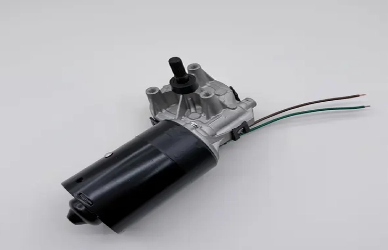
A Reduction Gear Motor is designed to deliver controlled speed and higher torque by combining an electric motor with a gearbox. In many applications—automation, vehicles, smart equipment, and industrial machinery—durability is not optional. The motor may run for long hours, start and stop repeatedly, carry fluctuating loads, or operate in dusty and wet environments. The good news is that a Reduction Gear Motor can be highly durable. The more realistic answer is that durability depends on how well the gear motor is designed, how accurately it is sized for the job, and how it is installed and maintained. This guide explains what “durable” really means for a gear motor and how to maximize service life.
Durability is best understood through measurable indicators rather than marketing language. Service life may be expressed in operating hours, while frequent start/stop applications are better measured in cycles. Duty rating (continuous, intermittent, or cyclic) determines how much time the motor can run under load before overheating becomes a risk. Another practical indicator is the thermal margin—how close the system runs to its temperature limit during normal operation. Finally, allowable radial and axial loads at the output shaft affect long-term bearing health. When these indicators align with the real application profile, a Reduction Gear Motor typically delivers stable performance for years.
Most durability problems are predictable. In the gearbox, gear tooth wear or pitting can occur when loads are too high, lubrication is incorrect, or contaminants enter the housing. Bearings can fatigue from misalignment, vibration, overload, or poor mounting. Lubrication breakdown is a frequent root cause: grease can dry out at high temperatures or become too viscous in cold conditions. Seal failure allows dust or water to enter, accelerating wear and corrosion. Electrical issues matter too—overcurrent, frequent stalls, or inadequate protection can create heat that damages insulation and indirectly shortens gearbox life by raising internal temperatures.
Gearbox type strongly influences durability under different load profiles. Spur gears are efficient and common; helical gears can reduce noise and distribute load more smoothly; worm gearboxes can provide compact high ratios but may generate more heat; planetary gearboxes offer high torque density and good load sharing. Material selection and treatment are critical—hardened steel gears resist wear better than softer metals, while precision machining reduces uneven contact that accelerates tooth damage. For durable performance, the best gearbox is not always the “strongest” on paper; it’s the one whose efficiency, heat behavior, and load capacity match the application.
A durable Reduction Gear Motor protects its internals. Seals and gaskets help keep grease in and contaminants out, while a robust housing maintains alignment under load and vibration. Thermal design also matters: if heat cannot escape, lubrication and bearings degrade faster. Higher efficiency gearing reduces waste heat, and a housing that dissipates heat effectively helps the motor operate within safe limits. In harsh environments, choosing appropriate ingress protection and corrosion-resistant materials can make the difference between long life and early failure.
Overload is the fastest way to shorten gear motor life. Torque spikes—caused by impacts, jams, sudden reversals, or stalled mechanisms—create high stress on gear teeth and bearings. Even if the motor “survives” these events, repeated spikes can cause microscopic damage that grows into pitting, cracks, or bearing noise. Shock loads are especially damaging because they often exceed nominal ratings by a wide margin. If your application involves impacts or sudden start/stop, durability depends on building in torque margin and using control strategies that reduce abrupt mechanical stress.
Correct sizing is more than matching a catalog torque number. You should consider continuous load torque, peak torque, duty cycle, ambient temperature, and whether the gearbox must hold position under load. A properly sized Reduction Gear Motor runs cooler, avoids frequent stalls, and keeps tooth contact stress within safe limits. Selection should also account for output shaft loads from belts, pulleys, or cantilevered forces—these can quietly destroy bearings if ignored.
Dust and water are common durability killers because they compromise lubrication. Fine particles can turn grease into an abrasive paste, while water can wash out lubrication or promote corrosion. For outdoor or washdown environments, sealing and housing quality become central selection criteria. If your device operates near chemicals, salt air, or humidity, corrosion-resistant finishes and proper sealing greatly improve long-term reliability.
Temperature changes affect both the motor and the gearbox. High temperatures reduce lubricant life and may raise winding temperatures; low temperatures increase lubricant viscosity, making the motor work harder during startup. Vibration and mounting rigidity also matter—loose mounts, misaligned couplings, or flexible brackets amplify stress on bearings and gears. In many “mystery failures,” the root cause is not the Reduction Gear Motor itself but the installation environment around it.
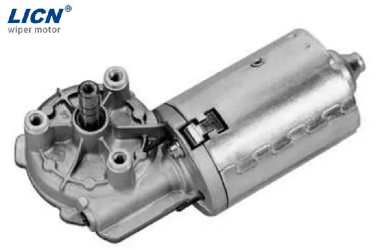
Lubrication is the single most controllable durability factor after correct sizing. Follow the supplier’s guidance for grease type, oil type (if applicable), and relubrication intervals. A practical routine includes listening for changes in noise, checking temperature rise, and monitoring vibration. Early detection can prevent catastrophic damage and help schedule replacement before downtime becomes costly.
Even a high-quality Reduction Gear Motor can fail early if installed poorly. Shaft alignment and coupling selection prevent side loads that destroy bearings. Mounting should be rigid enough to avoid resonance. On the electrical side, overcurrent protection, thermal protection, and proper wiring reduce overheating events. Smooth ramp-up control (rather than harsh starts) can significantly improve gearbox life in cyclic applications.
Before purchasing, ask what durability evidence supports the product: load testing, endurance cycles, temperature rise testing, and protection ratings. Request data on rated torque vs peak torque, duty rating assumptions, and recommended lubrication schedules. If you expect harsh conditions, ask about sealing design, corrosion protection, and operating temperature range. Durable gear motors are usually backed by clear documentation rather than vague claims.
Use the table below as a quick durability-focused selection guide for a Reduction Gear Motor:
Durability Factor | What to Confirm | Why It Matters |
Load profile | Continuous torque, peak torque, shock events | Prevents gear tooth stress and stall damage |
Duty cycle | Continuous vs intermittent, cycle frequency | Controls heat buildup and insulation life |
Shaft loads | Radial/axial forces from belts/pulleys | Protects bearings and maintains alignment |
Environment | Dust, water, chemicals, corrosion risk | Avoids contamination and lubrication failure |
Temperature | Ambient range, ventilation, heat dissipation | Extends lubricant life and reduces overheating |
Protection | Sealing approach / ingress resistance | Keeps contaminants out, reduces wear |
Maintenance plan | Lubrication interval and inspection method | Prevents gradual wear from becoming failure |
Not necessarily. Higher ratios can increase torque capability at the output, but they may also increase heat or stress depending on gearbox type and efficiency. Durability improves when the ratio matches the load and duty cycle, not simply when the ratio is larger.
Planetary gearboxes are often favored for high torque density and load sharing, while helical designs can offer smooth, low-noise operation. The “most durable” choice depends on duty cycle, shock loads, and thermal constraints.
Common signs include rising noise, increased vibration, higher operating temperature, slower speed under the same load, and inconsistent motion. Monitoring these trends can reveal wear early.
Outdoor exposure typically needs a higher level of sealing, and washdown environments usually require even more robust protection. The right choice depends on the degree of water jets, immersion risk, and contamination level in your specific installation.
So, is a Reduction Gear Motor durable? Yes—often highly durable—when it is properly designed, correctly sized for real loads, protected from harsh environments, and installed with solid alignment and reliable electrical safeguards. In practice, durability is not a single spec you “buy”; it’s the result of many connected decisions: selecting the right reduction ratio and gearbox type, leaving enough torque and thermal margin, choosing suitable sealing for dust or water exposure, and ensuring the housing and bearings can handle real shaft loads.
Just as important, long service life depends on how the motor is operated day to day. Avoiding frequent stalls, reducing shock loads with smoother starts/stops, and keeping operating temperatures under control can significantly slow wear on gears, bearings, and lubrication. With a realistic maintenance routine—especially lubricant checks, noise/vibration monitoring, and periodic inspection—small issues can be caught early before they turn into downtime. When torque margin, sealing, heat management, and upkeep are treated as first-class requirements, a Reduction Gear Motor can deliver consistent, stable performance for years, even in demanding industrial and outdoor applications.


