
Views: 0 Author: Site Editor Publish Time: 2026-03-16 Origin: Site


Have you ever noticed your wipers moving slower than usual or not returning to the home position? Your wiper motor could be the culprit.
In this article, we’ll show you how to test your wiper motor, diagnose any issues, and ensure it’s functioning properly. By following the steps outlined, you’ll know how to troubleshoot problems, from slow wipers to speed changes, before they escalate.
One of the most common signs that your wiper motor is beginning to fail is when the wipers operate more slowly than usual. This can be particularly noticeable during heavy rain when you need the wipers to work at full speed. Slow wiper operation is often caused by an insufficient electrical supply to the motor, which can be the result of a variety of issues. These may include electrical faults, worn gears, or clogging of the motor's internal components.
In many cases, dirt and debris build-up within the motor assembly or the wiper linkage can create friction, which slows down the motor and prevents smooth operation. Another possibility is that the motor itself is wearing out, leading to a decrease in power output. If the wiper motor struggles to power the blades at the normal speed, it is a clear indication that the motor may be starting to fail or that an obstruction is present.
Another common issue with wiper motors is the inability to change the speed settings of the wipers. Most modern vehicles have multiple speed settings, including slow, medium, fast, and intermittent. If the wipers no longer adjust speed or fail to respond to the speed control settings, it could indicate a malfunctioning wiper motor or an issue with the electrical components controlling the motor.
This issue could stem from a faulty wiper switch, a malfunctioning wiper control module, or wiring issues within the electrical circuit. It is essential to inspect the entire electrical system that controls the wiper motor to determine the root cause of the problem. If the wiper motor itself is faulty, it may not be able to process the signals from the control system and therefore cannot change its speed accordingly.
A common sign of a malfunctioning wiper motor occurs when the wipers fail to return to their resting position after being switched off. The return to the home position is controlled by a component known as the park switch. When this switch fails, the wipers may stop anywhere on the windshield instead of resting at the bottom. This issue may also be related to a worn-out or clogged park switch, or a faulty electrical circuit that prevents proper operation.
When this happens, it’s often a sign that the wiper motor is not receiving the correct signal to finish its operation cycle. The wiper system may also fail to complete the return motion due to faulty components in the circuit or mechanical issues within the wiper assembly.
Before you start testing your wiper motor, you need to locate the motor in your vehicle. In most cars, the wiper motor is located on the firewall, near the base of the windshield. It is usually housed in a compartment and connected to the wiper assembly via a set of linkages and drives. If you're not sure where the motor is, consult your car’s manual for the exact location.
Once you’ve located the motor, ensure that you have access to the connector and other parts you may need to inspect or test.
Once the wiper motor is exposed, the next step is to check whether it is receiving power. Disconnect the wiper motor connector, and use a multimeter to check the voltage at the connector. Set the multimeter to measure DC voltage, as most wiper motors typically operate at 12V.
● If the motor is receiving around 12V and still not working, the motor itself may be burnt out or have internal issues.
● If the voltage is significantly lower than 12V or if there is no voltage, the issue may be upstream, such as a blown fuse, faulty relay, or a wiring problem.
At this point, it is important to determine if the wiper motor is receiving power. If there is no power, you’ll need to troubleshoot the power supply circuit, including fuses, relays, and wiring.
If the wiper motor is receiving the correct voltage but still not working, there may be a mechanical issue causing the failure. Check the wiper motor and the wiper linkage for any mechanical obstructions such as dirt, debris, or corrosion. These factors can prevent the motor from functioning correctly and cause sluggish or inconsistent operation.
Another possibility is that the gears within the wiper motor assembly are worn or damaged. These gears are essential for driving the wiper blades, and if they are not functioning correctly, the wipers will not move as intended. Cleaning the components and replacing any worn gears should help restore proper motor operation.
If the wiper motor isn’t receiving power, a common cause is a blown fuse or faulty relay. Fuses act as safety devices, protecting electrical components from overload, while relays help control the flow of electricity to the motor. If either of these components fails, the motor won’t function. To troubleshoot, first check the relevant fuse in your vehicle’s fuse box. If it appears blown, replace it with a new one.
Next, test the relay using a multimeter to determine whether it’s providing the necessary power to the motor. If the relay is faulty, replacing it will restore proper functionality to the wiper motor.
Wiring problems are also a common cause of wiper motor failure. Over time, wires can become frayed, corroded, or damaged. Check all wires connected to the wiper motor to ensure they are intact and securely connected. Look for signs of wear or corrosion at the connectors. Loose, corroded, or damaged connectors can disrupt the power supply to the motor, preventing it from working properly.
If any wires are damaged or corroded, replace them or clean the connectors to restore proper electrical conductivity.
If all the wiring and fuses are in good condition, the issue might be with the wiper switch itself. The wiper switch controls the speed and operation of the wipers. If the switch is malfunctioning, it may not send the correct signal to the wiper motor. To test the switch, use a multimeter to measure continuity and ensure that the switch is functioning as expected. If the switch is faulty, replacing it will restore the normal operation of the wiper motor.
To test your wiper motor, you’ll need a multimeter set to measure DC voltage. The typical wiper motor operates on 12V DC, so make sure your multimeter is properly set to measure voltage within this range.
Place the multimeter probes on the positive and negative terminals of the wiper motor connector. If the motor is receiving 12V and still not running, the issue likely lies within the motor itself, such as internal wiring or burnt-out components. If the motor isn’t receiving the correct voltage, there may be an issue upstream with the electrical system, such as a blown fuse, faulty relay, or damaged wiring.
If the wiper motor is receiving voltage but not functioning, test the motor windings for continuity. A lack of continuity indicates that the motor’s internal components are damaged, and the motor will likely need to be replaced.
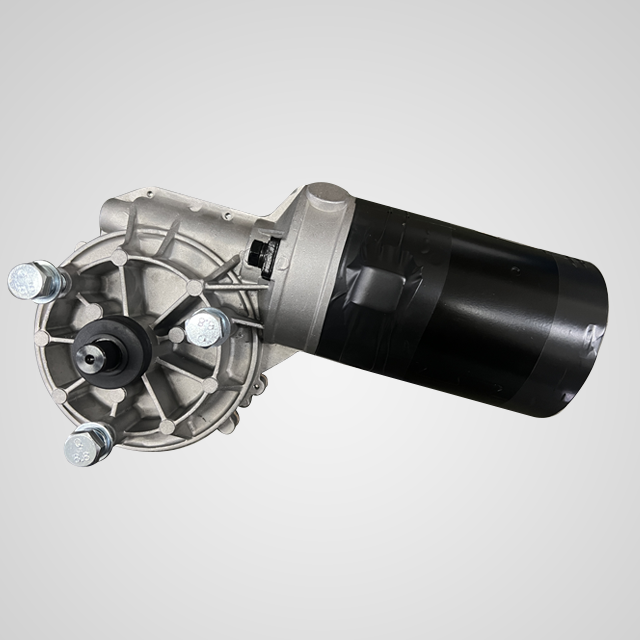
Electrical problems such as broken wires, faulty relays, or blown fuses are common causes of wiper motor failures. These issues can disrupt the power supply to the motor, preventing it from working.
Over time, dirt, dust, and moisture can accumulate in the wiper motor assembly. This can lead to slow operation or even complete motor failure. Regular cleaning and lubrication of the motor components can help prevent this problem.
Mechanical components within the wiper motor, such as gears or bearings, can wear out with prolonged use. When this happens, the motor may struggle to operate, or it may stop working entirely. Worn parts can often be replaced to extend the motor's life.
Testing your wiper motor is crucial for maintaining proper function, especially in bad weather. Understanding how to test and troubleshoot can quickly address issues like slow wipers or faulty speed changes.
If replacement is needed, LICN’s Wiper Motor offers durability, quiet operation, and reliable performance in all conditions, ensuring clear visibility and safety. Regular maintenance extends motor lifespan, keeping your vehicle safe and your wipers working perfectly.
A: A wiper motor is an electric motor that powers the windshield wipers, ensuring clear visibility during rain, snow, or other adverse weather conditions.
A: To test a wiper motor, check the power supply with a multimeter, inspect for mechanical obstructions, and test the motor's voltage. If it receives 12V but doesn’t work, it may be faulty.
A: This could be due to a faulty wiper motor, switch, or control module. Check the electrical connections and ensure the wiper switch is functioning properly.
A: Yes, accumulated dirt, debris, or moisture inside the wiper motor can cause it to slow down or stop working. Regular cleaning can help prevent this.
A: Slow wiper movement, inability to change speeds, or wipers not returning to their resting position are signs of a failing wiper motor.


