
Views: 0 Author: Site Editor Publish Time: 2026-03-16 Origin: Site


What if you could reduce energy costs without sacrificing performance? The reduction gear motor makes this possible. By combining an electric motor with a gearbox, it achieves impressive torque while consuming less energy.
In this article, we’ll dive into how reduction gear motors work, their energy-saving benefits, and why they're becoming a game-changer for industries aiming to cut costs while boosting efficiency.
A reduction gear motor is a versatile and efficient power transmission solution that integrates an electric motor and a gearbox. The motor converts electrical energy into mechanical energy through rotational motion, while the gearbox reduces the output speed and increases the torque. This combination enables the motor to drive heavy loads at lower speeds, reducing energy consumption.
● Electric Motor: The core of the motor, converting electrical energy into mechanical power, is typically an AC or DC motor, depending on the application.
● Gearbox: The gearbox is the heart of the speed reduction process. It consists of a series of gears that modify the motor's speed and multiply the torque, allowing for better load handling at lower speeds.
● Output Shaft: This component transfers the mechanical power generated by the motor to the application, such as a conveyor belt, a robotic arm, or an industrial machine.
The interaction between the motor and the gearbox ensures that the system operates at an optimal speed while delivering higher torque, making it ideal for precision-dependent tasks that require controlled movements.
The gear ratio is a critical factor that influences the energy efficiency of the reduction gear motor. It defines the relationship between the input speed (from the motor) and the output speed (delivered by the motor to the application). A higher gear ratio reduces the output speed while increasing the torque, which is ideal for heavy-duty applications. Conversely, a lower gear ratio results in higher speeds and lower torque.
Here is a simple overview of how the gear ratio affects the motor’s performance:
● High Gear Ratio: This results in a slower output speed but significantly higher torque, which is necessary for applications that require precision, like robotics or manufacturing.
● Low Gear Ratio: This configuration produces a faster output speed but lower torque, suitable for tasks that need quick movements but minimal force.
For energy efficiency, the right gear ratio ensures that the motor works within its optimal range, minimizing energy consumption while meeting the torque requirements of the application.
One of the most notable advantages of reduction gear motors is their ability to operate efficiently at lower speeds. Unlike traditional high-speed motors that often waste energy by operating at high RPMs, reduction gear motors work at reduced speeds but with increased torque. This is achieved by amplifying the torque through the gearbox while slowing down the motor’s output speed. The result is a motor that uses less power to accomplish the same task.
Additionally, reduction gear motors generate less heat compared to high-speed motors. The excess heat produced by high-speed motors results in energy losses and higher energy consumption. With the slower speed of the reduction gear motor, there is less heat generation, which further improves its energy efficiency.
One of the key features of reduction gear motors is their ability to operate at lower speeds while still providing sufficient torque. Traditional high-speed motors require a lot of energy to maintain the necessary speed and power, often resulting in wasted energy. Reduction gear motors, on the other hand, are designed to operate efficiently at lower speeds, significantly reducing the energy required to complete tasks.
For example, in LICN’s Reduction Gear Motor, which is used in manufacturing assembly lines and logistics conveyor systems, the motor operates at a lower speed but provides high torque output. This ability to achieve the same or higher performance at lower speeds leads to substantial energy savings.
In addition to operating at lower speeds, reduction gear motors can increase torque without requiring additional energy. The gear ratio in the gearbox amplifies the motor’s torque, allowing it to handle heavier loads at reduced speeds. This feature makes reduction gear motors ideal for tasks that require high torque but don’t need high speeds, such as industrial machinery, robotics, and automated systems.
The increased torque capability also helps reduce power loss. Traditional motors may need to work harder and use more energy to handle heavy loads, whereas reduction gear motors can achieve the same results with less effort, leading to a more efficient energy consumption profile.
Another benefit of reduction gear motors is the reduced heat generation. High-speed motors typically generate a significant amount of heat, which leads to energy losses and reduced motor efficiency. Reduction gear motors, operating at slower speeds, generate far less heat. This reduction in heat generation is crucial for maintaining energy efficiency, as excess heat not only wastes energy but can also damage the motor over time.
The energy efficiency of a reduction gear motor depends heavily on the type of gearbox used. There are several types of gearboxes, each with its characteristics:
● Spur Gear: Simple design and cost-effective but less efficient for high-torque applications.
● Planetary Gear: High efficiency, low noise, and compact, making it ideal for high-performance applications.
● Worm Gear: Offers high torque reduction but is less efficient due to sliding friction.
Selecting the right gearbox type ensures that the motor operates at optimal efficiency. For applications requiring high torque at low speeds, planetary gears are often the best choice due to their high efficiency and low noise, making them ideal for industrial applications.
When selecting a gearbox, consider the specific torque and speed requirements of your application to choose the most efficient gearbox type.
The energy savings of reduction gear motors also depend on the load and duty cycle of the application. Gear motors are most efficient under heavy loads, as the motor and gearbox work together to provide the necessary torque at lower speeds. In industrial applications like conveyor systems or automated machinery, reduction gear motors operate efficiently even with high duty cycles and frequent start-stop operations.
While reduction gear motors may have a higher initial cost compared to traditional motors, their long-term energy savings and durability make them a wise investment. The energy savings alone can justify the upfront cost, as these motors reduce operational costs over time by consuming less energy and requiring less maintenance.
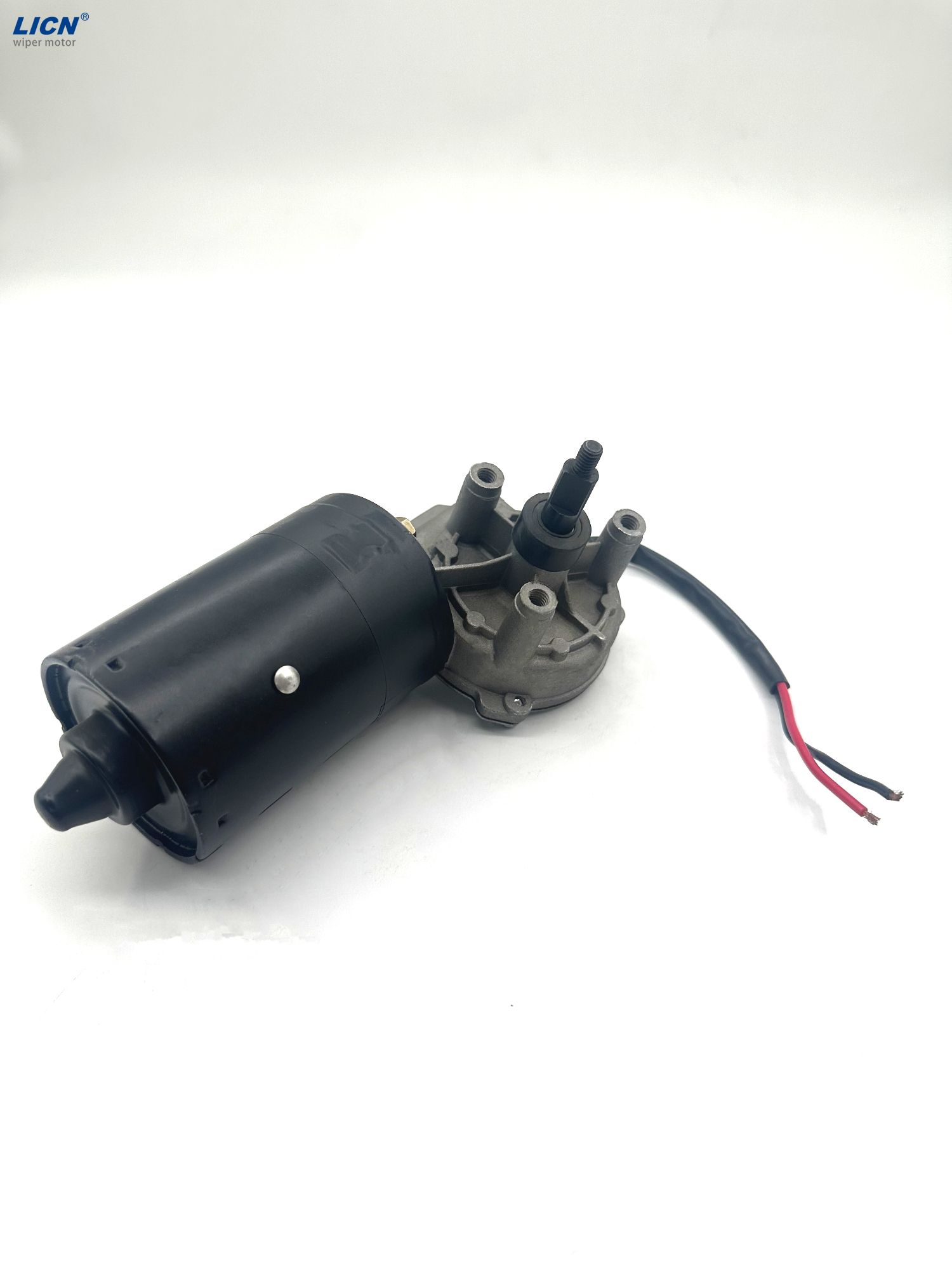
Traditional direct-drive motors typically operate at high speeds and consume a significant amount of energy to achieve the necessary torque. In contrast, reduction gear motors are designed to operate at slower speeds, reducing energy consumption while providing the same or even higher torque. This makes reduction gear motors far more energy-efficient than direct-drive motors, particularly in applications requiring precise speed control and high torque.
Example: In LICN’s industrial applications, such as automated production machinery, reduction gear motors use less energy to deliver the required torque, reducing operational costs compared to direct-drive motors that run at higher speeds.
Although direct-drive motors may seem less expensive initially, reduction gear motors provide significant long-term savings. By operating at reduced speeds, these motors reduce energy consumption, which leads to lower utility bills and a higher return on investment (ROI) over time.
Example: Over the lifespan of a machine or assembly line, switching to a LICN reduction gear motor can reduce electricity costs significantly, contributing to a higher ROI due to energy savings and lower maintenance costs.
Reduction gear motors play a crucial role in robotics and automation, where precise control is essential. By delivering high torque at low speeds, they enable robots to perform tasks that require both strength and accuracy without consuming excessive amounts of energy. This is particularly useful in industries such as automotive manufacturing, electronics assembly, and pharmaceuticals, where precision is critical.
Example: In LICN’s robotics systems, gear reduction motors are used to control the movement of robotic arms with high precision, while minimizing energy consumption during repetitive tasks.
In household appliances like washing machines, food processors, and electric curtains, reduction gear motors provide the necessary power to perform tasks efficiently while consuming less energy. For instance, in a washing machine, the motor must rotate the drum at varying speeds while maintaining sufficient torque to handle heavy loads. Reduction gear motors allow the machine to perform these tasks with lower energy consumption.
Example: LICN’s reduction gear motors are optimized for energy efficiency in household appliances, ensuring that devices like washing machines operate smoothly without drawing excess power.
In large-scale industrial applications, gear reduction motors are essential for energy-efficient operation. They are commonly used in conveyor systems, packaging machines, and CNC machines, where high torque and precise control are needed for continuous operation. These motors help minimize energy use while ensuring the machinery operates smoothly, even under heavy loads.
Example: In LICN’s manufacturing solutions, such as conveyor belts and packaging systems, reduction gear motors reduce the energy consumption of the equipment without compromising on performance or reliability.
In summary, reduction gear motors are energy-saving solutions due to their ability to operate at lower speeds while providing high torque. This reduces energy consumption, minimizes heat generation, and improves efficiency. By integrating these motors into machinery, industries can lower energy costs and improve sustainability. Ruian Liancheng Auto Power CO., Ltd. offers highly reliable reduction gear motors that meet industry standards and provide tailored solutions, ensuring optimal performance with minimal energy use. Consider switching to reduction gear motors for long-term savings and better performance.
A: A reduction gear motor combines an electric motor and a gearbox to reduce speed and increase torque. This allows it to perform heavy-duty tasks efficiently while consuming less energy.
A: A reduction gear motor operates at lower speeds while maintaining high torque. By reducing energy losses and heat generation, it consumes less power compared to high-speed motors, offering energy savings in various applications.
A: The reduction gear motor provides high torque at low speeds, improving energy efficiency. It also reduces operational costs and enhances performance in heavy-duty tasks like conveyor systems and automated machinery.
A: Yes, a reduction gear motor is ideal for household appliances like washing machines and food processors. It helps save energy while ensuring smooth operation, especially in tasks that require torque at low speeds.
A: A reduction gear motor offers greater energy efficiency, lower power consumption, and better performance in applications requiring high torque. It reduces operational costs and improves long-term sustainability.


