
Views: 0 Author: Site Editor Publish Time: 2026-09-21 Origin: Site


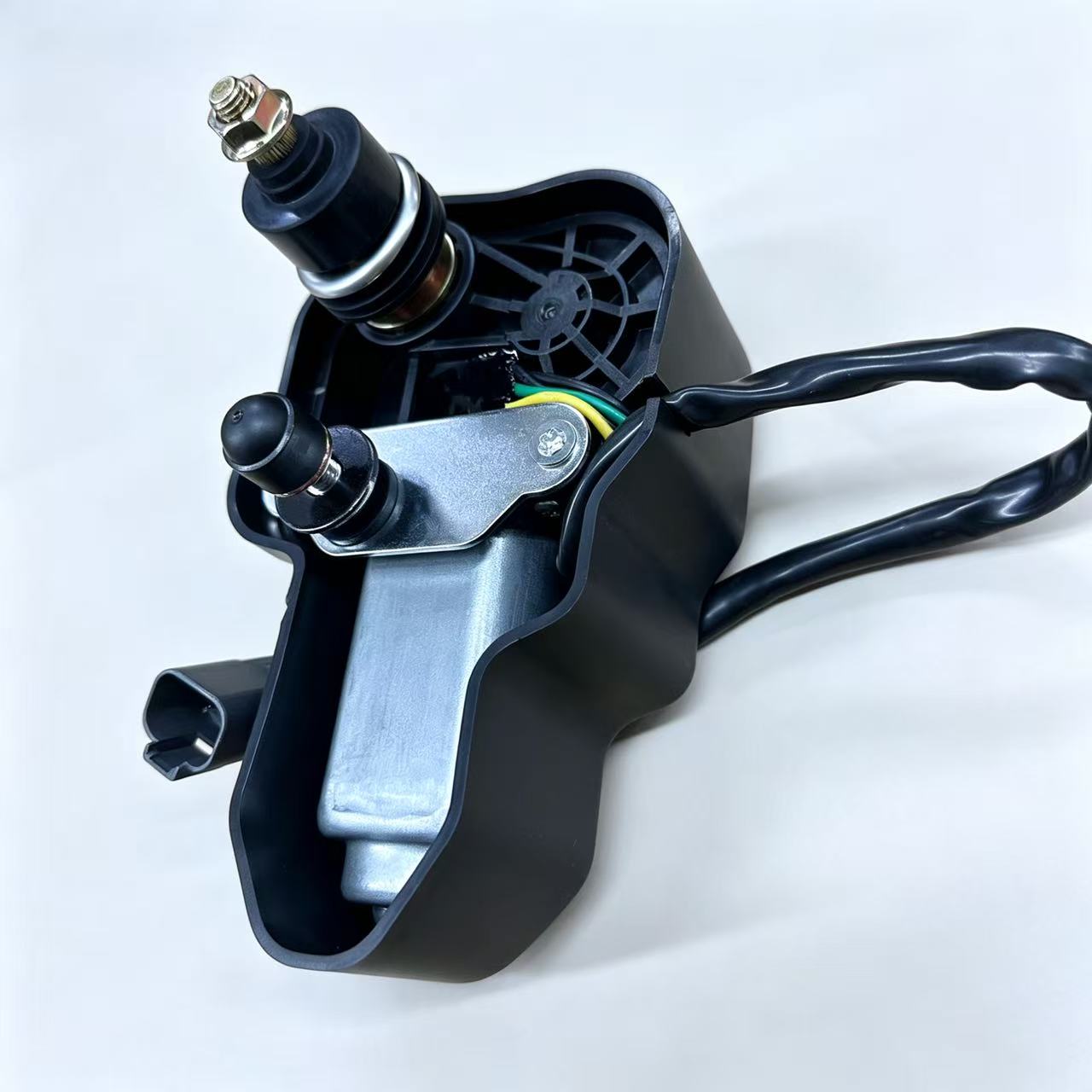
Cabin visibility directly dictates operational safety and throughput in material handling environments. When operators cannot clearly see their surroundings due to rain, snow, or airborne debris, the entire logistical chain slows down. The hidden costs of wiper system failure extend far beyond the price of a replacement part. Unexpected machine downtime disrupts scheduling and creates bottlenecks in loading docks. Compromised operator sightlines drastically increase the probability of pedestrian collisions and product damage. Furthermore, operating enclosed-cab industrial trucks without functioning visibility equipment introduces severe regulatory non-compliance risks.
Selecting the correct replacement requires moving beyond generic automotive components. Industrial environments destroy standard parts. Fleet managers and maintenance technicians must evaluate industrial-grade specifications, electrical compatibility, internal build quality, and environmental durability to ensure continuous operation. A proper technical evaluation prevents recurring maintenance failures and protects fleet availability.
Voltage Matching is Non-Negotiable: Identifying whether the electrical system requires a 12V or 24V wiper motor is the baseline for preventing immediate electrical failure.
Torque Dictates Performance: Industrial wiper blades are heavier and longer; motors must be rated with sufficient stall torque to clear snow, ice, and heavy debris without burning out.
The Wiper Ecosystem Matters: A motor is only as effective as its compatibility with the existing wiper arms, blade adapters, and cabin window geometry.
Environment Determines Build Quality: Standard warehouse operations require different ingress protection (IP) ratings and internal gear materials compared to outdoor lumber yards or ports.
Sourcing Strategy Impacts Operational Costs: Choosing between an OEM replacement wiper motor and a specialized aftermarket unit involves weighing upfront costs against lifespan, warranty, and fleet standardization.
Defining success for a wiper system deployment requires establishing clear operational baselines. A successful installation results in zero visibility-related safety incidents. The motor must operate reliably until its scheduled maintenance interval without requiring emergency interventions. Achieving zero premature burnouts indicates that the motor's torque rating and electrical specifications perfectly match the physical demands of the cabin glass and the environmental conditions.
The operational risks of motor failure cascade rapidly through a facility. When a motor fails mid-shift, operators face immediate visibility loss. This forces them to strain their eyes, leading to rapid operator fatigue. To compensate for poor visibility, operators naturally reduce their handling speeds, which immediately degrades facility throughput. In high-traffic areas, the inability to see through a rain-slicked or dust-covered windshield spikes the risk of collisions with infrastructure, racking systems, or personnel.
Regulatory bodies enforce strict visibility standards for industrial vehicles. OSHA guidelines mandate that all powered industrial trucks must be maintained in safe operating condition. For forklifts equipped with enclosed cabs, functioning windshield wipers are mandatory safety equipment. ISO standards regarding operator visibility further dictate that sightlines must remain unobstructed during operation. Failing to maintain these systems exposes operations to significant liability in the event of an accident.
Zero visibility-related safety incidents during adverse weather conditions.
Consistent operation without thermal overload during 12-hour shifts.
Full compliance with OSHA 1910.178 maintenance requirements.
Standardized replacement intervals across the entire vehicle fleet.
Verifying the auxiliary circuit voltage of the forklift is the absolute first step in the selection process. Industrial equipment utilizes varying electrical architectures. Connecting a 12V motor to a 24V circuit forces excessive current through the windings, causing immediate overheating and catastrophic electrical failure. Conversely, under-volting a 24V wiper motor by connecting it to a 12V system deprives the unit of necessary power. The motor will lack the torque required to move the blade and will stall under load.
Technicians must consult the machine's electrical schematic or test the specific wiper circuit with a multimeter before ordering parts. Relying solely on the main battery voltage can be misleading. Many high-voltage electric forklifts use step-down converters to supply 12V or 24V to auxiliary cabin accessories. Always probe the connector at the motor harness while the switch is activated to confirm the true operating voltage.
Industrial wiper blades are significantly heavier and longer than standard automotive blades. Calculating the required torque involves analyzing the wiper arm length, the blade size, and the friction coefficient of the rubber against the glass. A robust forklift wiper motor utilizes specialized internal gearing to multiply rotational force. This mechanical advantage provides the stall torque necessary to push heavy, wet snow or clear thick mud without burning out the internal windings.
If the motor lacks sufficient torque, the blade will drag, stutter, or stop entirely during heavy precipitation. Upgrading to a longer wiper blade to increase the cleared viewing area automatically requires a proportional increase in motor torque capacity to handle the added leverage and friction. You cannot simply bolt a 24-inch blade onto a motor designed for a 16-inch blade and expect it to survive the winter.
The sweep angle determines the exact arc the wiper blade travels across the glass. Common angles include 85°, 90°, and 110°. Selecting the correct angle correlates directly to the specific geometry of the forklift's windshield. An angle that is too wide forces the blade to strike the cabin frame, causing severe mechanical binding and rapid motor failure. An angle that is too narrow leaves massive blind spots in the operator's field of view.
The self-parking feature ensures the blade returns to a designated resting position when turned off. Systems utilize either coast-to-park or dynamic braking mechanics. Dynamic braking instantly shorts the motor windings when the switch is deactivated, stopping the blade precisely at the edge of the glass. This prevents the blade from drifting into the operator's primary sightline and obstructing forward visibility.
The motor functions strictly as part of a three-piece ecosystem consisting of the motor, the arm, and the blade adapter. Measuring the motor's output shaft diameter and spline count is mandatory. The splines on the motor shaft must interlock perfectly with the grooves inside the wiper arm base.
Mismatched splines cause the arm to slip under load. When the shaft spins inside a slipping arm, it instantly strips the metal grooves, destroying both components. Technicians must use digital calipers to measure the shaft diameter and manually count the splines to ensure the existing wiper arms will seat correctly and transfer torque efficiently.
Shaft Diameter (mm) | Common Spline Count | Typical Application |
|---|---|---|
12mm | 54 Splines | Light-duty warehouse forklifts, indoor sweepers. |
16mm | 72 Splines | Standard outdoor forklifts, reach stackers. |
20mm (Tapered) | Knurled / Custom | Heavy-duty port equipment, large wheel loaders. |

Indoor and outdoor transition environments present moderate challenges. Forklifts operating in cross-docking applications face intermittent exposure to light rain, condensation, and temperature fluctuations. In these scenarios, standard ingress protection ratings, such as IP54, provide adequate defense against splashing water and ambient dust. The primary focus for these applications remains consistent reliability and smooth operation during brief weather exposures. You do not need marine-grade hardware for a machine that rarely leaves the loading dock.
Outdoor operations in lumber yards, brickyards, and active construction sites subject equipment to extreme abuse. Airborne abrasive dust, heavy mud, and continuous exposure to severe weather demand upgraded components. Equipment in these yards also undergoes frequent high-pressure washing to remove accumulated debris.
These environments require a true heavy-duty wiper motor featuring IP65 or IP67 ratings. High IP ratings guarantee that the internal housing is completely sealed against fine dust ingress and can withstand direct jets of water. Without this level of sealing, abrasive particles mix with internal gear grease, creating a grinding paste that rapidly destroys the motor from the inside out.
Port operations represent the most punishing environment for material handling equipment. Machines operate continuously in high winds, driving rain, and highly corrosive saltwater atmospheres. The extreme demands of port logistics require specialized engineering to prevent rapid equipment degradation.
Deploying a purpose-built container handler wiper motor is essential for these massive machines. These units feature marine-grade epoxy coatings, solid stainless steel output shafts, and reinforced mounting brackets. Standard zinc-plated hardware rusts and fails within months in a salt-spray environment. Specialized marine-grade components ensure the wiper system survives the corrosive atmosphere and maintains the massive sightlines required for stacking shipping containers.
The internal worm gear mechanism serves as the heart of the wiper system. It converts the high-speed rotary motion of the electric motor into the high-torque oscillating motion of the wiper shaft. The durability of this mechanism dictates the lifespan of the entire unit. Premium motors utilize hardened metal internal gears and high-density copper windings. These materials absorb the shock loads generated when a wiper blade hits a patch of ice or heavy mud.
Light-duty motors often rely on nylon or plastic internal gears to reduce manufacturing costs. While suitable for passenger cars, plastic gears shear instantly under the heavy torque loads required for industrial cabin glass. High-density copper windings also dissipate heat more effectively, preventing the motor from burning out during continuous operation.
Single-speed units offer straightforward wiring and mechanical simplicity. They operate at a fixed oscillation rate, which works well for environments with predictable, moderate precipitation. However, variable weather conditions demand flexibility. Heavy downpours overwhelm single-speed systems, while light drizzle causes the blade to drag and squeak on dry glass.
Integrating a dual-speed wiper motor provides operators with the control necessary to match the sweep rate to the precipitation level. Upgrading from a single to a dual-speed configuration requires careful electrical planning. Technicians must verify that the cabin switch, relay system, and wiring harness feature the necessary pinouts to support independent high and low-speed circuits.
Industrial operations frequently require equipment to run for 8-to-12-hour shifts. If a wiper system runs continuously for hours, internal heat builds up rapidly. Premium motors feature internal thermal breakers. If a blade freezes to the glass overnight and the operator activates the switch, the stalled motor will immediately draw massive current. The thermal breaker detects this heat spike and cuts power before the copper windings melt, saving the motor from permanent destruction.
Duty cycle ratings define how long a motor can operate under load before requiring a cooldown period. Industrial-grade units boast continuous duty cycle ratings. This ensures they maintain maximum torque and speed throughout an entire shift of heavy rain without suffering thermal degradation.
Modern forklifts operate as rolling data centers. They rely on complex onboard telematics, RFID scanners, wireless inventory systems, and CAN bus communication networks. Electric motors generate electromagnetic fields during operation. Without proper shielding, the electrical noise from a wiper motor can interfere with these sensitive digital systems.
EMI suppression involves integrating internal capacitors and shielded housings to contain electrical noise. This ensures that activating the windshield wipers does not cause the forklift's digital dashboard to glitch, disrupt warehouse management system connectivity, or trigger false error codes on the CAN bus network.
Procurement decisions must evaluate the long-term value of the component rather than just the initial purchase price. A budget-tier motor might save money upfront, but its frequent failure rate drastically increases long-term operational costs. Every time a motor fails, the facility absorbs the cost of the replacement part, the mechanic's labor hours, and the lost revenue from machine downtime. Investing in a highly durable unit extends the maintenance interval and maximizes fleet availability.
Standardizing replacement parts across a large fleet streamlines inventory management and accelerates repair times. Vetting a potential supplier requires analyzing their engineering standards. Look for ISO certifications that guarantee consistent manufacturing quality. Request documentation on their testing protocols, specifically salt spray corrosion testing and continuous cycle testing under load.
Partnering with a dedicated wiper motor manufacturer ensures access to direct engineering support. A specialized manufacturer can provide detailed technical specifications, custom spline configurations, and guidance on upgrading older fleet vehicles to modern visibility standards.
Deciding between OEM and aftermarket solutions requires analyzing the specific failure mode of the current equipment. Sticking with an exact OEM replacement wiper motor guarantees perfect physical fitment and maintains strict warranty compliance for newer machines. It eliminates the need to modify wiring harnesses or drill new mounting holes.
If a specific OEM motor suffers from chronic, repeated failures in your specific operating environment, replacing it with the exact same part yields the same failed result. In these cases, sourcing a specialized aftermarket upgrade solves the root cause of the failure. Always cross-reference the exact forklift make, model, and year to ensure the upgraded motor aligns with the existing bulkhead mounting points.
Electrical integration presents the highest risk during installation. Many OEM systems utilize proprietary plastic connector plugs. When installing an aftermarket or upgraded motor, technicians frequently encounter connector mismatches. Cutting the proprietary plug and hardwiring the unit requires a precise understanding of the circuit pinouts.
Standard industrial wiper motors utilize 4-pin or 5-pin layouts. These typically designate separate terminals for High Speed, Low Speed, Park Circuit, Ground, and Ignition Power. Crossing the park circuit wire with the ground wire will instantly short the system and blow the auxiliary fuse. Technicians must use a multimeter to map the forklift's harness before splicing any connections.
Pin Function | Standard Wire Color Code (Varies by OEM) | Electrical Behavior |
|---|---|---|
Ground (-) | Black / Brown | Must be secured to a clean chassis point. |
Low Speed (+) | Green / Blue | Receives 12V/24V when switch is in position 1. |
High Speed (+) | Red / Yellow | Receives 12V/24V when switch is in position 2. |
Park Circuit | White / Grey | Maintains continuous power until the internal cam breaks the circuit at the park position. |
Physical retrofits require careful measurement of the cabin bulkhead. The thickness of the cabin wall dictates the required length of the motor's threaded mounting shaft. If the shaft is too short, the retaining nut cannot engage the threads. If it is too long, the wiper arm sits too far from the glass, reducing blade pressure and clearing efficiency.
Linkage clearance inside the cabin is equally critical. The rotating internal linkage must have unobstructed space to complete its full 360-degree rotation. If the linkage strikes a structural pillar or a wiring bundle inside the dashboard, it will bind the motor and cause immediate mechanical failure.
Most premature motor failures result from installation errors rather than manufacturing defects. Following a strict installation checklist prevents these issues. First, ensure the mechanical linkage moves freely by hand before attaching the motor. Second, verify the sweep angle does not force the blade to strike the rubber window seal or the metal cabin frame. Finally, never test a newly installed wiper motor on dry glass. Dry rubber creates massive friction, which can instantly overload the internal gears. Always spray the windshield with glass cleaner or water before initiating the first test sweep.
Audit your fleet's current wiper systems to identify units with recurring mechanical binding or electrical failures.
Measure the bulkhead thickness and shaft spline count on your existing machines before ordering replacement parts.
Test the auxiliary circuit voltage with a multimeter to confirm whether you need a 12V or 24V setup.
Upgrade to marine-grade or high-IP rated motors for any equipment operating outdoors in corrosive or high-dust environments.
A: You must verify the voltage of the specific auxiliary circuit powering the cabin accessories. Check the machine's electrical schematic in the service manual, test the wiper circuit directly with a digital multimeter, or read the data plate stamped on the housing of the existing motor.
A: Premium motors utilize hardened metal internal gears, high-density copper windings, and integrated thermal breakers. Budget motors often use plastic or nylon internal gears that shear easily under heavy loads. Premium units also feature higher IP ratings to seal out dust and moisture.
A: Yes, but it requires electrical modifications. You must verify that your cabin switch has multiple positions and that your wiring harness contains the necessary independent circuits to supply power to both the high-speed and low-speed pins on the new motor.
A: Premature burnout usually results from mechanical binding or electrical overload. Common causes include a sweep angle that forces the blade into the window frame, operating the wipers on dry glass, or using a motor with insufficient torque to push heavy industrial blades.
A: The sweep angle defines the exact arc the blade travels across the windshield. Matching the correct angle to your specific glass geometry ensures maximum clearing area, eliminating dangerous blind spots without striking the cabin pillars.
A: Use digital calipers to measure the exact diameter of the output shaft. Additionally, you must manually count the number of splines on the shaft. Both the diameter and spline count must perfectly match your existing wiper arm to prevent slipping.


