
Views: 0 Author: Site Editor Publish Time: 2026-03-26 Origin: Site


Can your wiper motor still function efficiently when temperatures drop below freezing? As winter sets in, this is a critical question for vehicle owners.
In this article, we will explore how wiper motors perform in cold weather, the challenges they face, and the features that help them operate in freezing temperatures. You will also learn practical tips for protecting and testing your wiper motor in low temperatures.
One of the first and most common impacts of cold weather on wiper motors is the increase in the viscosity of lubricants inside the motor. When temperatures drop, the lubricants used in the motor’s gearbox thicken, leading to increased friction between the motor’s moving parts. This added friction forces the motor to work harder to move the wiper blades, resulting in reduced efficiency. As a result, the wiper blades may move more slowly than usual or may fail to operate entirely.
In such situations, the wiper motor struggles to overcome the resistance caused by the thickened lubricants. As the motor works harder, there is an increased likelihood of overheating, which can cause the motor to burn out if it is not properly designed to handle these extreme conditions. Motors that are not built for cold weather often fail to operate at full capacity or experience significant wear in harsh temperatures.
The LICN Wiper Motor is specifically designed to overcome these challenges with high-performance lubricants that do not thicken in cold weather. These lubricants allow the motor to maintain smooth operation even in sub-zero temperatures, preventing sluggish operation and ensuring that the wiper blades continue to work efficiently despite the cold.
Another challenge faced by wiper motors in low temperatures is the freezing of the wiper blades. When ice or snow builds up on the windshield or the wiper blades themselves, the motor faces additional strain as it tries to move the wiper blades across a frozen surface. The added load on the motor can cause it to burn out if it is not designed to handle the extra resistance. The LICN Wiper Motor is engineered with higher torque reserves to compensate for the added load caused by frozen blades. This design ensures the motor continues to function effectively even when the wiper blades are encased in ice or snow.
This ability to overcome the additional strain from frozen blades makes the LICN Wiper Motor an ideal solution for vehicles in regions that experience extreme winter conditions. When the motor is subjected to additional load, such as when ice accumulates on the blades, the motor can still operate without the risk of overheating or failure.
Cold temperatures can also affect the electrical components of the wiper motor, including the wiring, connectors, and switches. In cold conditions, the metal components contract, which can lead to poor connections and unreliable performance. If the connections between the components are compromised, the wiper motor may not receive the necessary power to operate correctly.
In extreme cold, this can lead to inconsistent motor performance, as the current flowing through the electrical components may fluctuate, causing the wipers to operate at erratic speeds or even fail to move. However, LICN’s Wiper Motor is built with weather-resistant materials and high-quality seals that protect the motor's internal electrical components from freezing and moisture. The robust design ensures that the wiper motor receives a stable power supply, even in the harshest cold weather.
A crucial feature of any wiper motor designed for cold weather is the use of high-quality lubricants that can maintain their performance in sub-zero temperatures. These lubricants prevent the moving parts inside the motor from freezing, allowing the motor to continue operating without excessive friction. Poor-quality lubricants can cause the motor to struggle, and eventually fail, in cold conditions due to the increased resistance.
LICN’s Wiper Motor uses specially formulated lubricants that are designed to remain effective even in freezing weather. This ensures that the internal components of the motor remain well-lubricated, reducing friction and allowing the motor to function smoothly, even at low temperatures.
Cold temperatures also bring moisture and ice, which can cause rust and corrosion on unprotected motor parts. LICN’s Wiper Motor features sealed bearings and durable components that are resistant to corrosion and moisture. These sealed bearings prevent water from entering the motor, which can cause electrical malfunctions and rust formation. By ensuring that moisture does not compromise the motor’s internal components, LICN’s Wiper Motor can maintain reliable performance in wet and snowy conditions.
For a wiper motor to function properly in cold temperatures, its housing and internal components must be constructed from materials that can withstand freezing conditions without cracking or breaking. LICN’s Wiper Motor is built with high-strength materials that can endure temperatures as low as -40°C. The motor’s robust construction ensures that it continues to perform reliably, even in the harshest winter conditions.
This durability is essential for maintaining consistent motor performance, especially when the motor is subjected to constant strain from snow, ice, and freezing rain. With LICN’s Wiper Motor, you can be confident that the motor will not fail, even under extreme winter conditions.
Using anti-freeze windshield washer fluid is one of the most effective ways to protect your wiper motor from freezing in cold temperatures. Anti-freeze fluid prevents the washer system from freezing and helps the wiper motor operate smoothly, even in sub-zero conditions. It also helps clear snow and ice from the windshield, reducing the load on the motor and improving overall performance.
Regular cleaning and maintenance of the wiper motor and its components are essential to ensure optimal performance in cold weather. Snow, ice, and dirt can accumulate in the wiper motor and its linkage, which can cause the motor to freeze or become damaged. Keeping the wiper blades and motor components clean and free of ice will reduce the strain on the motor, ensuring that it operates efficiently.
Parking your vehicle in a sheltered area or using a windshield cover during extreme cold weather is another way to protect your wiper motor from freezing. Parking in a covered space helps reduce the chances of ice building up on the wiper blades and motor, preventing wear and tear and ensuring that the motor continues to function properly.
During freezing temperatures, ice can accumulate on the wiper blades, causing excessive strain on the wiper motor. This added load can lead to motor failure if not addressed. Regularly removing ice and snow from the blades will reduce the strain on the motor, ensuring smooth operation.
If the wiper motor is not designed for cold temperatures, it may freeze or seize up. This can prevent the motor from operating and cause it to fail. However, LICN’s Wiper Motor is designed with sealed components to prevent freezing and seizing, ensuring reliable performance even in the coldest conditions.
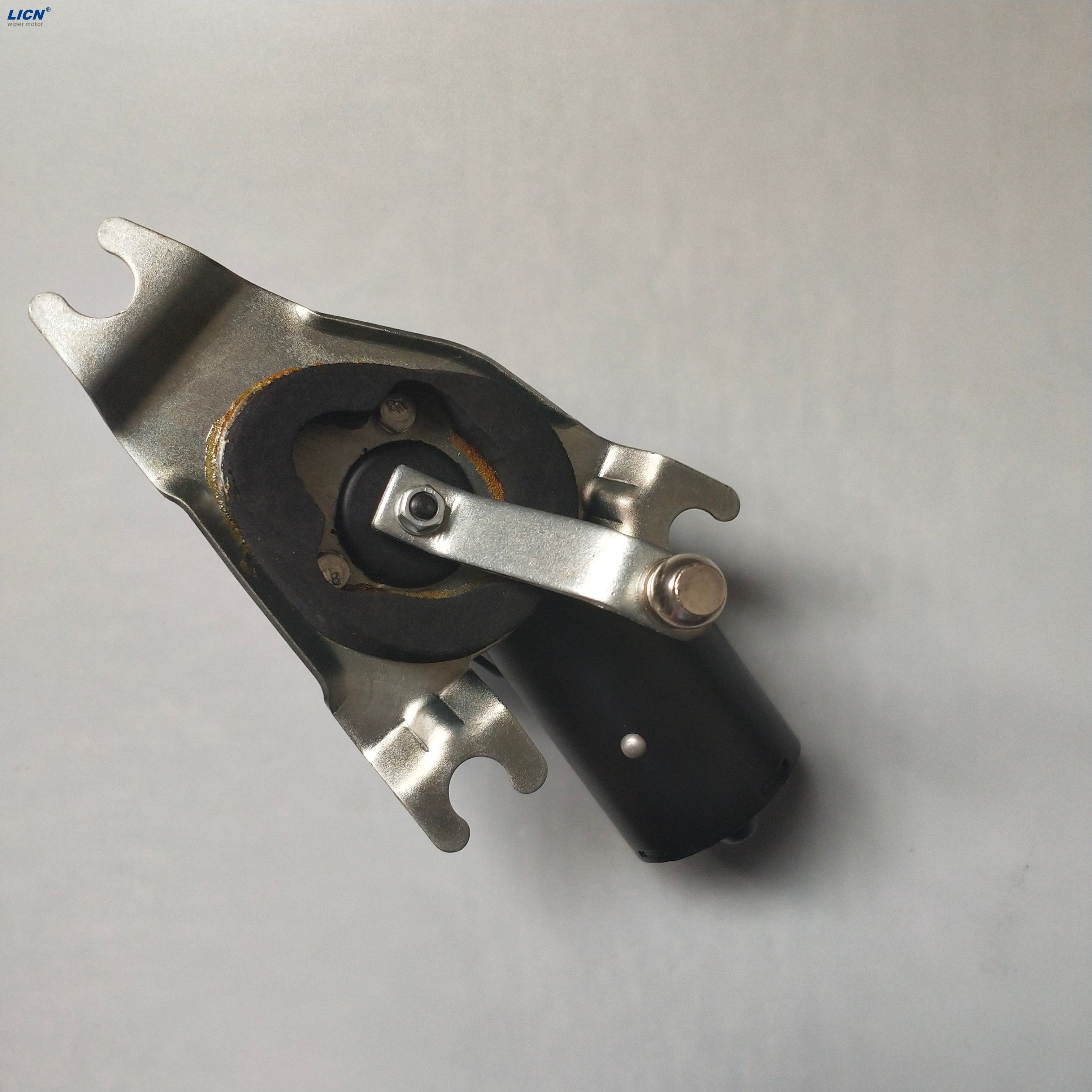
Before testing your wiper motor, ensure that the wiper blades and motor components are free from ice or debris. Frozen blades can put unnecessary strain on the motor, so remove any ice and allow the blades to thaw before running the motor.
Use a multimeter to check that the wiper motor is receiving the correct voltage. Cold temperatures can sometimes cause low voltage or power fluctuations, so ensure the motor is properly powered. If the motor is receiving 12V but still not working, it may be due to an internal fault.
Once you’ve confirmed that the motor is receiving power, test the motor’s torque by running the wipers at different speeds. If the motor struggles to operate at higher speeds, it may be struggling to overcome the increased viscosity of the lubricants due to the cold temperatures.
In conclusion, wiper motors are designed to operate in a wide range of weather conditions, including low temperatures. While they can function in freezing weather, they face challenges such as ice buildup, electrical issues, and increased friction. LICN’s Wiper Motor is built to withstand these challenges, featuring high-quality lubricants, sealed bearings, and durable construction to ensure reliable performance in even the coldest environments.
For those living in colder climates, ensuring that your wiper motor is built for low temperatures is crucial to maintaining safety and visibility on the road. Regular maintenance, proper care, and investing in a durable wiper motor like LICN’s Wiper Motor will ensure that your vehicle’s wipers perform reliably, even in the harshest conditions.
Call-to-action: For reliable, durable performance in low temperatures, consider investing in LICN’s Wiper Motor to keep your windshield clear and your driving safe, no matter the weather.
A: Yes, wiper motors are designed to work in low temperatures, but cold weather can cause issues like thickened lubricants and frozen components. High-quality wiper motors, like LICN’s, are built to perform in extreme cold.
A: In cold weather, thickened lubricants increase friction in the wiper motor, reducing efficiency. Ice buildup on wiper blades also strains the motor, but motors like LICN’s are designed to handle these challenges.
A: Wiper motors designed for cold weather, like LICN’s, include high-quality lubricants, sealed bearings, and durable materials that resist freezing, ensuring smooth operation in freezing conditions.
A: Use anti-freeze windshield washer fluid and regularly clean the wiper motor and blades to prevent ice buildup. Parking in a sheltered area also helps protect the motor from freezing temperatures.
A: Yes, if not designed for low temperatures, a wiper motor can freeze. However, LICN’s Wiper Motor features sealed components that prevent freezing and ensure reliable performance even in freezing temperatures.


