
Views: 0 Author: Site Editor Publish Time: 2026-08-18 Origin: Site


A failing windshield wiper system creates an immediate operational bottleneck. You lose visibility, safety compliance drops, and the vehicle becomes undrivable in adverse weather conditions. When a failure occurs, sourcing the right component forces a mechanical decision. You must balance the upfront investment of factory-original components against the potential fitment, electrical, and longevity risks associated with aftermarket alternatives. Making the wrong choice leads to frustrating installations, intermittent electrical faults, or premature component failure during heavy storms.
This guide provides a structured, engineering-focused framework for evaluating your replacement options. We evaluate dimensional tolerances, electrical compatibility, lifecycle viability, vehicle age, and specific application requirements. By understanding the mechanical and electrical differences between factory and aftermarket units, you will learn exactly how to choose the right motor for your specific operational demands and ensure reliable visibility in all weather conditions.
An OEM wiper motor guarantees exact dimensional and electrical matching to factory specifications, minimizing installation friction but requiring a higher initial capital outlay.
Premium replacement wiper motors can achieve comparable durability and torque output at a lower cost, provided they are sourced from a rigorously vetted automotive motor supplier with a strong brand reputation.
The age and residual value of the vehicle play a major role in the purchasing decision; older daily drivers often benefit most from high-quality aftermarket parts, while complex modern systems demand OEM precision.
Custom wiper motors and modern retrofit kits serve as necessary alternatives for legacy vehicles, restomods, or specialized fleet applications where original factory components are obsolete, slow, or underpowered.
Original Equipment Manufacturer standards define the absolute baseline for vehicle components. The exact company that supplied the vehicle's original assembly line produces these units. They do not just look identical to the original part; they perform identically under all conditions. Factory engineers dictate strict metrics for every internal component. They specify the exact thickness of the copper windings, the durometer of the rubber isolation grommets, and the specific composition of the internal gear grease. These strict engineering tolerances ensure the motor integrates seamlessly with the rest of the vehicle's infrastructure.
An OEM wiper motor must meet exact electrical draw limits. If a motor pulls too many amps during operation, it risks tripping relays or damaging the vehicle's Body Control Module. Precise torque output ensures the blades clear heavy snow or driving rain without stalling or overheating. Sweep angle calibration must match the windshield geometry perfectly. This ensures the blades do not slap against the A-pillars or drop off the glass. Furthermore, the internal park switch must halt the blades at the exact bottom of the windshield every single time the system is turned off, requiring precise internal cam timing and contact plate alignment.
Automakers rarely build their own electric motors in-house. Instead, they contract Tier 1 suppliers to manufacture these units. These suppliers operate under strict proprietary guidelines provided by the automaker. They hold the original blueprints, material specifications, and testing protocols required to build the motor correctly. Maintaining this prestigious designation requires implementing and sustaining rigorous quality control frameworks across all production lines.
Suppliers must achieve and maintain ISO/TS 16949 compliance, which governs quality management systems in the automotive supply chain. They run extensive environmental testing on every batch of motors. These units endure salt spray chambers to test corrosion resistance on the metal housings. They undergo extreme thermal cycling from -40°C to +85°C to simulate freezing winters and scorching summers. Technicians run them under continuous high-load operation to verify brush and commutator longevity. The factory label signifies that the part passed the exact same rigorous gauntlet as the unit installed on the assembly line.
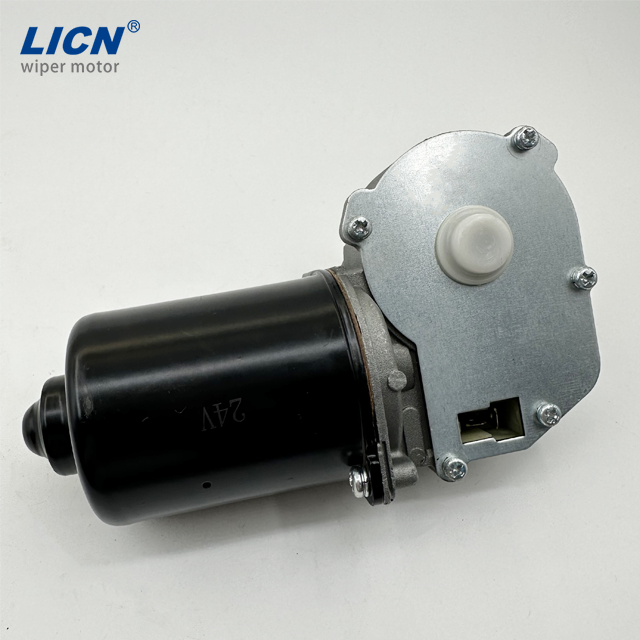
The aftermarket tier provides components designed to mimic factory fitment without carrying the automaker's official branding. Independent manufacturers reverse-engineer the original design to create a functional equivalent. However, manufacturing variability defines this landscape. The quality gap between different aftermarket brands can be massive, heavily impacting the reliability of the final installation.
Premium aftermarket units often utilize factory-grade copper windings, durable metal internal gears, and robust weather sealing. They balance the armature correctly to prevent vibration and use sintered bronze bushings for the main shaft. Economy units take a drastically different approach to reduce production expenses. They frequently substitute hardened steel worm gears with inferior injection-molded plastics that warp under high under-hood temperatures. They use weaker carbon brush materials that wear out quickly, leading to dead spots in the motor's rotation. You must research specific brand reputations and consult mechanic consensus before purchasing. A premium replacement wiper motor delivers excellent reliability, but economy versions often fail prematurely under heavy mechanical loads.
Certain applications require specialized solutions that go beyond standard direct-fit parts. Classic car restomods, heavy-duty commercial fleets, and discontinued vehicle models often lack reliable factory replacement options. Decades-old stock systems degrade severely over time. Original motors become slow, noisy, and highly prone to failure. Internal permanent magnets lose their field strength, and factory-applied grease solidifies into a clay-like substance, causing massive internal friction.
In these scenarios, upgrading becomes a functional necessity rather than a simple cosmetic choice. A custom wiper motor provides modern reliability and speed for legacy platforms. Custom integration demands careful engineering considerations. You must adapt mounting brackets to fit modern motor housings into vintage cowls. Physical relocation presents unique challenges; mechanics often move assemblies from the air filter housing directly to the firewall to create better clearance for modern engine swaps. You must also upgrade legacy wiring harnesses. Modern high-torque motors draw significantly more amperage than vintage wires and dashboard switches can safely handle, requiring dedicated relay circuits.
Zero-modification installation defines the primary mechanical advantage of factory-original parts. They align perfectly with existing mounting points. The shaft length matches the cowl depth exactly, ensuring the wiper transmission arms sit at the correct angle. The splines engage the wiper linkages without binding or requiring excessive force. You simply drop the unit in, tighten the isolation bolts, and connect the linkage. The factory rubber isolation grommets prevent motor vibration from transferring into the cabin.
Aftermarket units carry inherent dimensional risks. Slight variations in motor housing dimensions cause major installation headaches. A housing that is just two millimeters too wide might rub against the firewall or interfere with the HVAC intake. Incorrect shaft lengths necessitate custom shims to prevent the linkage from scraping against the sheet metal. Poorly machined splines cause linkage slippage, throwing off the wiper timing. These seemingly minor clearance issues turn a standard one-hour replacement job into a frustrating, multi-hour fabrication and adjustment project.
Modern wiper systems rely on complex, multiplexed electrical networks. Exact wiring harness matching prevents catastrophic electrical failures. Incorrect pinouts cause immediate short circuits. They burn out expensive relays and can trigger intermittent failures in the wiper control module. Many modern vehicles use a Local Interconnect Network bus, where the motor contains an integrated logic board that communicates digitally with the rain sensor and the main computer.
Factory motors offer true plug-and-play reliability. The connector snaps in, the digital handshake occurs, and the system recognizes the component immediately. Aftermarket units sometimes struggle with this digital integration. Some require electrical modifications to function correctly. You might need to repin the connector housing to match the factory wiring diagram. Some economy units require splicing wires or installing bulky adapter harnesses. Every splice introduces a potential failure point for moisture intrusion, galvanic corrosion, and eventual electrical failure.
Motor performance directly dictates your visibility during severe weather events. Success criteria include low decibel output in the cabin and consistent sweep speed under heavy mechanical load. A quality motor pushes wet, heavy snow or resists highway-speed wind without slowing down or groaning. The internal gear reduction must provide enough torque to overcome the friction of the rubber blades against dry glass during the initial sweep.
Thermal management separates premium units from cheap alternatives. Economy aftermarket units suffer from poor heat dissipation due to thinner metal housings and lack of internal heat sinks. Prolonged use during a heavy storm causes premature thermal shutdown. The motor overheats, trips an internal thermistor, and leaves you without wipers until the unit cools down. Factory units utilize superior heat sinks, high-temperature winding insulation, and optimized airflow designs to guarantee continuous operation under maximum load without overheating.
Evaluation Metric | Factory Original (OEM) | Premium Aftermarket | Economy Aftermarket |
|---|---|---|---|
Dimensional Fitment | Exact match, zero modification | High accuracy, rare shimming needed | Inconsistent, frequent clearance issues |
Internal Gearing | Hardened steel and high-grade nylon | Steel and durable polymers | Injection-molded brittle plastics |
Electrical Integration | Plug-and-play, full digital handshake | Direct fit, occasional adapter needed | May require wire splicing or repinning |
Thermal Management | Excellent, continuous heavy-load use | Good, reliable in most weather | Poor, prone to thermal shutdown |
Operational Noise | Whisper quiet, factory grommets | Low noise, minor vibration | Loud groaning under heavy load |
Evaluating components requires looking far beyond the initial acquisition phase. Factory-original parts demand a higher upfront investment. The engineering precision, rigorous testing protocols, and guaranteed fitment justify this premium. Aftermarket units offer significant initial savings, making them highly attractive for budget-conscious repairs. However, you must weigh these immediate savings against long-term operational reliability.
A cheaper unit might fail after enduring just one harsh winter. Premature failure introduces secondary labor requirements, meaning you pay for the installation procedure twice. Vehicle downtime heavily impacts productivity, especially for commercial fleet operators who rely on vehicle availability. The initial savings quickly evaporate when you factor in replacement labor, diagnostic time, and the extreme frustration and danger of a sudden wiper failure during a torrential rainstorm. Investing in quality upfront mitigates these downstream risks.
The depreciation factor heavily influences purchasing decisions. Investing in a premium factory part makes perfect sense for a three-year-old vehicle. Complex modern systems with rain-sensing technology, variable speed intermittent modules, and integrated digital communications demand exact precision. Installing a substandard part in a newer vehicle risks cascading electrical issues and voids remaining factory warranties on related systems.
Older vehicles change the calculation entirely. A fifteen-year-old daily driver nearing the end of its operational lifecycle rarely justifies top-tier component investments. High-quality aftermarket replacements provide the ideal balance for aging vehicles. They restore safe operation and pass state safety inspections without overcapitalizing a depreciating asset. You must align the component quality with the remaining expected lifespan of the vehicle to ensure the investment makes logical sense.
Warranty structures vary significantly between component tiers. Standard dealership warranties on factory parts typically cover 12 to 24 months of operation. If a certified dealer installs the part, this warranty usually includes labor coverage for replacements if the unit fails within the specified timeframe. This provides complete peace of mind for the vehicle owner.
Premium aftermarket brands often offer limited lifetime warranties to compete with factory parts. However, these are almost exclusively parts-only warranties. They do not cover the expensive labor required to remove the cowl and swap the defective unit. You must carefully evaluate the claims process before relying on a warranty. Consider the burden of proof required for defective units. Assess the reliability of the automotive motor supplier backing the warranty. A lifetime warranty holds absolutely no value if the company makes the claims process impossibly difficult or denies claims based on minor installation technicalities.
The automotive parts market contains numerous counterfeit components disguised as premium brands. Installing these units poses severe safety risks, as they undergo zero quality control testing. You must identify the red flags of counterfeit parts before installation. Suspiciously flimsy packaging, misspelled brand names, or generic white boxes often indicate a fake component.
Missing stamped part numbers on the metal housing serve as a major warning sign. Authentic factory parts feature deep, clear casting marks and precise labeling. Components priced drastically below market averages usually indicate substandard manufacturing or outright counterfeiting. Always verify the credentials of your supplier. Check their manufacturing standards and authorized dealer status. Reliable vehicle replacement parts come from distributors with transparent sourcing, verifiable quality control certifications, and a track record of industry reliability.
Installation efficiency directly impacts the overall viability of a component. Factory installations offer highly predictable labor times. The technician removes the old unit, drops in the new one, verifies operation, and returns the vehicle to service within the allotted flat-rate manual time. Aftermarket units frequently introduce potential troubleshooting time, destroying shop efficiency.
Technicians must adopt strict risk mitigation practices when installing non-factory units. Finding a mechanical binding issue or an electrical fault after reassembling the entire cowl assembly wastes hours of labor and frustrates both the technician and the vehicle owner. Follow a strict pre-installation protocol to avoid these setbacks.
Bench-test the motor function using an external 12-volt power supply before attempting installation.
Verify the electrical pinouts and amp draw using a digital multimeter to ensure they match factory specifications.
Inspect the splines on the motor shaft for burrs or machining defects that could damage the wiper transmission arm.
Check the linkage articulation manually before fully reassembling the vehicle's cowl or firewall to ensure zero binding.
Inspect your existing wiper linkage for binding or excessive play before ordering a replacement motor to ensure the root cause is actually electrical.
Verify the exact factory part number stamped on your current motor housing to guarantee cross-compatibility with your new component.
Test the vehicle's electrical connector with a multimeter to confirm proper voltage and a solid ground before installing the new unit.
Apply dielectric grease to the electrical connections during final installation to prevent moisture intrusion and long-term galvanic corrosion.
A: Premium aftermarket motors from reputable suppliers match factory durability by utilizing high-quality copper windings and metal gears. Economy units substitute these with inferior plastics and weaker brush materials. This makes them highly susceptible to premature failure when pushing heavy loads like wet snow across the glass.
A: For a vehicle nearing the end of its lifecycle, a high-quality aftermarket replacement makes better economic sense. Factory parts remain the strict standard for newer vehicles equipped with complex rain-sensing systems or digital communication buses that require exact electrical precision to function without throwing error codes.
A: Installing an aftermarket part does not automatically void your entire vehicle warranty. However, if the aftermarket motor causes a direct electrical short that damages the Body Control Module or melts the related wiring harness, the dealership will deny warranty coverage for that specific electrical repair.
A: Look for clear, deep casting marks and stamped factory part numbers directly on the metal housing. Verify the supplier holds authorized distributor status for the automaker. Suspiciously flimsy packaging, missing labels, or generic white boxes are strong indicators that you are dealing with counterfeit components.
A: Yes, but it requires careful electrical planning. Modern high-torque custom motors draw significantly more amperage than vintage wiring can safely handle. You must install a dedicated relay and upgrade the power and ground wires to prevent overheating the factory switches and causing an electrical fire.
A: Slower operation usually indicates excessive mechanical binding in the wiper linkage rather than a faulty motor. Increased noise often results from missing rubber isolation grommets, poor internal gear meshing in cheaper aftermarket units, or slight dimensional mismatches causing the metal housing to vibrate against the cowl.
A: A factory motor is engineered to last the lifetime of the vehicle under normal conditions, often exceeding 10 to 15 years of operation. Premium aftermarket units offer similar lifespans. Economy units routinely fail within two to five years, especially if subjected to harsh winters and heavy usage.


