
Views: 0 Author: Site Editor Publish Time: 2026-06-05 Origin: Site


Sub-zero temperatures represent the ultimate stress test for automotive electrical components. The windshield wiper system is often the very first mechanism to experience operational failure. For fleet managers, mechanics, and heavy-equipment operators, wiper failure in winter isn't just a daily nuisance. It presents a severe safety hazard and a strict compliance risk on the road. You need absolute visibility to operate safely in harsh weather. A Wiper Motor can absolutely operate in freezing conditions, provided it utilizes correct thermal protections, synthetic lubricants, and high torque ratings. This comprehensive guide breaks down why standard motors fail when the cold sets in. We will explore the mechanical physics behind these winter failures. Finally, you will learn how to evaluate and specify winter-ready replacements to guarantee fleet visibility.
Standard wiper motors often fail in low temperatures due to thickened factory grease and mechanical overload from frozen blades.
A reliable winter-grade wiper motor relies on integrated thermal switches and synthetic, low-temperature lubrication to maintain performance.
Upgrading to a heavy duty wiper motor provides higher stall-torque limits and better burn-out protection, reducing long-term replacement costs for commercial and severe-duty vehicles.
Even the most robust motor requires preventative operator maintenance, as no electrical component can continuously out-muscle solid ice.
Extreme cold drastically alters the physical properties of mechanical components. Understanding these microscopic shifts helps us predict exact failure points. When ambient heat drops, every element inside the motor casing undergoes severe physical stress.
Inside every motor housing sits a specific amount of dielectric and gear grease. Standard factory grease thickens significantly when the thermometer drops below freezing. When mechanics pull apart failed motors during winter, they frequently find this grease turned into a solid, waxy block. It often hardens completely at extreme sub-zero levels. This thickened sludge drastically increases internal friction against the worm gear. The motor must work twice as hard just to rotate the internal components. Consequently, this drag reduces the overall rotational speed and puts immense strain on the copper windings. Operating continuously in a low temperature environment absolutely requires specialized synthetic lubricants.
Extreme cold creates a harsh electrical dilemma for any vehicle. First, a freezing environment lowers the overall output capacity of your battery. Cold chemical reactions simply produce much less cranking power. Batteries can lose up to thirty percent of their voltage potential overnight. Simultaneously, the thickened grease and stiffened mechanical linkages demand higher amperage. The unit desperately tries to draw more power to overcome this structural stiffness. This specific combination of low energy supply and high energy demand creates a perfect storm for electrical failure.
Physical materials shrink rapidly when they freeze. Many standard units use plastic composite gears inside their housings to reduce operational noise. Unfortunately, these plastics become extremely brittle in freezing conditions. When the mechanism pushes against heavy snow accumulation, the high-torque load often strips these brittle plastic teeth entirely. Furthermore, rubber weather seals contract and harden. As the seals shrink away from the metal casing, freezing moisture seeps directly inside the housing. This moisture eventually corrodes the delicate electrical contacts.
Hardware degradation explains long-term winter failures. However, sudden catastrophic failure usually stems from a singular event. We call this the frozen blade scenario.
Every commercial driver experiences this classic winter scenario. You park your vehicle overnight during an aggressive winter storm. Moisture settles on the windshield glass and freezes completely solid. This creates an immovable mechanical lock between the rubber blades and the glass surface. When you enter the cab and flip the dashboard switch, a dangerous mechanical standoff begins instantly. The armature tries to rotate the linkage system, but the blades stubbornly refuse to yield.
This locked physical state triggers a rapid, destructive electrical reaction. The engaged mechanism cannot physically rotate. Because the armature stays permanently locked, the system draws a massive spike in electrical current from the battery. It attempts to pull enough raw power to break the solid ice free. This huge current draw generates intense internal heat almost instantly. Without proper structural safeguards, the copper wire windings inside the armature will literally melt together. This results in permanent, unrepairable burnout.
Brilliant engineers design specific safeguards to handle these unavoidable lock-ups. They know operators will inevitably make mistakes.
Thermal Switches and Breakers: Premium models feature highly sensitive integrated thermal protection circuits. These auto-resetting switches detect the rapid temperature rise inside the tight housing. They temporarily cut power to the drive completely. This crucial pause prevents the armature from melting down. Once the unit cools back down to a safe operating range, the switch resets automatically.
Fuses vs. Motors: Many operators mistakenly believe a blown fuse indicates a major hardware disaster. In reality, a blown fuse serves as an intended safety measure. The vehicle's fuse box sacrifices a cheap component to stop the massive amperage spike. Conversely, a smoking or dead assembly indicates a complete failure of internal thermal regulation.
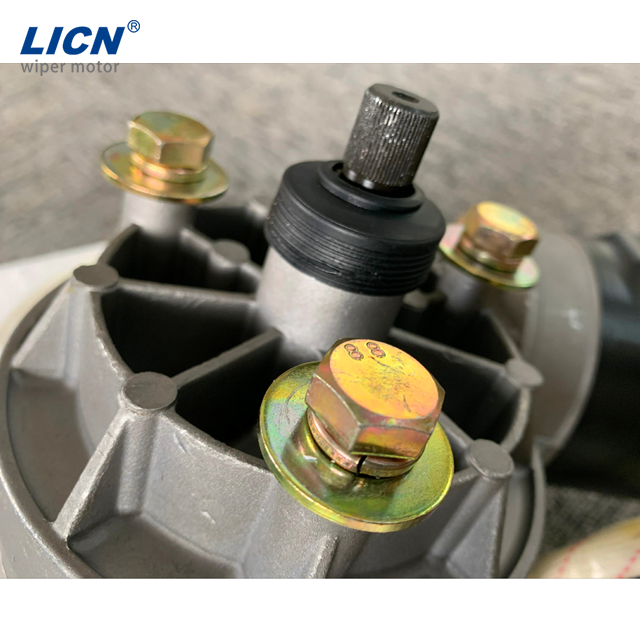
When replacing a failed unit, you must meticulously evaluate specific technical criteria. Hardware meant for warm southern climates will never survive harsh northern winters. You must look beyond basic fitment.
Always verify the manufacturer actually uses synthetic greases rated for sub-zero operation. Standard petroleum grease fails around zero degrees Fahrenheit. Winter-rated synthetic lubricants maintain proper fluid viscosity all the way down to negative forty degrees. This ensures perfectly smooth gear rotation immediately upon morning startup. Ask your parts vendor for the specific temperature rating of their internal lubrication.
Do not rely solely on your vehicle's remote fuse box for protection. Assess whether the replacement unit features integrated, auto-resetting thermal switches. These localized switches react much faster than a distant cabin fuse. They provide a critical layer of localized reliability against catastrophic burnout during dangerous ice lock-ups.
Winter weather conditions demand significantly more pushing power. Look for models engineered strictly to deliver higher starting torque. A high-torque armature pushes straight through heavy snow accumulation without stalling out mid-wipe. This incredible power prevents the linkage from freezing halfway across your critical line of sight.
Ambient moisture remains the primary enemy of all electrical components. Evaluate the tight weather-sealing of the outer housing. Sub-standard gaskets allow condensation to form inside during rapid freeze-thaw cycles. This trapped internal moisture eventually corrodes the vital copper contacts. Premium sealed housings block water intrusion completely, extending the lifespan significantly.
Use this simple comparison chart when evaluating replacement specification sheets against factory standards.
Component Focus | Standard OEM Specification | Winter-Ready Specification |
|---|---|---|
Gear Lubricant | Standard Petroleum Grease | Synthetic Low-Temp Grease (-40°C) |
Overload Protection | External Fuse Box Only | Integrated Thermal Switch |
Internal Gearing | Standard Plastic Composites | Reinforced or Solid Metal Gearing |
Housing Seal | Basic Rubber Compression Gasket | Hermetic Weather-Sealing |
Choosing between a standard replacement and an upgraded rugged unit requires practical analysis. You must carefully balance upfront component costs against expected operational outcomes. Making the wrong choice leads to frustrating breakdowns during blizzards.
A standard OEM-equivalent model carries a noticeably lower initial price tag. However, repeated electrical failures in freezing conditions lead to unacceptable vehicle downtime. For commercial fleet vehicles, an inoperable windshield wiper grounds the entire truck legally. Investing in an upgraded unit actively prevents these costly weather-related groundings. Framing your return on investment around reduced winter downtime makes the slightly higher initial cost highly favorable.
Different vehicles require different levels of ruggedness. Match the internal hardware directly to your actual daily operational needs.
Light Commercial Vehicles: Delivery vans and light service trucks benefit greatly from standard upgrades. Focus on finding models equipped with improved internal thermal switches. They handle mild to moderate winter conditions effectively without breaking the budget.
Snowplows and Heavy Equipment: These specific vehicles push severe wet loads constantly. They absolutely require a true heavy duty motor to survive. Look for industrial-grade units featuring reinforced metal gearing. They handle high-amp draws safely and feature superior weatherproofing against salt spray.
Always recommend sourcing hardware from highly transparent manufacturers. Trustworthy vendors publish their extreme-temperature testing data readily. They proudly display their continuous-duty cycle ratings for buyers to see. They openly verify their mechanical performance metrics publicly. If a parts vendor actively hides their technical specification sheets, look elsewhere for your winter survival parts.
Hardware upgrades alone cannot guarantee flawless winter operation forever. The surrounding mechanical environment dictates long-term success. You must address the entire system holistically.
Installing a brand-new high-torque unit won't solve underlying systemic issues. A binding, heavily rusted wiper linkage creates immense mechanical drag. This external drag closely mimics the exact symptoms of frozen internal grease. Mechanics often test this by disconnecting the arms from the main spindle. If you cannot move the linkage smoothly by hand, the new drive will definitely struggle. Similarly, extreme cold negatively affects older electrical relays. A failing relay drops necessary voltage before it ever reaches the armature. Always inspect and lubricate the entire linkage system during fresh installation.
We must strongly emphasize that hardware upgrades cannot replace proper winter protocol. No electrical component can continuously out-muscle solid ice forever. Drivers habitually jump into freezing cabs, crank the ignition, and immediately hit the stalks. This terrible habit acts as a death sentence for standard components. Operators must follow strict preventative maintenance routines.
Defrost Thoroughly First: Always run the vehicle's internal defrost system before engaging the blades. Heat the glass adequately to loosen the strong ice bond.
Clear Heavy Snow Manually: Never use the rubber blades as a snowplow. Use a sturdy brush to clear heavy accumulation manually. Allow the electrical system to handle light precipitation only.
Park in the "Off" Position: Always turn the dashboard switch to the "Off" position before shutting down the ignition at night. If you leave them switched on, the system will attempt a violent dry-start on frozen glass the very next morning. This exact scenario is the leading cause of sudden electrical burnout.
Use this quick reference table to diagnose common cold-weather symptoms.
Observed Symptom | Most Likely Cause | Recommended Action |
|---|---|---|
Sluggish movement in morning | Thickened internal grease | Allow cabin heat to warm the firewall area; upgrade to synthetic grease. |
No movement, audible clicking | Frozen linkage or thermal switch tripped | Clear ice manually. Wait 5 minutes for the thermal switch to reset. |
Sudden stop during heavy snow | Blown fuse or stripped plastic gear | Check fuse box first. If fuse is intact, internal gears are likely stripped. |
A wiper motor's ability to survive punishing low temperatures comes down to three crucial engineering factors. It requires adequate synthetic lubrication, sufficient starting torque, and fail-safe thermal protection. Standard factory units simply lack the robust engineering to handle sub-zero mechanical resistance. Extreme cold thickens grease, drops battery output dramatically, and locks blades firmly to the glass. Upgrading to specialized cold-weather hardware prevents these catastrophic failures during harsh blizzards.
Take proactive measures long before the deep winter freeze arrives. We encourage fleet managers and mechanics to carefully audit their current fleet failure rates. Identify exactly which vehicles suffer from repeated winter electrical burnouts. Consult manufacturer specification sheets carefully moving forward. Always verify the distinct inclusion of winter-rated synthetic grease and internal thermal switches before purchasing any replacement assembly. Prepare your heavy vehicles now to ensure perfectly safe, uninterrupted visibility all season long.
A: Standard wiper motors typically start struggling around 0°F (-18°C). At this specific threshold, conventional petroleum-based factory grease begins to thicken significantly. This sluggish grease drastically increases internal mechanical friction. The unit must draw much higher amperage to force the gears to turn, which bogs down the RPM and rapidly accelerates internal wear.
A: This fluctuates constantly due to a severe freeze-thaw cycle. Morning temperatures often drop below freezing, hardening the internal grease and freezing ambient moisture inside the housing. This creates temporary mechanical binding. As afternoon temperatures rise, the synthetic grease regains its normal viscosity and internal ice melts, allowing the system to function normally again.
A: Yes, upgrading is highly recommended for harsh northern climates. However, you must verify physical compatibility and wiring harness fitment first. Additionally, ensure your vehicle's existing linkage and arms can handle the increased torque output safely. Installing a high-torque unit on a rusted or incredibly weak linkage may physically bend the metal arms.
A: No, a blown fuse actually indicates the safety system worked perfectly. When cold-weather binding or frozen blades prevent rotation, the system draws a massive amperage spike. The fuse intentionally blows to sever the electrical connection completely. This mechanism sacrifices the cheap fuse to protect the expensive winding from melting.


