
Views: 0 Author: Site Editor Publish Time: 2026-03-04 Origin: Site


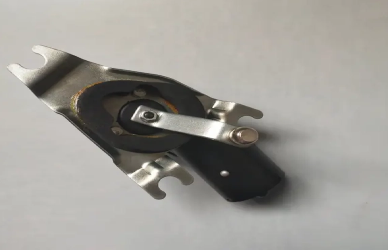
A Side Step Motor is the driving component inside a powered running board system (also called a power side step). It automatically deploys a step when a door opens and retracts it when the door closes, giving occupants a lower, safer stepping point without permanently hanging a fixed running board below the vehicle. This is especially valuable on taller vehicles where entry height is a daily inconvenience—or a safety concern for children, older passengers, and anyone carrying cargo. Because powered steps add comfort, accessibility, and a premium feel, Side Step Motors are most commonly found on specific vehicle types and trims. Below is a practical guide to which vehicles use Side Step Motors and why.
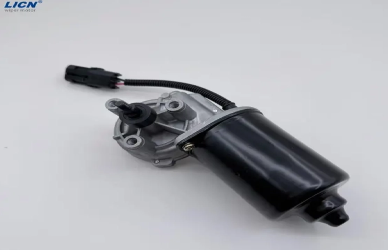
A typical power running board system includes the Side Step Motor, a gear reduction unit (often integrated), link arms or pivot brackets, mounting hardware, wiring harness, and a control module. Sensors and input signals—such as door-ajar switches, ignition state, or vehicle speed—tell the system when to deploy or retract. Many designs also include protective features like current sensing (to detect jams), soft-stop behavior, and sealed housings to handle road water, dust, and winter salt. In simple terms, the Side Step Motor provides controlled torque, while the mechanical arms convert rotation into the step’s outward and downward motion.
Most systems follow a predictable sequence: when a door opens, the module commands the Side Step Motor to extend the board to a stable, usable position. When the door closes, the motor reverses to retract the board flush against the rocker panel. Better systems include anti-pinch logic and obstacle detection—if the step hits ice, debris, or a curb, the motor current rises and the controller may stop or reverse to prevent damage. The result is a consistent, automatic “present and tuck away” motion that feels premium while keeping the underbody cleaner and more aerodynamic when retracted.
Full-size pickups are one of the most common categories for Side Step Motors because they combine tall ride heights with frequent entry and exit. Drivers step in and out multiple times a day—at job sites, while loading tools, or during errands. Powered steps reduce the climb height, helping prevent slips and making entry more comfortable when carrying items. They’re also popular on crew cab configurations where rear passengers—often family members—need easier access, especially for kids or shorter adults.
Heavy-duty pickups typically sit even higher and are often used in harsher conditions: mud, gravel, snow, and road salt. That’s exactly where a Side Step Motor must be durable—resisting corrosion, sealing out contaminants, and delivering consistent torque even when the mechanism is dirty. For towing and hauling users, the convenience factor is huge: getting in and out while checking trailers, straps, or cargo is easier when the step deploys automatically. As a result, powered running boards are common on higher trims and work-focused builds alike.
Full-size SUVs are another major segment where Side Step Motors appear frequently. These vehicles are designed for families and long trips, often with third-row seating and higher ground clearance. A powered step improves everyday usability: easier entry for children and easier access when installing or removing child seats. Many owners also appreciate how a retractable step preserves the SUV’s clean side profile when not in use, maintaining the premium appearance without sacrificing practicality.
Off-road and adventure-focused SUVs often need a careful balance: good access height for daily driving, but maximum ground clearance off-road. Fixed steps can reduce clearance and get caught on rocks or ruts. A powered running board retracts upward when the doors are closed, helping preserve clearance while still providing a lower step when parked. In this segment, Side Step Motors are typically designed with stronger sealing and rugged brackets, since off-road vibration and impacts are more common.
Luxury vehicles use Side Step Motors not only for convenience, but also for “presentation.” When a door opens and the step glides out smoothly, it feels like a curated experience—especially on premium SUVs with tall profiles. Luxury buyers also care about noise, smoothness, and refined motion, so these systems often emphasize quiet operation, consistent deployment speed, and stable end positions that feel solid underfoot.
Even when a vehicle doesn’t include power steps from the factory, premium trim packages and dealer-installed upgrades can add them. Many customers choose powered steps to match a vehicle’s styling theme, improve daily comfort, or add a feature commonly seen on higher-end trims. This is one reason Side Step Motors show up across a wide range of models: they’re increasingly treated as a “premium add-on” rather than a niche feature.
In fleet use, the value proposition is different: it’s about reducing fatigue and improving efficiency. Utility vehicles and fleet SUVs may see dozens of door cycles per day. A powered step can speed entry/exit and reduce strain for personnel wearing gear or carrying equipment. For these buyers, reliability matters as much as convenience—durable motors, sealed mechanisms, and easy serviceability can be decisive factors.
Specialty vehicles often have modified weights or ride heights, which can make entry more challenging. Armored SUVs and limousines may sit higher or weigh significantly more, and mobility conversions focus heavily on accessibility. In these cases, Side Step Motors are selected for higher torque capability and robust components, since the step system must handle different loading and real-world use patterns compared with standard consumer vehicles.
Not every vehicle benefits from powered steps. Side Step Motors add cost, weight, wiring, and mechanical complexity. For smaller SUVs or crossovers with lower ride heights, the step advantage may be minimal. Some manufacturers prefer fixed steps or no steps at all to keep the vehicle lighter, simpler, and less expensive to maintain over time.
Packaging is another limitation: underbody space can be tight due to exhaust routing, battery packs (in EVs), or structural components. In heavy winter climates, ice buildup can jam step mechanisms, requiring stronger protection logic and sealing. Off-road vehicles that frequently scrape obstacles may avoid powered steps if the system cannot be sufficiently protected. These constraints explain why Side Step Motors are most common on larger, higher vehicles where the benefits outweigh the trade-offs.
Selecting a Side Step Motor is not just about “making the step move.” You need enough torque to deploy reliably under load, stable speed for smooth motion, and a duty cycle that matches how often doors open in daily use. A family SUV may see moderate cycles, while a fleet vehicle may see high cycles; the motor and gearbox must be sized accordingly. Step length, linkage geometry, and the weight the step must support also affect required performance.
Because the system sits low on the vehicle, exposure is constant—water, dust, stones, salt spray, and temperature swings. A suitable Side Step Motor should emphasize sealing, corrosion resistance, and consistent operation across seasons. Protective features like overcurrent protection, jam detection, and controlled ramp-up/ramp-down can reduce mechanical shock and extend system life. For real-world durability, these details matter as much as the motor’s nominal power.
Yes. “Side Step Motor” commonly refers to the motor used in powered running boards or power side steps; naming varies by supplier and region.
Often yes, via aftermarket or dealer kits, but compatibility depends on mounting points, wiring integration, and whether the vehicle supports required signals (like door status).
Slow or uneven movement, sticking during deployment, unusual clicking/grinding noise, intermittent operation, or a step that retracts incompletely are common warning signs.
When fully retracted, many designs sit closer to the body than fixed boards, which can reduce drag compared with always-exposed steps. Real-world impact varies by vehicle shape and step design.
Side Step Motors are most commonly used in vehicles where ride height and daily convenience intersect: full-size pickups, heavy-duty trucks, full-size SUVs, off-road/adventure SUVs, luxury models, and many fleet or specialty conversions. They deliver a practical benefit—easier entry and exit—while preserving ground clearance and styling when retracted. If you’re specifying or upgrading a system, focus on the vehicle category, expected door-cycle frequency, and environmental conditions, then match torque, sealing, and protection features to ensure reliable performance.


