
Views: 0 Author: Site Editor Publish Time: 2025-12-08 Origin: Site


Have you ever wondered how your windshield wipers work seamlessly during a storm? The wiper linkage is a critical component that ensures your wipers function properly. In this article, we’ll explore what makes up a wiper linkage and why it’s essential for vehicle safety and maintenance.
The wiper linkage is made up of several key components, each serving a specific function to ensure smooth operation. Understanding these parts helps appreciate how they work together to keep your windshield clear during inclement weather.
1. High-Strength Steel and Reinforced Plastic Materials
The primary materials used in wiper linkage construction are high-strength steel and reinforced plastic. These materials are chosen for their durability and resistance to wear and tear. High-strength steel provides the necessary structural integrity, while reinforced plastic helps reduce weight without compromising strength. This combination allows for effective movement and longevity of the wiper system.
2. Zinc-Coated Anti-Rust Steel Components
One of the significant concerns for any vehicle part exposed to the elements is rust. Zinc-coated steel components are essential in wiper linkages as they offer excellent corrosion resistance. The zinc coating acts as a barrier, preventing moisture from reaching the steel beneath. This protective layer ensures that the wiper linkage remains functional and reliable over time, even in harsh weather conditions.
3. Self-Lubricating Plastic Bushings
Friction can be a major issue in mechanical systems, leading to wear and noise. To combat this, wiper linkages often include self-lubricating plastic bushings. These bushings reduce friction between moving parts, allowing for smoother operation. The self-lubricating feature means they require less maintenance, making them a practical choice for manufacturers and vehicle owners alike.
Component | Material Type | Function |
Levers | High-strength steel | Transfers motion from the motor to wipers |
Links | Reinforced plastic | Connects levers to wiper arms |
Pivot Shaft Assembly | Zinc-coated steel | Allows multi-angle rotation |
Bushings | Self-lubricating plastic | Reduces friction and noise |
Each of these components plays a crucial role in the overall functionality of the wiper linkage system. By using advanced materials and designs, manufacturers ensure that the wiper system operates efficiently and reliably, providing clear visibility for drivers in all weather conditions.
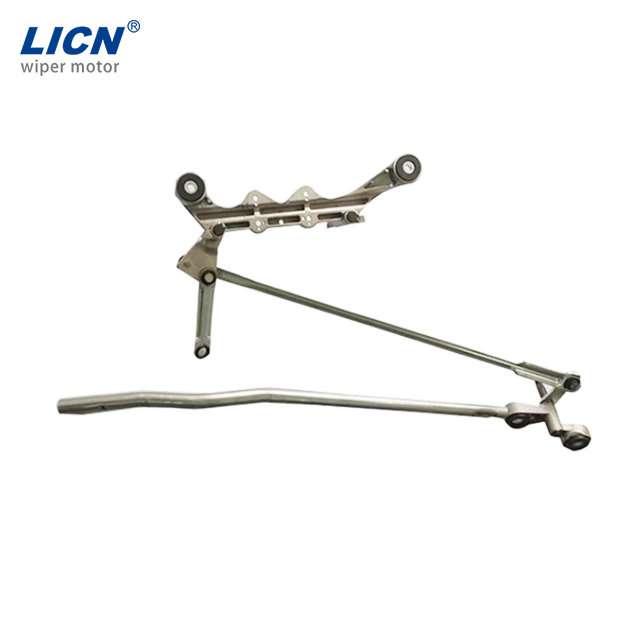
Understanding the individual parts of a wiper linkage system is essential for grasping how they work together to ensure effective windshield cleaning. Let’s dive into each component and its specific role.
Levers are pivotal in the wiper linkage as they facilitate the transfer of motion from the motor to the wiper arms. Typically, a wiper linkage includes two to three levers arranged in a "scissor" structure. This design allows for efficient movement and ensures that the wipers cover a wide area of the windshield. The levers convert the rotary motion of the motor into the back-and-forth motion needed for wiping. Their robust construction is crucial for handling the stresses during operation.
Links serve as connectors between the levers and the wiper arms. They play a vital role in ensuring that the wipers move in sync with the levers. The design of these links is essential for effective movement; they must be lightweight yet strong enough to withstand the forces applied during operation. Many manufacturers opt for lightweight plastic options, which enhance efficiency by reducing the overall weight of the system. This choice helps improve the responsiveness of the wipers.
The pivot shaft assembly is another critical component, allowing for multi-angle rotation of the wiper arms. It connects the wiper arms to the linkage, enabling them to move across the windshield. Some assemblies incorporate oscillating cranks, which enhance the movement pattern of the wipers. This feature allows for a more effective cleaning action, ensuring that water and debris are cleared efficiently. The pivot shaft's design must also accommodate various angles, ensuring flexibility in operation.
● Reset Mechanism
The reset mechanism plays a crucial role in returning the wipers to their initial position after operation. Many modern systems use Hall sensors to detect the wipers' position accurately. This functionality ensures that the wipers do not remain in the way when not in use, enhancing driver visibility.
● Ball Joints and Hinges
Ball joints and hinges are essential for allowing flexible rotation of the wipers. Typically made from materials like nylon or galvanized steel, these components are designed to prevent long-distance deformation. Their durability ensures that the wipers can operate smoothly over time, adapting to the movements required during operation.
● Support Arms and Fixed Brackets
Support arms and fixed brackets provide structural integrity to the wiper linkage. They prevent deformation of the system under stress, ensuring reliable performance. Manufacturers often use reinforced metals for these components, enhancing their strength and durability. This choice is vital for maintaining the overall reliability of the wiper system.
Component | Function | Material Characteristics |
Levers | Transfer motion from motor to wipers | High-strength steel |
Links | Connect levers to wiper arms | Lightweight plastic options |
Pivot Shaft Assembly | Allows multi-angle rotation | Durable steel with oscillating cranks |
Reset Mechanism | Returns wipers to initial position | Hall sensors for accurate positioning |
Ball Joints and Hinges | Enable flexible rotation | Nylon or galvanized steel |
Support Arms and Fixed Brackets | Prevent deformation | Reinforced metals |
Each component of the wiper linkage system plays a crucial role in ensuring effective and reliable operation. By understanding these parts, we can appreciate the engineering behind this essential vehicle feature.
Wiper linkage systems are not one-size-fits-all; they vary significantly across different vehicle types. Each category of vehicle has unique requirements that influence the design and components of the wiper linkage. Let’s explore how these components differ among sedans, SUVs, trucks, and commercial vehicles.
When comparing wiper linkages across vehicle types, several factors come into play, including size, weight, and intended use.
● Sedans
In sedans like the Volvo XC90 and Audi Q7, the wiper linkage typically features a compact design. These vehicles often use lightweight materials, such as reinforced plastics and high-strength steel. The components are optimized for efficiency and minimal noise, ensuring a smooth operation at various speeds. The linkage usually consists of two to three levers arranged in a scissor-like structure, allowing for effective wiping across the windshield.
● SUVs and Trucks
SUVs and trucks require more robust wiper linkages due to their larger windshields and higher driving positions. These vehicles often feature heavier-duty components that can withstand greater forces. The wiper linkages may include additional levers and links to accommodate the increased surface area. For instance, a truck’s linkage might utilize thicker steel and reinforced joints to ensure durability under challenging conditions, such as off-road driving.
● Commercial Vehicles
In commercial vehicles like Yutong buses, the design of wiper linkages becomes even more specialized. These vehicles often have larger windshields, necessitating multi-stage designs in their linkage systems. This design allows for a broader range of motion and better coverage. The components must be robust enough to handle the demands of constant use, often incorporating heavy-duty materials to ensure longevity.
One of the standout features in commercial vehicle wiper linkages is the multi-stage design. This design is specifically tailored to accommodate larger windshields found in buses and other commercial vehicles.
● Multi-Stage Designs
Multi-stage wiper systems can have several pivot points and linkages, allowing for a more complex and effective wiping action. This design ensures that the wipers can cover a larger area without leaving blind spots, which is crucial for safety and visibility. The use of advanced materials and engineering techniques in these designs helps maintain efficiency while handling the larger dimensions of commercial windshields.
Vehicle Type | Key Features | Material Characteristics |
Sedans | Compact design, lightweight components | Reinforced plastics, high-strength steel |
SUVs and Trucks | Robust construction, additional levers | Thicker steel, reinforced joints |
Commercial Vehicles | Multi-stage designs for larger windshields | Heavy-duty materials for durability |
By understanding these variations, we can appreciate how wiper linkage systems are engineered to meet the diverse needs of different vehicles. Each design choice reflects the vehicle's intended use and the challenges it may face on the road.
When discussing wiper linkage systems, it's essential to understand the specific components that are used in various vehicle models. Original Equipment (OE) numbers are crucial for identifying these parts, ensuring compatibility and performance. Let’s take a closer look at some notable examples and their OE numbers.
Knowing the OE numbers for wiper linkage parts helps in sourcing the correct components for repairs or replacements. Here are examples from popular vehicle models:
○ OE Number: 8659968
The wiper linkage for the Volvo XC90 is designed to provide precise movement and durability, essential for this luxury SUV. The linkage's robust construction ensures effective clearing of the windshield, enhancing visibility in various weather conditions.
● Audi Q7
○ OE Number: 4L1 955 023
The Audi Q7 features a sophisticated wiper linkage system, which is integral to its advanced design. The OE number 4L1 955 023 identifies parts that are specifically engineered for optimal performance, ensuring that the wipers operate smoothly and efficiently.
Using Original Equipment Manufacturer (OEM) parts is crucial for specific vehicle models. For instance, vehicles like the Honda Accord and Civic have unique wiper linkage designs that require exact matching components.
● Benefits of OEM Parts
○ Precision Fit: OEM parts are manufactured to the exact specifications of the original components, ensuring a perfect fit.
○ Reliability: These parts meet the same quality standards as those installed during production, providing peace of mind regarding performance and longevity.
○ Warranty Protection: Using OEM parts often helps maintain the vehicle's warranty, as it adheres to manufacturer guidelines.
Vehicle Model | OE Number | Importance of OEM Parts |
Volvo XC90 | 8659968 | Ensures durability and precise movement |
Audi Q7 | 4L1 955 023 | Optimizes performance for advanced designs |
Honda Accord/Civic | Varies | Critical for maintaining warranty coverage |
By recognizing these specific OE numbers and the importance of using OEM parts, vehicle owners can ensure their wiper linkage systems function optimally. This attention to detail not only enhances safety but also contributes to the overall longevity of the vehicle.
When it comes to wiper linkage systems, the quality of the components directly impacts performance and longevity. Choosing high-quality wiper linkage parts is essential for ensuring that your vehicle's wipers function effectively under various conditions. Let’s delve into the key advantages of investing in superior wiper linkage components.
Opting for high-quality wiper linkage parts brings several significant benefits. Here’s what you should know:
One of the standout features of quality wiper linkage components is their durability. Many of these parts come with a zinc coating, which provides excellent corrosion resistance. This coating helps protect the metal from rust and wear, especially in harsh weather conditions. As a result, you can expect a longer lifespan for your wiper system, reducing the need for frequent replacements.
● Key Benefits:
○ Extended Lifespan: High-quality materials resist wear and tear, ensuring they last longer.
○ Weather Resistance: Zinc-coated parts withstand rain, snow, and extreme temperatures better than lower-quality options.
Another advantage of premium wiper linkage components is the incorporation of self-lubricating materials. These materials significantly reduce friction between moving parts, leading to smoother operation. Less friction not only enhances performance but also minimizes noise during wiper operation, creating a more pleasant driving experience.
● Performance Enhancements:
○ Smoother Operation: Reduced friction translates to less wear on components.
○ Quieter Performance: Noise reduction contributes to overall comfort while driving.
High-quality wiper linkage parts are often designed to be compatible with a range of vehicle models. This versatility means you can find reliable replacement parts for different makes and types of vehicles, ensuring that you don’t have to compromise on quality for compatibility.
Feature | High-Quality Parts | Standard Parts |
Corrosion Resistance | Zinc coating for durability | Limited protection against rust |
Friction and Noise | Self-lubricating materials | Higher friction, more noise |
Compatibility | Fits multiple vehicle models | Often specific to one model |
Quality wiper linkage components are engineered to perform exceptionally well in extreme weather. Whether it's heavy rain, snow, or ice, these parts ensure that your wipers operate effectively, maintaining visibility and safety on the road.
● Enhanced Performance:
○ Reliable Operation: High-quality components prevent failures during critical moments.
○ Improved Visibility: Efficient wiper action keeps windshields clear, enhancing driver safety.
Investing in quality wiper linkage components not only improves the functionality of your vehicle's wipers but also contributes to a safer and more comfortable driving experience. By choosing parts that excel in durability, performance, and compatibility, you ensure that your wiper system meets the demands of any driving condition.
Proper installation and maintenance of your wiper linkage are crucial for ensuring optimal performance and longevity. Whether you're a DIY enthusiast or just looking to understand the process, this guide will walk you through each step and provide helpful tips to keep your wiper system in top shape.
Installing a wiper linkage system may seem daunting, but it can be straightforward if you follow these steps. Here’s a simple guide to help you through the installation process:
1. Gather Your Tools: Before starting, ensure you have all necessary tools on hand. This will save time and frustration.
2. Remove the Wiper Arms: Use a wrench to carefully detach the wiper arms from the linkage. Be gentle to avoid damaging the arms or the windshield.
3. Access the Linkage: Depending on your vehicle, you may need to remove the plastic cover on the wiper assembly. This usually involves unscrewing a few screws.
4. Detach the Old Linkage: Unbolt the old wiper linkage from its mounting points. Keep track of the screws and bolts for reinstallation.
5. Install the New Linkage: Position the new wiper linkage in place and secure it with the bolts you removed earlier. Ensure it is tightly fastened.
6. Reattach the Wiper Arms: Once the linkage is secured, reattach the wiper arms, making sure they are aligned correctly.
7. Test the System: Finally, turn on the wipers to ensure everything is working smoothly. Adjust if necessary.
Maintaining your wiper linkage is vital to ensure it operates effectively over time. Here are some practical tips to help you keep your system in good condition:
● Inspect Regularly: Check the wiper linkage for any signs of wear or damage at least once every few months. Look for rust, cracks, or loose connections.
● Clean the Components: Dirt and debris can accumulate on the linkage. Regularly clean the area with a damp cloth to prevent buildup.
● Lubricate Moving Parts: Apply a suitable lubricant to the moving parts of the linkage. This helps reduce friction and noise, enhancing performance.
● Replace Wiper Blades: Don’t forget to replace your wiper blades regularly. Worn blades can put extra strain on the linkage.
Maintenance Task | Frequency | Benefits |
Inspect linkage components | Every 3 months | Early detection of issues |
Clean the linkage area | Monthly | Prevents debris buildup |
Lubricate moving parts | Every 6 months | Reduces friction and noise |
Replace wiper blades | Every 6-12 months | Ensures effective wiping |
To make the installation and maintenance process easier, here’s a list of tools you’ll need:
● Socket Wrench Set: Essential for removing and tightening bolts.
● Screwdriver Set: Useful for removing any screws securing the wiper assembly cover.
● Pliers: Handy for gripping and twisting wires if necessary.
● Lubricant: A silicone-based lubricant works well for moving parts.
● Cleaning Cloth: Helps keep the area clean during maintenance.
By following these guidelines, you can ensure your wiper linkage remains in excellent working condition. Regular attention to installation and maintenance will enhance the performance of your wipers, providing clear visibility in all weather conditions.
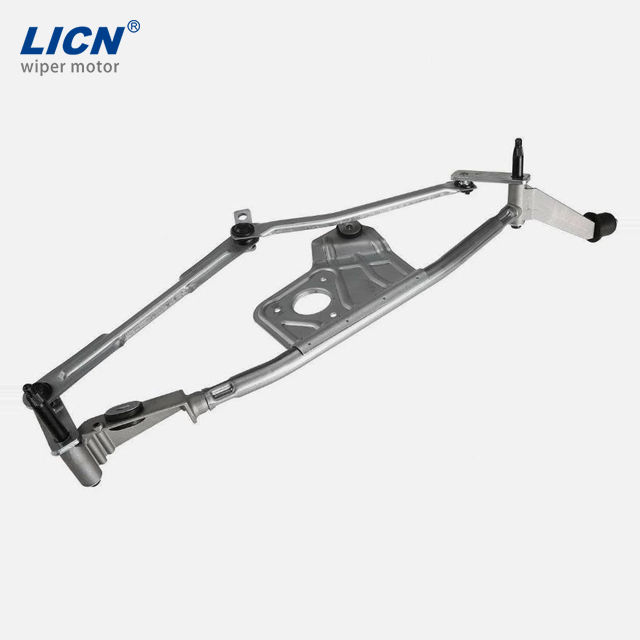
Wiper linkage systems play a crucial role in maintaining visibility during adverse weather conditions. However, like any mechanical system, they can experience problems over time. Understanding these issues, recognizing the signs of wear, and knowing how to troubleshoot can help keep your wipers functioning smoothly.
Several common issues can affect wiper linkage systems, leading to suboptimal performance. Here are some of the most frequent problems:
● Loose Connections: Over time, the bolts and screws that hold the wiper linkage in place can become loose. This can cause the wipers to operate erratically or not at all.
● Worn Bushings: The bushings that connect the linkage to the wiper arms can wear out, resulting in increased play and less effective wiping.
● Corrosion: Exposure to moisture can lead to rust and corrosion of metal components, which can hinder the wiper's movement.
● Misalignment: If the linkage is not properly aligned, it can cause uneven wiping or prevent the wipers from reaching the edges of the windshield.
Problem Type | Description | Symptoms |
Loose Connections | Fasteners may become loose over time | Wipers move erratically |
Worn Bushings | Bushings degrade, causing excessive play | Poor wiping performance |
Corrosion | Rust develops on metal parts | Stiff or stuck wipers |
Misalignment | Linkage not correctly positioned | Uneven wiping or missed spots |
Being aware of the signs of wear and tear can help you catch issues before they escalate. Here are some indicators to watch for:
● Inconsistent Wiping: If the wipers skip or fail to clear the windshield evenly, it may indicate a problem with the linkage or the bushings.
● Unusual Noises: Grinding or squeaking sounds when operating the wipers can signal that the linkage components are worn or misaligned.
● Wipers Not Moving: If the wipers refuse to move altogether, it could be due to a broken linkage or a disconnection somewhere in the system.
● Visible Damage: Inspect the linkage for any visible signs of damage, such as rust, cracks, or bent components.
When you notice any of these signs, it’s essential to troubleshoot effectively. Here’s how you can address common wiper linkage issues:
1. Check Connections: Start by inspecting all bolts and screws for tightness. Use a socket wrench to secure any loose connections.
2. Examine Bushings: Look for any signs of wear on the bushings. If they appear cracked or degraded, consider replacing them.
3. Assess for Corrosion: If you find rust on any metal parts, clean the area thoroughly and apply a rust inhibitor to prevent further damage.
4. Realign the Linkage: If the wipers are misaligned, carefully adjust the linkage to ensure proper positioning.
Preventive maintenance is key to avoiding wiper linkage issues. Here are some effective strategies to keep your system in good shape:
● Regular Inspections: Check the wiper linkage every few months for signs of wear. Early detection can save you from costly repairs later.
● Keep it Clean: Regularly clean the area around the wiper linkage to prevent dirt and debris buildup. A clean system operates more efficiently.
● Lubricate Moving Parts: Applying a suitable lubricant to the moving parts can reduce friction and wear, prolonging the lifespan of the components.
● Replace Wiper Blades: Don’t overlook the importance of good wiper blades. Replace them every 6 to 12 months to ensure optimal performance.
Maintenance Task | Frequency | Benefits |
Inspect linkage components | Every 3 months | Identifies issues early |
Clean the linkage area | Monthly | Prevents dirt buildup |
Lubricate moving parts | Every 6 months | Reduces friction and wear |
Replace wiper blades | Every 6-12 months | Ensures effective wiping |
By staying proactive about your wiper linkage maintenance, you can help ensure a clear view on the road, regardless of the weather conditions.
Understanding wiper linkage is crucial for vehicle safety. It ensures clear visibility during rain or snow.
Wiper linkage significantly impacts how effectively your wipers function. Regular maintenance and timely replacement of components are essential.
By taking care of your wiper system, you enhance driving safety and comfort. Don’t overlook the importance of this vital part of your vehicle.
A: Wiper linkage should be inspected every three months to catch any issues early.
A: Yes, you can replace wiper linkage yourself with basic tools and a little mechanical knowledge.
A: Signs include inconsistent wiping, unusual noises, wipers not moving, and visible damage to components.


