
Views: 0 Author: Site Editor Publish Time: 2025-12-16 Origin: Site


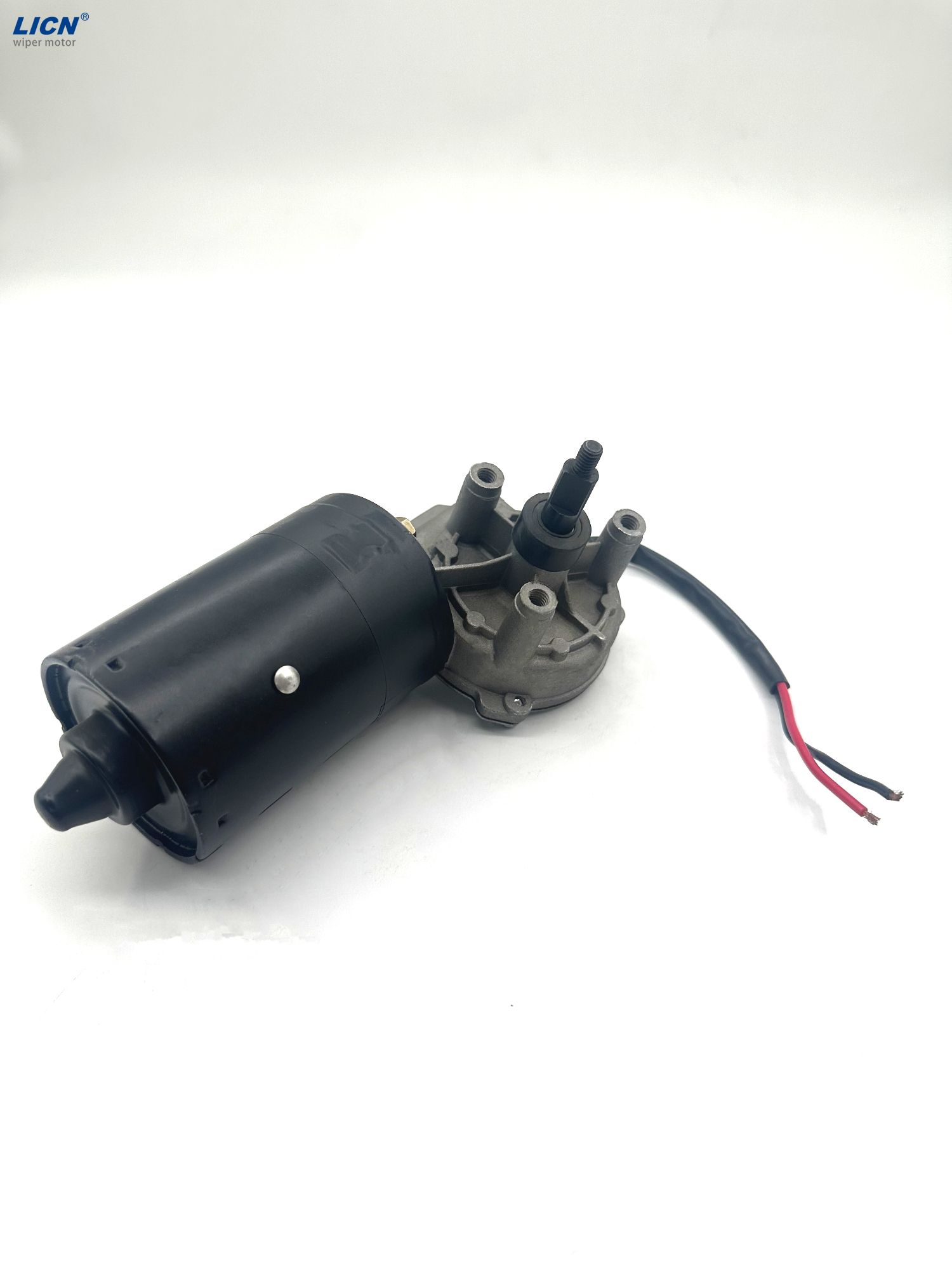
What makes a reduction gear motor stand out? It’s the torque—one of the most crucial performance indicators. Torque determines a motor's ability to drive heavy loads and maintain stability.
In this article, we’ll dive into how torque plays a key role in gear motors and how it impacts performance. You’ll learn about the factors that influence torque and how to select the right motor for your needs.
Torque refers to the rotational force that a motor generates to move or hold a load. It is measured in units like N·m (Newton-meters), kg·cm (kilogram-centimeters), or lb·ft (pound-feet).
In simple terms, torque is what enables motors to perform mechanical tasks, whether it's turning a wheel, driving a conveyor, or operating heavy machinery. It acts as a force that spins the motor's shaft, ultimately making the motor perform its intended function. The higher the torque, the greater the force applied by the motor to move or maintain the load in place.
Torque plays a vital role in determining a motor's load capacity. The higher the torque, the heavier the load it can drive or support. For example, in industrial equipment, gear motors with high torque can lift or move large, heavy objects more effectively than motors with low torque.
Additionally, torque is essential for ensuring stable operation. When motors have the right amount of torque, they can operate smoothly, minimizing strain on the motor and the connected machinery. This is particularly important in automation systems, automotive applications, and heavy-duty machinery, where maintaining efficiency and preventing failure are key.
Application | Torque Needed | Example Motor |
Light Loads | Low Torque (5-15 N·m) | LICN 30W LC-ZD176 |
Medium Loads | Medium Torque (15-30 N·m) | LICN 50W Versatile Motor |
Heavy Loads | High Torque (30-50 N·m) | Nidec 402 743 DC Gear Motor |
Reduction gearboxes are designed to increase the torque of a motor. The key to this lies in the gear ratio. When a motor drives a reduction gearbox, the reduction ratio changes the relationship between speed and torque. Higher gear ratios, like 100:1, multiply the torque significantly. A motor with a 100:1 gear ratio produces 100 times more torque than a motor without a gearbox, albeit at a slower speed.
The design and quality of the gears also affect how effectively torque is amplified. High-grade materials used in gearboxes, such as metal alloys, ensure less energy loss, allowing the motor to maintain higher torque even under heavy load conditions. Additionally, a well-engineered gearbox can distribute torque more evenly, improving the motor's overall performance and lifespan.
Gear Ratio | Effect on Torque | Speed Reduction |
10:1 | Torque increases 10x | Speed reduced by 10x |
100:1 | Torque increases 100x | Speed reduced by 100x |
In conclusion, understanding how torque is defined, its importance in motor performance, and how gearboxes amplify it is crucial when selecting reduction gear motors for different applications. Torque directly influences the motor's capability to handle various loads and operate efficiently over time.
The power and voltage of a motor are directly linked to the amount of torque it can generate. Power, measured in Watts, defines the motor's energy output, while voltage, measured in Volts, determines the electrical pressure that drives the motor. The more power and voltage a motor has, the higher the torque it can produce.
For heavy-load applications, higher voltage motors are essential. Motors with greater voltage levels provide the electrical force needed to move heavier loads with higher efficiency. For instance, a 24V motor can generate significantly more torque than a 12V motor of the same power. This is why high-torque gear motors, often used in industrial machinery, typically operate at 24V or higher.
Voltage | Power (Watts) | Typical Torque Output |
12V | 50W | Low Torque (5-10 N·m) |
24V | 120W | Medium Torque (10-25 N·m) |
48V | 150W | High Torque (30-50 N·m) |
The gear ratio is one of the most crucial factors that amplify torque in reduction gear motors. A higher gear ratio means that the motor will rotate the output shaft slower, but with increased force. For example, a gear ratio of 100:1 means that the output shaft will turn 100 times slower than the motor's input, but with 100 times more torque.
This relationship helps make the motor more effective for tasks that require slow, powerful movement, such as in industrial machinery or automotive applications. A high gear ratio reduces the speed of the motor but significantly increases the torque, which is especially useful for heavy-load operations.
Gear Ratio | Effect on Torque | Speed Reduction |
10:1 | Torque x 10 | Speed ÷ 10 |
50:1 | Torque x 50 | Speed ÷ 50 |
100:1 | Torque x 100 | Speed ÷ 100 |
The materials used in a motor’s construction play an essential role in optimizing torque performance. High-quality materials like metal alloys reduce energy loss, ensuring that the torque generated by the motor is efficiently transferred to the load. These materials help withstand the stresses and strains placed on the motor, particularly in heavy-duty applications.
Additionally, the design of the motor impacts its torque performance. Compact designs, often found in space-constrained environments, still manage to deliver impressive torque outputs due to efficient engineering of the gearbox and motor components. A well-designed motor with durable materials can provide consistent torque even in challenging conditions.
Material | Impact on Torque | Example Motor |
Steel Alloy | Reduces energy loss, withstands high stress | LICN 120W Wiper Motor |
Aluminum | Lightweight, yet less efficient for high torque | Nidec 304.380 DC Motor |
Titanium | Strong, lightweight, ideal for high torque demands | Bosch 304.617 Garage Door Opener |
Tip: By considering these factors—power, voltage, gear ratio, and materials—manufacturers can design reduction gear motors that meet specific torque needs across different applications.
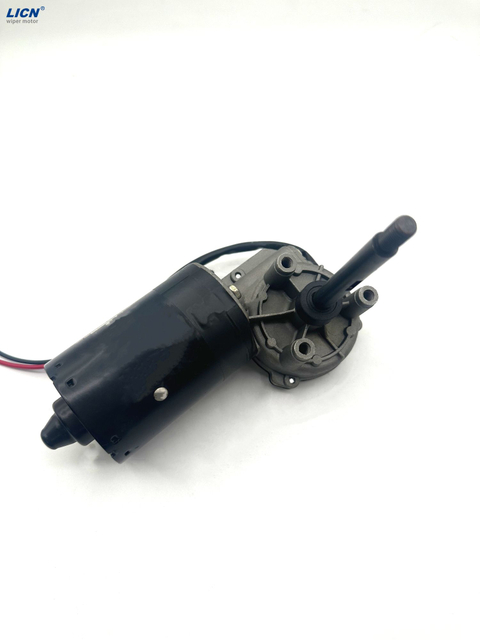
LICN offers a wide range of gear motors with varying torque outputs to meet the needs of different industries. For example, their 30W model typically delivers low torque, around 5-10 N·m, making it ideal for small machinery or precision tools. The 50W model, with adjustable torque (10–25 N·m), is perfect for automotive accessories or industrial conveyors. On the other hand, the 120W model provides high torque (25–40 N·m), suitable for heavy-duty applications like construction equipment.
LICN also offers customization options, allowing users to adjust the torque based on voltage and gear ratios. This flexibility ensures that the motor can be tailored for specific load requirements, providing optimal performance for different tasks.
Model | Power | Torque Output | Best Suited For |
LICN 30W LC-ZD176 | 30W | 5–10 N·m | Small engineering equipment |
LICN 50W Versatile Motor | 50W | 10–25 N·m | Automotive, conveyors |
LICN 120W Wiper Motor | 120W | 25–40 N·m | Heavy-duty construction |
Nidec’s gear motors are renowned for their high torque capabilities, especially in 24V DC models like the 402 743. These motors typically produce torque between 30–50 N·m, making them ideal for applications that require consistent, heavy-load performance, such as automation and conveyor systems. Nidec focuses on providing motors that can handle repetitive tasks while maintaining high efficiency and durability.
The 402 743 model, in particular, is engineered to work well in automated systems, where precision and consistent torque are critical for operational efficiency.
Model | Voltage | Torque Output | Best Suited For |
Nidec 402 743 | 24V | 30–50 N·m | Automation, conveyors |
Bosch’s approach to torque in its gear motors is centered around reliability and long-term performance. For instance, the Bosch 304.617 model, used in garage door openers, offers torque optimized for lifting and lowering heavy doors under varying weight conditions. This motor typically provides torque in the range of 20–30 N·m.
Bosch focuses on creating motors that not only deliver sufficient torque but also ensure smooth operation over extended periods. This makes their motors a preferred choice for residential and commercial automation systems.
Model | Voltage | Torque Output | Best Suited For |
Bosch 304.617 | 24V | 20–30 N·m | Garage door openers |
GreatWall’s gear motors are designed specifically for automotive applications. Their TDM 12V Transfer Case Motor, for example, delivers torque in the range of 18–25 N·m. This motor is used in automotive transfer cases, ensuring stable power transmission in off-road and heavy-duty vehicles. With the increasing demand for robust motors in automotive applications, GreatWall focuses on producing torque that can handle the high stress and unique requirements of off-road driving.
Model | Voltage | Torque Output | Best Suited For |
GreatWall TDM 12V Transfer Case | 12V | 18–25 N·m | Automotive transfer cases |
These competitors provide a wide range of torque specifications, each tailored to meet the demands of different industries, from small machinery to heavy-duty automotive systems. Whether you need a motor for precision work or for handling high loads, these brands offer options that can be customized for various applications.
For light load applications, such as small machinery, precision tools, and light automotive accessories, you don’t need extremely high torque. Motors within the range of 5–15 N·m are perfect for these tasks. These motors are typically used in devices where efficiency and compactness are crucial, such as small engineering equipment, robotics, and consumer products like electric window lifts.
Motors like LICN's 30W LC-ZD176 or Nidec’s 304.380 offer the necessary torque for these applications without overcomplicating the system.
Model | Power | Torque Output | Best Suited For |
LICN 30W LC-ZD176 | 30W | 5–10 N·m | Small machinery, precision tools |
Nidec 304.380 | 24V | 15–20 N·m | Light automotive accessories |
For medium load applications, such as conveyors, mid-sized industrial equipment, and automotive systems, you'll need motors with torque in the range of 15–30 N·m. These motors strike a balance between speed and torque, making them perfect for repetitive tasks in factories or warehouses, where moderate loads need to be moved consistently.
Motors like LICN’s 50W Versatile Gear Motor and Bosch’s 304.617 model are great choices for this range. They offer enough torque to handle medium-sized operations without being too large or too small.
Model | Power | Torque Output | Best Suited For |
LICN 50W Versatile Motor | 50W | 10–25 N·m | Automotive, conveyors |
Bosch 304.617 | 24V | 20–30 N·m | Garage door openers |
Heavy load applications require motors with high torque capabilities, typically between 30–50 N·m. These motors are designed for tasks like construction machinery, heavy-duty industrial equipment, and high-torque automation systems. They provide the power needed for demanding tasks that require slow, controlled movements under significant load.
The LICN 120W Wiper Motor and Nidec 402 743 are excellent options in this category, offering high torque for handling tough industrial applications.
Model | Power | Torque Output | Best Suited For |
LICN 120W Wiper Motor | 120W | 25–40 N·m | Heavy-duty construction |
Nidec 402 743 | 24V | 30–50 N·m | Industrial conveyors |
Sometimes, off-the-shelf motors don’t meet the specific needs of your application. In such cases, selecting a motor with customizable torque is key. Many manufacturers, like LICN, offer motors where you can adjust the torque based on voltage and gear ratio. This customization ensures that the motor delivers the right amount of power for unique requirements, whether you need to handle varying load sizes or operate in space-constrained environments.
For example, if your application requires more torque for a short period, such as a motorized system that occasionally lifts heavy objects, a motor with customizable torque allows you to meet that need without overspending on unnecessary features.
Model | Customization Options | Best Suited For |
LICN 50W Versatile Motor | Adjustable torque, voltage | Industrial, automotive |
Nidec 402 743 | Adjustable gear ratios | Heavy-duty automation |
Choosing the right torque involves understanding the specific needs of your application. Whether it’s a light, medium, or heavy load, or a unique custom requirement, there are gear motors available to meet your needs.
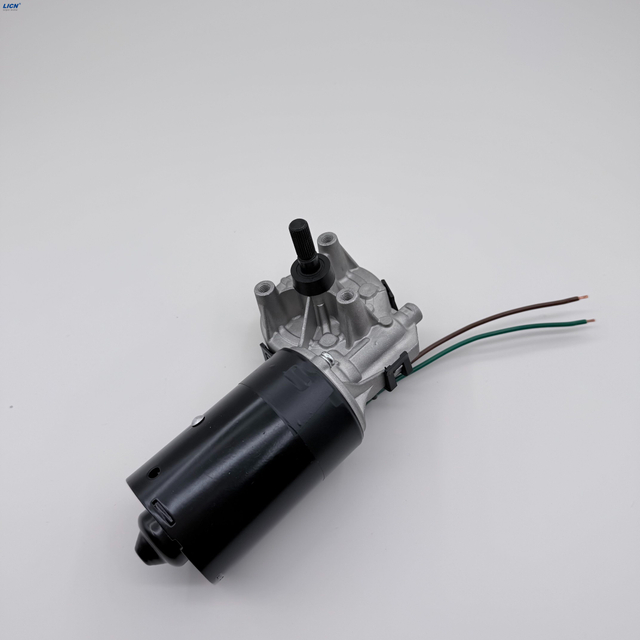
One of the key advantages of LICN gear motors is their ability to offer torque customization. This flexibility allows LICN to cater to a wide variety of industrial needs. Whether it's adjusting the torque output based on voltage or fine-tuning gear ratios, LICN ensures that its motors deliver just the right amount of torque for specific tasks. This feature is particularly useful for applications where load requirements vary or when precise control is necessary.
In comparison, Nidec and Bosch focus on precision torque control, especially in automation systems. Nidec’s gear motors, like the 402 743, are designed for repetitive tasks where consistent torque is crucial for maintaining efficiency and reliability. Their motors use advanced gear designs that allow for smooth, steady torque, making them ideal for conveyor systems and similar applications.
Bosch also incorporates precision control in their gear motors, especially for use in garage door openers and other automation systems. Bosch’s models, like the 304.617, are known for their ability to handle fluctuating load demands while maintaining consistent torque delivery, ensuring smooth and reliable performance over long periods.
Brand | Model | Customization Options | Best Suited For |
LICN | 50W Versatile | Adjustable torque, voltage | Industrial, automotive |
Nidec | 402 743 | Precision torque control | Automation, conveyors |
Bosch | 304.617 | Precise torque handling | Garage door openers |
Reliability and long-term performance are critical factors when choosing a reduction gear motor, especially for high-torque applications. Motors that are expected to run continuously or under heavy load need to be durable and dependable over time.
LICN, Nidec, and Bosch all ensure that their motors are built for reliability. LICN's 120W Universal Wiper Motor, for example, is designed to handle heavy-duty applications without compromising torque delivery. Their motors are engineered to provide stable performance even in harsh operating conditions, which makes them suitable for industries where downtime is costly.
Nidec’s motors, like the 402 743, are built for automation and heavy-load applications. Nidec places a strong emphasis on the longevity of its products, ensuring that its motors can handle constant use while maintaining high torque output. These motors are often found in industries where consistent performance is essential, such as packaging or material handling.
Bosch’s gear motors, particularly the 304.617 model, are designed to provide long-term performance in residential and commercial automation. Bosch ensures that their motors maintain torque output over years of use, making them a trusted choice for garage door openers and other systems that require reliable operation over extended periods.
Brand | Model | Reliability Features | Best Suited For |
LICN | 120W Wiper | Built for heavy-duty conditions | Construction equipment |
Nidec | 402 743 | High reliability for automation | Material handling |
Bosch | 304.617 | Long-term torque performance | Garage door systems |
Each of these brands offers distinct advantages in torque customization and reliability. LICN provides flexibility in torque adjustment, Nidec focuses on precision in automation, and Bosch ensures long-lasting, stable torque for various applications. Depending on your specific needs, these factors will help guide your choice of gear motor.
Torque is a key factor in the performance of reduction gear motors, influencing their ability to handle various load sizes. Understanding power, voltage, gear ratio, and design is essential when selecting the right motor. For industrial, automotive, or automation applications, it’s crucial to consider torque specifications. LICN offers customizable torque options to meet unique application needs, providing high-quality motors designed for efficiency and reliability across industries.
A: The torque of a Reduction Gear Motor is the rotational force it generates, typically measured in N·m, kg·cm, or lb·ft, and it depends on the motor's power, voltage, and gear ratio.
A: The gear ratio amplifies torque by slowing down the motor’s output speed. A higher gear ratio, like 100:1, increases torque but reduces speed.
A: Torque is essential for determining the motor's ability to handle different loads. It ensures stable operation, especially in heavy-duty applications like automation and construction.
A: Choose the right motor based on your load requirements. For light loads, motors with 5-15 N·m of torque are suitable, while heavier loads may require motors with 30-50 N·m.


