
Views: 0 Author: Site Editor Publish Time: 2026-03-02 Origin: Site


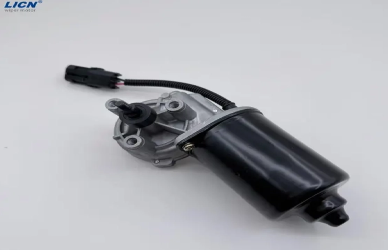
A Wiper Motor is the power unit behind a vehicle’s windshield wiper system. It converts electrical energy into rotational motion, then—through gear reduction and a linkage—turns that rotation into the familiar back-and-forth sweep that clears water, snow, and debris. When people ask about a wiper motor’s “speed,” they’re usually talking about the wiping rate on the windshield (how fast the blades sweep), not just the motor’s internal RPM. Understanding the speed range matters for safety and design: too slow and visibility suffers in heavy rain; too fast and the system can chatter, overload, or wear faster. In this article, we’ll break down what determines a Wiper Motor’s speed range, what “typical” ranges look like, and why the real-world speed you see can change.
Most passenger vehicles use 12V electrical systems, while many commercial vehicles use 24V. Voltage influences how much power the motor can deliver and how the motor behaves under load, but it doesn’t automatically mean “twice the speed.” The final wiping speed is the result of the motor design (winding, magnet strength, commutation), the control method (resistor/relay or electronics), and how the system is geared. A properly designed Wiper Motor must maintain stable speed across a wide range of conditions, including engine-off battery voltage dips, alternator charging voltage, and temperature changes.
A Wiper Motor typically spins faster internally than the blades can safely move. The system uses a gearbox to reduce motor RPM and increase torque, then uses a crank arm and linkage to create oscillating motion. This means two wiper motors with similar electrical ratings can produce very different wipe speeds if they use different gear ratios or linkages. The linkage geometry also affects how fast the blade moves across different parts of the windshield—wipers often move faster mid-sweep and slow slightly near the reversal points.
In many vehicles, low speed is designed for light to moderate rain and everyday visibility. In practical terms, drivers experience low speed as a steady rhythm that clears water without excessive noise or vibration. Low speed must also handle normal friction from the blades and windshield, plus occasional added load from water drag. Designers aim for a wipe rate that feels smooth, avoids skipping, and doesn’t overload the motor when the windshield is partially dry.
High speed is intended for heavy rain, spray, or slushy conditions where the windshield needs faster clearing. High speed demands more torque because the blades face higher fluid resistance and can encounter heavier debris. A good Wiper Motor and gear train are designed so high speed remains consistent without dramatic slowdowns. In freezing conditions, however, even high speed may struggle if the blades are stuck or the linkage is iced, which is why overload protection and proper mechanical design are important.
Traditional systems often achieve two speeds through switching circuits that alter the effective voltage or current path using resistors and relays. Intermittent wiping usually doesn’t change the motor’s internal speed—rather, it cycles the motor on and off using a timer module, allowing single sweeps with pauses between them. The key takeaway: intermittent mode affects frequency of wiping, while low/high modes affect continuous sweep speed.
Modern vehicles commonly integrate the Wiper Motor with body control modules, rain sensors, and smarter switching logic. An ECU can adapt wiping behavior based on rain intensity, vehicle speed, or sensor feedback. Some systems vary the interval dynamically or adjust speed in response to load, aiming for consistent windshield clearing while protecting the motor. This can create a broader “effective speed range” in real driving than a simple two-speed switch.
The wiping speed you observe can drop if the motor is under extra load. Worn blades, a dry windshield, heavy mud, or high water drag can all increase friction. Linkage wear or misalignment can also add resistance. When resistance increases, the motor draws more current, produces more heat, and may slow if the system reaches its torque limit. This is why a motor that seems “fine” on a wet windshield can feel sluggish when the glass is nearly dry or contaminated.
Cold weather is a major variable. Low temperatures can stiffen grease inside the gearbox, increase friction at pivots, and make rubber blades less flexible. Ice buildup can nearly lock the mechanism. In hot climates, heat can thin lubrication and affect long-term wear, but short-term speed changes are usually more noticeable in cold conditions. A well-designed system maintains usable performance across temperature swings, but real-world speed will still vary more in winter than summer.
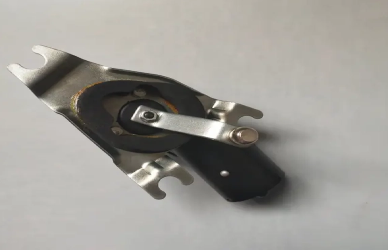
Front Wiper Motors usually need higher torque and often support two speeds plus intermittent modes. They move larger blades and must clear a broader area at higher reliability expectations. Because the front windshield is the primary visibility surface, front systems are typically engineered with a wider operating envelope, including better performance under load.
Rear wipers tend to be smaller, with shorter blades and simpler linkages. Many rear systems use a single continuous speed plus intermittent control. The required wipe rate can be lower because the rear window’s role is secondary and the wiped area is smaller. That said, rear systems can face heavy contamination (spray, road grime), so torque still matters even if speed options are fewer.
Passenger cars prioritize comfort (low noise, smooth reversal), while commercial vehicles may prioritize durability and sustained operation. Off-road, agricultural, or specialty vehicles may need stronger torque to handle dust, mud, and frequent wiping under harsh conditions. If you’re selecting a Wiper Motor for a custom application, define the required wipe frequency, blade size, and expected environmental load first—speed alone is not enough.
Pushing for higher speed without enough torque margin can cause slowdowns, overheating, and early wear. A robust design balances a practical wipe rate with sufficient torque and thermal capability. Gear ratio selection is crucial: too aggressive and the system may stall under load; too conservative and the wipe rate may feel inadequate in heavy rain. The best choice delivers stable speed and reliable clearing performance.
The numbers below are general industry-style ranges for how drivers perceive wiping performance; exact values vary by vehicle design, blade length, and linkage geometry.
Mode / System Type | Typical Wipe Frequency (sweeps per minute) | Common Use Case |
Intermittent (front) | ~5–20 (depends on interval setting) | Light mist, occasional spray |
Low speed (front) | ~30–45 | Normal rain, steady driving |
High speed (front) | ~50–70 | Heavy rain, high spray conditions |
Rear wiper (typical) | ~25–45 (often single speed) | SUVs/hatchbacks rear visibility |
The internal motor can spin much faster than the wiper output—often in the thousands of RPM—then the gearbox reduces it to a safe output speed. The exact value depends on motor design and target wipe rate.
In many systems, speed is primarily set by the gearbox ratio and control electronics. Minor changes may be possible through the control module (if supported), but major speed changes usually require a different motor/gearbox design.
Heavy rain increases water drag, and contaminants raise friction. If the system is near its torque limit—due to aging blades, stiff linkages, or low voltage—the motor may slow under load.
They can. Commercial vehicles may use different voltage systems (often 24V), heavier linkages, and motors tuned for durability and torque. The perceived wipe speed may be similar, but the load capability and duty performance are often higher.
The “speed range” of a Wiper Motor isn’t a single fixed number—it comes from the motor’s electrical design, gear reduction, linkage geometry, and the control strategy. Most vehicles combine intermittent wiping with low and high continuous modes, covering everything from light mist to heavy rain or spray. When evaluating or selecting a motor, look beyond speed alone and consider wipe frequency, torque margin under worst-case loads, environmental conditions, and whether control is simple switching or sensor-based, since the right match ensures stable clearing, quiet operation, consistent sweep timing, and long service life in real driving, while also reducing overheating risk and improving reliability during cold starts and high-friction situations, especially with larger blades, heavier linkages, or frequent stop-and-go use, where voltage drops and added drag can slow the sweep.


