
Views: 0 Author: Site Editor Publish Time: 2026-02-26 Origin: Site


Wiper Arm & Blade components may look simple, but they are engineered to survive harsh outdoor conditions while delivering clean, streak-free visibility. From summer heat and UV exposure to winter ice, salt spray, and road grime, the materials used in the wiper system directly affect wiping performance, noise, corrosion resistance, and service life. A good material choice helps the arm maintain steady pressure and alignment, while the blade’s rubber or polymer edge stays flexible enough to wipe smoothly without chattering. Below is a practical breakdown of the most common materials used in Wiper Arm & Blade assemblies and how each contributes to real-world performance.
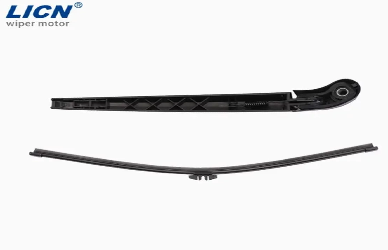
The wiper arm is the structural link between the wiper motor mechanism and the blade. Its job is to hold the blade at the right angle and apply consistent spring force against the windshield. Because it is exposed to weather, vibration, and mechanical stress, the arm material must be strong, fatigue-resistant, and well-protected against corrosion. Most arms also include joints, hinges, springs, and mounting features that must resist wear while maintaining stable pressure across thousands of cycles.
The wiper blade is where the wiping actually happens. Depending on design, it may have a traditional metal frame or a streamlined “beam” structure that distributes pressure more evenly. The most critical material is the wiping element—the rubber or polymer edge that contacts glass. It must resist ozone, UV, temperature swings, and chemical exposure from washer fluid while maintaining flexibility. Adapters, end caps, and sometimes spoilers add fitment compatibility and aerodynamic stability, and these parts require UV-stable plastics that won’t crack over time.
Stamped or formed steel is the most common wiper arm material because it offers high strength at a cost-effective price. Steel arms provide rigidity to keep the blade stable at speed and to maintain consistent wiping pressure. Since bare steel rusts easily, it almost always receives protective coatings (discussed below). Stainless steel is used less often due to higher cost, but it can be chosen when corrosion resistance is a priority—such as coastal climates, heavy winter salt exposure, or demanding commercial applications. Even with stainless, manufacturers often apply surface finishes for appearance and additional protection.
Aluminum alloys are used in some wiper arm designs to reduce weight while improving natural corrosion resistance. A lighter arm can help reduce inertia and vibration, which may improve smoothness and reduce wear in the linkage. However, aluminum requires careful design to maintain stiffness and prevent deformation under load. It also benefits from surface treatments—such as anodizing or coating—to enhance scratch resistance and appearance. Aluminum arms are more common in designs where weight and corrosion resistance justify the added material and manufacturing considerations.
Because wiper arms face constant weather exposure, coatings are essential. E-coating (electro-deposition) is widely used for uniform coverage, including hard-to-reach edges and internal areas where corrosion can begin. Powder coating provides a durable external layer that resists chipping and offers consistent color and finish. Traditional paint systems can also be effective when paired with proper pretreatment, but durability depends heavily on process quality. These coatings protect against rust, improve appearance, and help the arm maintain long-term structural integrity.
Beyond basic coating, wiper arms often need enhanced resistance to road debris and salt spray. Anti-chip layers help prevent small impacts from exposing bare metal, which can become a corrosion starting point. Edge protection is especially important because sharp stamped edges are vulnerable to coating thinning. In severe climates, better coating systems and corrosion-resistant hardware can noticeably extend service life and keep the arm from binding at joints due to rust buildup.
Traditional bracket-style wiper blades typically use steel frames with multiple pivot points. Steel provides strength and helps maintain clamping force over the rubber element. The frame itself often receives anti-corrosion coating because it is exposed to water and road contaminants. While older designs can be noisier and may distribute pressure less evenly on curved windshields, metal-frame blades remain common due to affordability and broad compatibility.
Beam blades are designed to deliver more even pressure and improved aerodynamics. Many use spring steel as a flexible backbone that “wraps” the blade to the windshield shape while maintaining consistent contact. Some designs incorporate composite materials to reduce weight and improve corrosion resistance. Beam structures typically have fewer exposed joints, which can reduce ice buildup and improve winter performance. The material goal is a stable, flexible structure that maintains smooth wiping at both low and highway speeds.
The wiping element is commonly made from rubber compounds engineered for outdoor durability. Natural rubber can be flexible and wipe well, but it may degrade faster under UV and ozone exposure. EPDM (ethylene propylene diene monomer) is widely used in automotive sealing and wiper applications because it offers stronger resistance to ozone, UV, and weathering. Many modern blades rely on EPDM or blended compounds to balance flexibility, abrasion resistance, and longevity.
To reduce friction and noise, wiper elements may use surface treatments like graphite coating, which helps the blade glide smoothly and reduces chatter. Silicone-based blades or silicone-infused coatings can offer long life and water-repellent behavior, but performance depends on compound quality and windshield condition. Advanced formulations aim to maintain a consistent wiping edge, resist hardening in cold weather, and avoid smearing in heat. Material quality here is often the difference between quiet, clean wiping and annoying squeaks or streaks.
Modern blades often include plastic adapters to fit different arm styles (hook, pin, bayonet, etc.). These parts are typically made from engineering plastics such as reinforced nylon or similar polymers selected for strength, UV resistance, and dimensional stability. End caps keep the wiping element secured and protect internal structure from water entry. Spoilers—often integrated into beam blades—use plastics that must remain stable in heat and sunlight while resisting cracking from cold impacts.
Small metal components matter more than most people expect. Springs may use high-carbon steel or stainless steel, depending on corrosion requirements. Rivets, pins, and inserts are frequently treated or made from corrosion-resistant alloys to prevent seizure. If these small parts rust or wear, the blade may lose proper pressure distribution or develop looseness that causes noise, vibration, and uneven wiping.
Heat and UV accelerate rubber aging, causing hardening and cracking that leads to streaks. Cold weather stiffens rubber and can thicken grease in moving joints, increasing friction and chatter. Salt spray and moisture attack exposed metal surfaces and can seize pivots or degrade frame integrity. Choosing EPDM-based wiping elements, durable coatings, and corrosion-resistant hardware is especially important in coastal regions and snowy climates where de-icing chemicals are common.
Passenger cars often prioritize quiet performance and smooth wiping, making beam blades with refined rubber compounds popular. Commercial fleets may prioritize durability and cost-per-mile, favoring robust frames and long-life wiping elements. Off-road, agricultural, or utility vehicles may require stronger corrosion resistance and protection from dust and debris. Matching Wiper Arm & Blade materials to the operating environment is the most reliable way to improve wiping consistency and extend replacement intervals.
Silicone can offer long life and smooth wiping, but quality varies. High-grade rubber (especially EPDM with good coating) can perform just as well, especially if windshield condition and fitment are correct.
Rust often starts where coating is damaged—chips, sharp edges, scratches—or where moisture sits around joints and fasteners. Poor surface preparation or thin coating at edges can also accelerate corrosion.
Common causes include hardened rubber, dirty or dry glass, incorrect arm pressure, misaligned blade angle, or high friction. A worn coating on the wiping edge can also increase noise.
Blades typically need replacement more frequently than arms. If blades streak, chatter, or show cracking, replace them. Arms usually last longer but should be replaced if corrosion, weak spring force, or joint wear affects wiping pressure and stability.
 Conclusion
A typical Wiper Arm & Blade system combines structural metals (steel, stainless steel, or aluminum) with protective coatings, plus blade structures made from steel or composite beams and wiping elements made from engineered rubber—often EPDM—with friction-reducing coatings like graphite or silicone. The best material combination depends on climate, driving conditions, and performance expectations. When metal parts resist corrosion and the wiping edge stays flexible and low-friction, you get cleaner visibility, less noise, and a longer-lasting wiper system.


