
Views: 0 Author: Site Editor Publish Time: 2026-06-19 Origin: Site


The wiper linkage acts as a critical, frequently ignored mechanical bridge. It securely connects the wiper motor directly to your wiper blades. Visibility often fails in severe storms exactly when this specific component breaks down. The motor consistently generates the necessary electrical power. However, the linkage entirely manages the actual synchronized mechanical movement across the glass. You need to understand its core function first. It represents the essential initial step for accurately diagnosing any windshield clearing failure. This knowledge also helps you confidently source a reliable replacement part later. This comprehensive guide will carefully break down the mechanical role of the assembly. We will thoroughly identify common verifiable failure symptoms. Finally, we will provide a clear framework for evaluating excellent replacement options.
Core Function: The wiper linkage converts the rotational energy of the wiper motor into the synchronized, back-and-forth oscillating motion required by the wiper arms.
Failure Indicators: Common signs of failure include asymmetrical blade movement, grinding noises, or a motor that audibly runs while the blades remain stationary.
Buying Criteria: Evaluating a replacement requires looking at bushing material quality, anti-corrosion coatings, and OEM-equivalent geometry to prevent premature wear.
Implementation Risk: DIY replacement is feasible but carries risks, such as damaging the vehicle’s plastic cowl or failing to properly index the wiper arms during reassembly.
Every vehicle relies on a functional Wiper System to maintain safe driving visibility. The linkage sits at the very heart of this system. It hides quietly beneath the plastic cowl at the base of your windshield. Many drivers assume the motor does all the complex work. In reality, the motor only performs one simple action. The linkage manages the complex geometry.
The linkage effectively acts as a mechanical transmission. The electric wiper motor outputs power in a continuous 360-degree circle. However, your wiper arms cannot spin in full circles. They must sweep back and forth across the glass. The linkage translates this circular energy into an oscillating motion. It uses a series of crank arms and push-pull rods to achieve this. As the motor spins, it pushes the primary rod outward. It then pulls it back inward. This converts rotation into the familiar sweeping action you see from the driver seat.
Modern vehicles use two distinct wiper blades. These blades must never crash into each other during operation. The linkage rods physically connect the driver side pivot to the passenger side pivot. This physical connection guarantees perfect tandem movement. When the motor moves one arm, the linkage instantly forces the other arm to move at the exact same speed. The internal pivot joints map out precise sweep angles. This careful synchronization entirely prevents dangerous mid-shield collisions. It ensures overlapping coverage without mechanical interference.
Wiping a dry windshield creates immense physical drag. Heavy rain or deep wet snow multiplies this resistance significantly. Rubber blades dragging across glass require substantial torque. The linkage structure distributes this heavy load across multiple pivot points. The metal rods absorb the flexing forces. The ball-and-socket joints manage the twisting tension. This clever distribution prevents the wiper motor from burning out under heavy strain. It allows the system to push pounds of heavy snow smoothly off the glass.
Mechanical parts degrade over time. The constant back-and-forth motion eventually wears down the internal ball joints. Water and debris also accelerate this wear. You must recognize the specific symptoms of failure early. Ignoring these signs usually leads to a complete loss of visibility during a storm.
The most obvious symptom is the "whirring motor" effect. You turn the wiper stalk on the steering column. You hear the electric motor humming cheerfully under the hood. Yet, the wiper blades rest completely motionless on the glass. This confirms a total mechanical disconnection. A transmission rod has likely snapped in half. Alternatively, the plastic bushings holding the ball joints together have disintegrated entirely. The motor spins its crank arm, but the energy never reaches the wiper pivots.
Worn joints introduce dangerous "slop" into the system. You might notice one blade traveling much further than the other. The driver side blade might violently strike the A-pillar on the side of the car. The passenger blade might stop awkwardly in the middle of the windshield. This erratic sweeping means the pivot bushings have worn down severely. The tight tolerances are gone. The system experiences excessive play. This play alters the factory sweep angle, leaving massive blind spots directly in your line of sight.
Healthy systems operate with a quiet, smooth hum. A failing assembly makes terrible noises. Listen for a loud, rhythmic clunking sound at the bottom or top of every sweep. This clunk indicates the linkage arms are slamming into their physical stops due to joint play. You might also hear a harsh, metallic grinding noise. The protective plastic or brass bushings often wear away completely. This forces raw steel rods to grind aggressively against steel pivot balls. This metal-on-metal friction destroys the assembly rapidly.
Sudden Stops: Wipers freeze halfway up the glass despite a running motor.
Uneven Wiping: One wiper stutters while the other moves smoothly.
Excessive Arm Play: You can physically move the resting wiper arms several inches by hand.
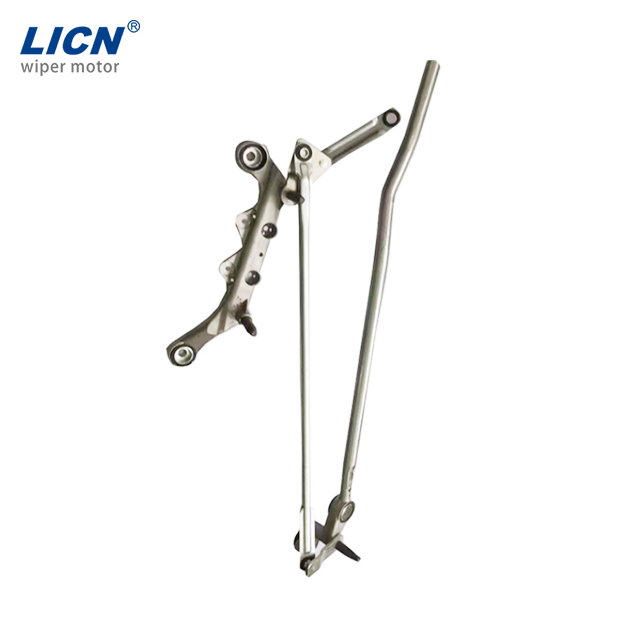
When the original assembly fails, you face a crowded aftermarket. You must purchase a reliable Wiper Linkage to restore safe operation. Not all replacement parts offer the same durability. You must evaluate specific manufacturing criteria before buying.
The pivot bushings represent the most common failure point. High-quality replacements utilize OEM-grade high-density polymers or solid brass bushings. These premium materials withstand constant friction and extreme under-hood temperatures. Cheap aftermarket alternatives often use basic ABS plastic. Inferior plastics degrade rapidly during harsh winter freezes or intense summer heat. They crack, crumble, and fail within a single year of use. Always verify the bushing material before making a final purchase.
Consider the brutal operating environment. The assembly lives directly beneath the windshield cowl vents. Rainwater washes continuously over it. Winter road salt and organic debris frequently accumulate in this hidden trough. Rust is the primary enemy of smooth operation. A high-quality assembly features heavy-duty galvanized coatings. Some premium units use thick powder-coated steel construction. These protective layers actively prevent rust-induced seizing. Bare metal or poorly painted rods will rust quickly, binding the pivot joints solid.
Universal fitments do not exist for this component. You must demand vehicle-specific geometric exactness. The lengths of the transmission rods dictate the precise sweep angles of the blades. Even a two-millimeter deviation in arm length alters the sweep pattern dramatically. Incorrect geometry will cause the blades to slap against the windshield trim. It can also leave dangerously large un-wiped patches right in your viewing area. Only source parts guaranteed to match original factory dimensions exactly.
Component Feature | OEM-Grade Replacements | Low-Tier Aftermarket |
|---|---|---|
Bushing Material | High-density POM polymer or Brass | Standard ABS plastic |
Corrosion Protection | Galvanized steel / Powder coating | Thin black spray paint |
Geometry Tolerance | Exact millimeter replication | Approximate lengths |
Expected Lifespan | 75,000 to 100,000+ wipes | Often under 20,000 wipes |
Replacing this part presents an interesting dilemma. The part itself is generally affordable. The labor, however, requires accessing deeply recessed areas. You must honestly evaluate your technical comfort level before attempting this repair in your home garage.
Reaching the assembly requires significant teardown. First, you must remove the wiper arms themselves. These arms often seize tightly onto the splined pivot shafts after years of exposure. You frequently need a specialized small puller tool to pop them off safely. Next, you must extract the large plastic cowl cover. This cover spans the entire width of the windshield. It secures to the vehicle with brittle plastic retaining clips. These clips break easily if forced. You will need proper trim removal tools and ample patience to avoid cracking the expensive cowl panel.
Standard DIY Teardown Steps:
Mark the resting position of the wiper blades on the glass with tape.
Unbolt and carefully pull the exterior wiper arms off the splines.
Remove the rubber weatherstripping across the engine bay firewall.
Gently pry up the plastic retaining clips holding the cowl cover.
Unbolt the hidden linkage assembly and disconnect the motor wiring harness.
Reassembly introduces a major calibration risk known as indexing. The motor has a specific internal "park" position. This tells it where to stop the blades at the bottom of the glass. A common DIY mistake involves bolting everything back together while the motor sits mid-cycle. If you do this, turning the system on will cause chaos. The wipers will attempt to wipe downward across the engine hood. They will then stop straight up in the middle of your vision. You must plug the motor in, cycle it once, and let it return to its true park position before bolting the arms back on.
You must weigh labor costs against your own time. A certified technician can usually complete this job in roughly one to two hours. Dealership labor rates add up quickly. Doing it yourself saves hundreds of dollars in immediate labor charges. However, breaking a windshield cowl during removal instantly destroys those savings. If you possess basic socket sets, trim tools, and mechanical patience, it is a highly rewarding DIY project. If you lack enclosed garage space or fear breaking brittle plastic trim, outsourcing to a professional makes logical sense.
A brand new assembly will fail quickly if you abuse it. Changing your seasonal habits greatly extends the lifespan of these mechanical components. You must protect the pivot joints from unnecessary physical strain.
Never use your vehicle wipers to clear heavy snow. This remains the absolute number one cause of bent transmission rods. A foot of wet snow weighs several pounds. The wiper motor possesses incredible torque and will try to push that snow regardless. The weakest link in the chain will inevitably break under that pressure. Usually, this means the metal linkage rods bend out of shape. Sometimes, it strips the metal splines right off the pivot shafts. Always use a hand brush to manually clear the glass completely before turning the system on.
Winter mornings present another major hazard. Wiper blades frequently freeze solid to the windshield glass overnight. Do not turn the wipers on to break them free. The rubber blades stay glued to the glass. The motor aggressively twists the linkage arms. This immediate torque causes sudden structural failure. It snaps the plastic ball sockets instantly. Always turn on your front windshield defroster first. Wait for the heat to melt the ice physically holding the rubber blades. You can also manually lift the blades off the glass to break the ice bond before driving.
Preventative maintenance requires very little effort. Open your hood during your regular seasonal oil changes. Shine a flashlight through the cowl vents. Look at the exposed pivot points. Check for obvious signs of rust or heavy debris buildup. Clean out fallen leaves or pine needles blocking the cowl water drains. Sitting water accelerates rust rapidly. Finally, spray a small amount of white lithium grease or silicone lubricant onto any accessible pivot joints. This simple lubrication reduces internal friction and significantly prolongs the life of the plastic bushings.
A fully functional linkage assembly represents a non-negotiable safety requirement for any vehicle. It quietly performs the heavy lifting, translating simple motor rotation into complex, synchronized visibility. Recognizing the early symptoms of failure prevents dangerous driving situations during heavy storms. Choosing a high-quality replacement with superior bushing materials ensures long-term reliability. We strongly encourage readers currently experiencing erratic wiping or grinding noises to act immediately. Physically inspect the assembly beneath your cowl today. Begin cross-referencing your factory part numbers with durable, precision-engineered alternatives to restore your safe driving vision.
A: The motor provides the electrical rotational power. The linkage is the mechanical arm assembly. It distributes that raw power outward to physically move the blades back and forth across the glass.
A: While some individual bushings can technically be pressed in, it is industry standard practice to replace the entire assembly. Metal fatigue and rust usually affect all joints simultaneously. Full replacement guarantees reliable operation.
A: No. A failing linkage can snap unpredictably under the heavy load of a rainstorm. This results in an immediate and total loss of forward visibility, severely endangering you and other drivers.


