
Views: 0 Author: Site Editor Publish Time: 2025-12-03 Origin: Site


Driving visibility is crucial for safety. Have you ever wondered how your windshield stays clear during rain? The Wiper Arm & Blade play a vital role in this process.
In this article, we’ll explore how these components work and their importance in maintaining visibility on the road. You’ll learn about their functions, types, and maintenance tips.
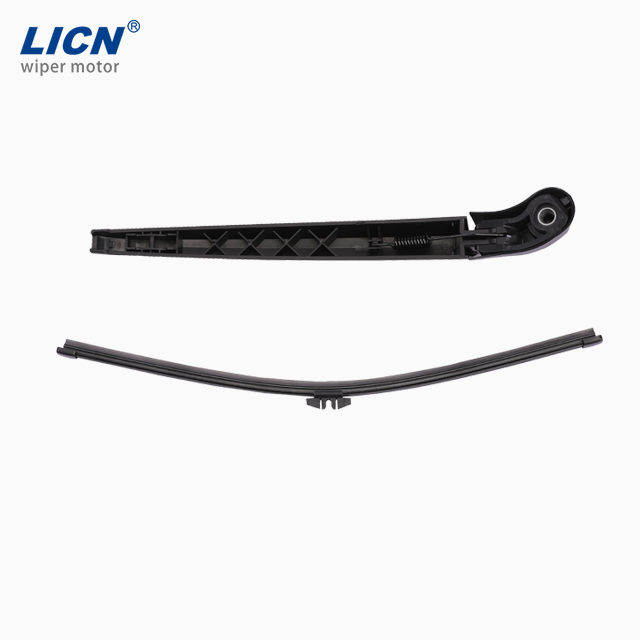
The Wiper Arm & Blade are essential components of a vehicle's windshield wiper system. They work together to ensure clear visibility in various weather conditions.
● Definition: The wiper arm is the metal or plastic lever that connects to the wiper motor. The wiper blade is the rubber part that makes contact with the windshield to wipe away rain, snow, and debris.
● Physical Structure: Typically, the wiper arm has a pivot point allowing it to swing across the windshield. The blade itself is designed with a flexible rubber edge, often featuring a spoiler to improve contact with the glass at high speeds.
● Importance of Integration: In modern vehicles, the integration of the wiper arm and blade is crucial. Advanced designs enhance aerodynamics, reduce noise, and improve overall performance. This integration helps maintain visibility, especially during adverse weather conditions.
Understanding how the Wiper Arm & Blade function can help you appreciate their role in vehicle safety.
1. Working Mechanism: The process begins when the driver activates the wipers. The electric motor powers the wiper system, causing the wiper arm to move. This movement is transmitted through a linkage system, allowing the wiper blade to sweep across the windshield.
2. Role of the Electric Motor: The motor provides the necessary force to move the wiper arm. It can operate at different speeds, allowing for various wiping patterns.
3. Function of the Wiper Blade: As the wiper blade moves, it clears water and debris off the windshield. This action is vital for maintaining visibility, particularly during heavy rain or snow.
4. Wiping Patterns: Wiper systems typically offer different modes, such as:
a. Intermittent Wiping: The wipers pause between wipes, useful during light rain.
b. Continuous Wiping: The wipers operate without interruption, ideal for heavy downpours.
5. Pressure Maintenance: To effectively clean the windshield, wiper arms maintain a pressure range of about 5-8 kg. This pressure ensures the blade makes proper contact with the glass, maximizing cleaning efficiency.
Wiping Pattern | Description |
Intermittent | Wipers pause between sweeps |
Continuous | Wipers operate without stopping |
In summary, the Wiper Arm & Blade are not just simple components; they play a vital role in ensuring safe driving by providing clear visibility. Their design and functionality reflect the importance of integrating advanced technology in modern vehicles.
Clear visibility is essential for safe driving, especially during inclement weather. Rain, snow, and debris can obstruct a driver's view, leading to dangerous situations. This is where Wiper Arms & Blades come into play.
● Removing Obstacles: Wiper arms support the blades as they move across the windshield, effectively clearing away water and dirt. The flexible rubber of the blades conforms to the glass, ensuring a thorough clean.
● Weather Challenges: Whether it's a light drizzle or a heavy snowstorm, the wiper system adapts to various conditions. By efficiently removing moisture and debris, they help maintain a clear line of sight.
● Safety in Adverse Conditions: In challenging weather, having functioning wipers is crucial. They enhance safety by ensuring drivers can see the road clearly, reducing the likelihood of accidents.
Weather Condition | Wiper Function |
Rain | Continuous wiping for clear view |
Snow | Intermittent wiping to manage buildup |
Debris | Quick sweeps to maintain visibility |
Poor visibility is a leading cause of vehicle accidents. Statistics show that a significant percentage of crashes occur in adverse weather conditions.
● Accident Statistics: According to recent studies, approximately 25% of all accidents are linked to visibility issues. Rainy or snowy conditions can increase the risk, making reliable wipers essential.
● Preventing Accidents: By ensuring a clear windshield, Wiper Arms & Blades play a vital role in accident prevention. When visibility is compromised, even a momentary lapse can lead to serious consequences.
● Driver Confidence: Knowing that wipers are functioning well gives drivers confidence. This peace of mind allows them to focus on the road ahead rather than worrying about visibility.
Accident Causes | Percentage |
Poor visibility | 25% |
Distracted driving | 30% |
Speeding | 20% |
In summary, the Wiper Arms & Blades are key players in ensuring clear visibility and enhancing road safety. Their effective operation can significantly reduce the risk of accidents, making them indispensable for safe driving.
When it comes to Wiper Arms & Blades, understanding the differences between traditional and modern systems is essential for vehicle owners.
● Traditional Wiper Systems: These systems typically feature metal frames that hold the rubber blades in place. While they have been reliable for many years, they can be heavier and less aerodynamic. The metal frames can also rust over time, leading to maintenance issues.
● Modern Designs: In contrast, modern wiper systems often utilize integrated or frameless designs. These systems offer a sleeker look and improved performance. By eliminating the bulky frame, they can provide better contact with the windshield, enhancing wiping efficiency.
Feature | Traditional Systems | Modern Systems |
Weight | Heavier | Lighter |
Aerodynamics | Less efficient | More streamlined |
Maintenance | Higher due to rusting | Lower, as fewer parts wear out |
Performance | Adequate | Superior, better contact |
● Benefits of LICN's Integrated Design: LICN's innovative integrated design stands out among modern systems. It reduces maintenance needs significantly, as there are fewer components that can wear out or require replacement. Additionally, this design improves wiping performance, ensuring a clearer view during adverse weather.
Different driving conditions call for different types of wiper blades. Understanding these variations can help you choose the right option for your vehicle.
● Winter Blades: These blades are specifically designed to handle heavy snow and ice. They often feature a rubber boot that prevents snow buildup and maintains flexibility in low temperatures. This ensures effective wiping even in the harshest winter conditions.
● Performance Blades: Aimed at high-performance vehicles, these blades are engineered for speed and precision. They typically have advanced aerodynamics and materials that enhance their durability and effectiveness at high speeds.
● Compatibility: It's crucial to ensure that the wiper blades you choose are compatible with your vehicle model. Many manufacturers provide specific recommendations, and using the right blades can significantly improve performance and safety.
Type of Blade | Best For | Key Features |
Winter Blades | Snow and ice conditions | Rubber boot, flexible design |
Performance Blades | High-speed driving | Aerodynamic, durable materials |
Incorporating the right type of Wiper Arm & Blade into your vehicle not only enhances visibility but also contributes to overall safety on the road. Understanding the distinctions between traditional and modern systems, as well as the benefits of specialized blades, can help you make informed decisions for your vehicle's maintenance.
Recognizing when your Wiper Arms & Blades need replacement is crucial for maintaining visibility and safety on the road. Here are some common signs to look out for:
● Streaking: If your wipers leave streaks on the windshield, it indicates that the rubber is worn out or damaged. This can significantly reduce visibility during rain or snow.
● Skipping: If the blades skip across the glass instead of making smooth contact, it’s time for a change. Skipping can be caused by bent arms or worn-out blades.
● Noise: Unusual sounds, like squeaking or rattling, can signal that the blades are not functioning properly. This often happens when the rubber deteriorates or the wiper arm is loose.
Indicator | Description | Action Needed |
Streaking | Leaves water marks | Replace blades |
Skipping | Fails to make full contact | Check alignment, replace if needed |
Noise | Squeaking or rattling | Inspect for wear, replace if necessary |
● Recommended Replacement Frequency: Generally, it’s advisable to replace wiper blades every 6 to 12 months. However, this can vary based on usage and environmental conditions.
● Impact of Environmental Factors: Environmental factors play a significant role in the longevity of wiper blades. For instance, prolonged exposure to UV rays can cause the rubber to dry out and crack, while extreme temperatures can lead to brittleness. Regular inspections can help mitigate these effects.
Replacing wiper blades is a straightforward process that you can do yourself. Here’s a step-by-step guide to ensure proper installation:
1. Gather Your Tools: You’ll need new wiper blades and possibly a flathead screwdriver for certain models.
2. Lift the Wiper Arm: Gently pull the wiper arm away from the windshield until it is in a vertical position.
3. Remove the Old Blade: Locate the release tab on the wiper blade. Press the tab and slide the blade off the arm.
4. Attach the New Blade: Align the new blade with the arm and slide it into place until you hear a click.
5. Lower the Wiper Arm: Carefully lower the wiper arm back onto the windshield.
Step | Action |
1. Gather Tools | New blades, screwdriver |
2. Lift Wiper Arm | Pull away from windshield |
3. Remove Old Blade | Press tab, slide off |
4. Attach New Blade | Align and click into place |
5. Lower Wiper Arm | Return to windshield |
● Tips for Proper Installation: Ensure the new blades are compatible with your vehicle model. Double-check that they are securely attached before using them. It’s also a good idea to test them after installation to confirm they wipe smoothly.
Maintaining your Wiper Arms & Blades is not just about replacing them when they wear out; regular maintenance is key to their performance and longevity.
● Benefits of Keeping Wipers in Good Condition: Well-maintained wipers ensure clear visibility, which is vital for safe driving. They also help prevent potential accidents caused by obstructed views.
● Impact on Performance and Longevity: Regular checks can identify issues early, such as blade wear or arm misalignment. Addressing these problems promptly can extend the lifespan of your wiper system, saving you money in the long run.
Maintenance Task | Frequency | Benefit |
Visual Inspection | Monthly | Identify wear and damage |
Clean Blades | Bi-weekly | Remove debris and improve performance |
Replace Blades | Every 6-12 months | Ensure optimal visibility |
By keeping a close eye on your Wiper Arms & Blades and performing regular maintenance, you can enhance your driving experience and ensure safety on the road.
In recent years, the design of Wiper Arms & Blades has evolved significantly, particularly with the introduction of aerodynamic shapes. These designs are crafted to minimize wind resistance, which is crucial for maintaining performance at higher speeds.
● How Aerodynamic Shapes Work: By utilizing streamlined profiles, modern wiper blades can cut through the air more efficiently. This means less drag, allowing them to maintain better contact with the windshield, even at high speeds.
● Benefits of Reduced Noise and Improved Performance: One of the most noticeable advantages of aerodynamic wipers is the reduction in noise. Traditional wipers often create a whistling sound due to air turbulence, but aerodynamic designs help eliminate this issue. As a result, drivers enjoy a quieter cabin experience. Additionally, improved performance means better visibility during inclement weather, enhancing safety on the road.
Feature | Traditional Wipers | Aerodynamic Wipers |
Wind Resistance | Higher | Lower |
Noise Level | Often noisy | Quieter |
Performance | Adequate | Enhanced |
The integration of technology into Wiper Arms & Blades has led to the development of smart wiper systems. These intelligent features are designed to enhance convenience and safety for drivers.
● Overview of Intelligent Features: One of the key innovations is the incorporation of rain sensors. These sensors detect moisture on the windshield and automatically activate the wipers at the appropriate speed. This not only saves drivers the hassle of manual adjustments but also ensures optimal visibility at all times.
● Future Trends in Wiper Technology: As technology continues to advance, we can expect even more sophisticated features. For instance, some manufacturers are exploring the use of connected systems that can communicate with weather services. This could allow wipers to adjust their settings based on real-time weather conditions.
● Significance of Adaptive Wiper Systems: Adaptive wiper systems represent a significant leap forward. These systems can adjust the speed and frequency of the wipers based on the intensity of the rain. This ensures that the driver always has a clear view, regardless of changing weather conditions.
Feature | Standard Wipers | Smart Wiper Systems |
Manual Control | Required | Automatic |
Rain Sensitivity | None | Present |
Adjustment Capability | Fixed Speed | Adaptive Speed |
The advancements in Wiper Arm & Blade technology not only improve functionality but also contribute to a safer and more comfortable driving experience. As these innovations continue to develop, we can look forward to even greater enhancements in vehicle safety and performance.
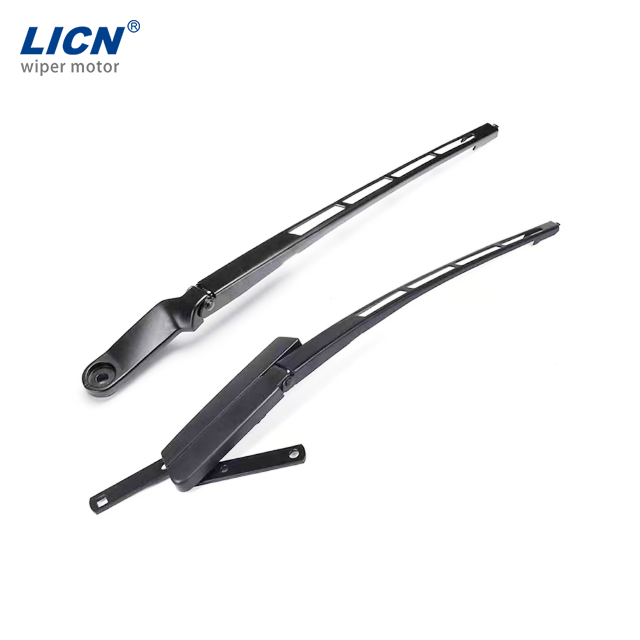
When comparing LICN Wiper Arm & Blade products to traditional wiper systems, several key differences in design and performance emerge. LICN has revolutionized the approach to wiper technology, focusing on innovation and user convenience.
● Key Differences in Design and Performance: Traditional wiper systems often consist of multiple components that can wear out independently. In contrast, LICN's integrated design minimizes the number of parts, leading to fewer potential points of failure. This streamlined construction not only simplifies installation but also enhances overall reliability.
● Advantages of LICN's Integrated Design: One of the standout features of LICN wipers is their aerodynamic shape, which reduces wind lift and noise during operation. This design ensures a smoother wipe across the windshield, improving visibility in adverse weather conditions. Additionally, the materials used are engineered for durability, resisting wear and tear over time.
● Quality Testing Processes: To ensure reliability, LICN implements rigorous quality testing processes. These include durability tests that simulate years of use and temperature resistance assessments to confirm performance in extreme conditions. This commitment to quality means drivers can trust LICN products to perform consistently, no matter the weather.
Feature | LICN Wiper Arm & Blade | Traditional Wiper Systems |
Design | Integrated | Multi-component |
Noise Level | Low | Moderate to High |
Durability Testing | Extensive | Variable |
Installation | Easy | Often Complicated |
In the competitive landscape of wiper technology, it's important to look at how LICN stacks up against major brands like Bosch and DENSO. Each brand has its unique strengths, but LICN offers distinct advantages that set it apart.
● Brief Comparison with Major Brands: Bosch is known for its high-quality engineering, while DENSO focuses on reliability and performance. However, LICN combines these strengths by offering an integrated design that enhances both durability and ease of use.
● Highlight Unique Selling Points of LICN Products: One of the unique selling points of LICN wipers is their innovative use of advanced materials that provide superior flexibility and resilience. This means they can adapt better to different windshield shapes and conditions, ensuring a more effective wipe. Furthermore, LICN products often come with a longer warranty period, reflecting confidence in their longevity.
Brand | Unique Selling Points | Strengths |
LICN | Integrated design, advanced materials | Superior flexibility, long warranty |
Bosch | High-quality engineering | Excellent performance |
DENSO | Reliability | Strong market presence |
The comparison of Wiper Arm & Blade products reveals that LICN not only meets but often exceeds the performance standards set by traditional and major brands. This makes it a compelling choice for consumers looking for quality and reliability in their wiper systems.
Wiper Arms & Blades are crucial for vehicle safety. They ensure clear visibility during rain and adverse weather conditions. Regular maintenance of wiper systems is essential for optimal performance.
We encourage readers to check their wipers frequently.
Explore LICN’s range of Wiper Arm & Blade products for the best in quality and reliability. Keeping your wipers in top shape can make a significant difference on the road.
A: Wiper blades should be replaced every 6 to 12 months for optimal performance.
A: No, always use blades that fit your specific vehicle model for proper function.
A: Silicone and rubber are the best materials, offering durability and effective wiping.
A: Check for smooth movement and ensure blades make full contact with the windshield.
A: Yes, some brands offer eco-friendly blades made from sustainable materials.
A: LICN products feature integrated designs, advanced materials, and rigorous quality testing for reliability.


