
Views: 0 Author: Site Editor Publish Time: 2026-01-26 Origin: Site


A Reduction Gear Motor is a vital component in various mechanical systems, used to reduce speed while increasing torque. These motors are typically found in machinery that requires consistent motion, like conveyors, industrial equipment, and automotive systems. For optimal performance, maintenance is essential. Neglecting this aspect can lead to failures, decreased efficiency, and costly repairs. In this guide, we'll explore how to maintain your Reduction Gear Motor, ensuring it runs smoothly for years.
A Reduction Gear Motor combines a gear reduction system with an electric motor, reducing the motor's speed and increasing its torque. It's used to convert high-speed energy into low-speed, high-torque power. The motor's key components include the motor itself, the gearbox, bearings, and shafts, all of which must be carefully maintained to ensure the system operates efficiently.
The Reduction Gear Motor works by using gears to alter the input speed from the motor, making it more suitable for heavy-duty applications. For instance, a high-speed motor might be too fast for certain machinery, but by using a reduction gear system, it can match the required operating speed.
Regular maintenance of a Reduction Gear Motor is crucial for preventing performance issues and extending the motor's lifespan. Here are some reasons why consistent care is necessary:
Prevents Overheating: Over time, debris, dust, and dirt can accumulate, which may cause the motor to overheat. Regular cleaning and inspections prevent this.
Increases Efficiency: Well-maintained motors run smoother, leading to more efficient operations and less energy consumption.
Reduces Wear and Tear: Regular lubrication and part inspection can significantly reduce the wear on key components like gears and bearings.
Prevents Downtime: Performing maintenance tasks regularly reduces the chances of unexpected breakdowns, thus preventing costly downtime.
In summary, maintaining your Reduction Gear Motor ensures it operates efficiently, reducing the need for frequent repairs and replacements.
A Reduction Gear Motor consists of various parts that work in unison. Here’s a breakdown of the critical components you should focus on:
Motor: Regularly check the motor's efficiency and signs of overheating. Inspect electrical connections and ensure proper voltage levels.
Gearbox: The gearbox is the heart of the reduction process. Ensure it's well-lubricated and inspect for wear and damage. Perform visual inspections for leaks and cracks. Lubrication levels should be checked regularly, and lubricants should be replaced as needed.
Bearings: Bearings are essential for smooth operation. Listen for any unusual noises like grinding, which could indicate wear. Replace bearings when there is excessive play or wear.
Shaft and Couplings: Proper alignment is essential for efficient operation. Misalignment can cause vibrations, leading to further damage. Regularly check the shaft for rust, corrosion, and ensure it's free of debris.
By keeping an eye on these components and maintaining them regularly, you ensure the motor’s longevity and efficiency.
While Reduction Gear Motors are reliable, they can face common issues if not maintained properly. Here are some of the most frequent problems and how to prevent them:
Overheating:
Cause: Lack of lubrication or environmental factors like poor ventilation.
Solution: Ensure the motor is properly lubricated, and the ambient temperature is within the recommended range. Regularly clean dust from the motor to maintain airflow.
Excessive Vibration:
Cause: Worn-out bearings or misalignment.
Solution: Inspect and replace any worn-out bearings. Ensure the motor is aligned correctly to avoid strain.
Noise:
Cause: Lack of lubrication, debris in the gearbox, or worn gears.
Solution: Use appropriate lubricants, clean the gearbox regularly, and replace worn gears.
Leaking Lubricant:
Cause: Worn seals or overfilled lubricant.
Solution: Regularly inspect seals and replace them as needed. Maintain proper lubrication levels.
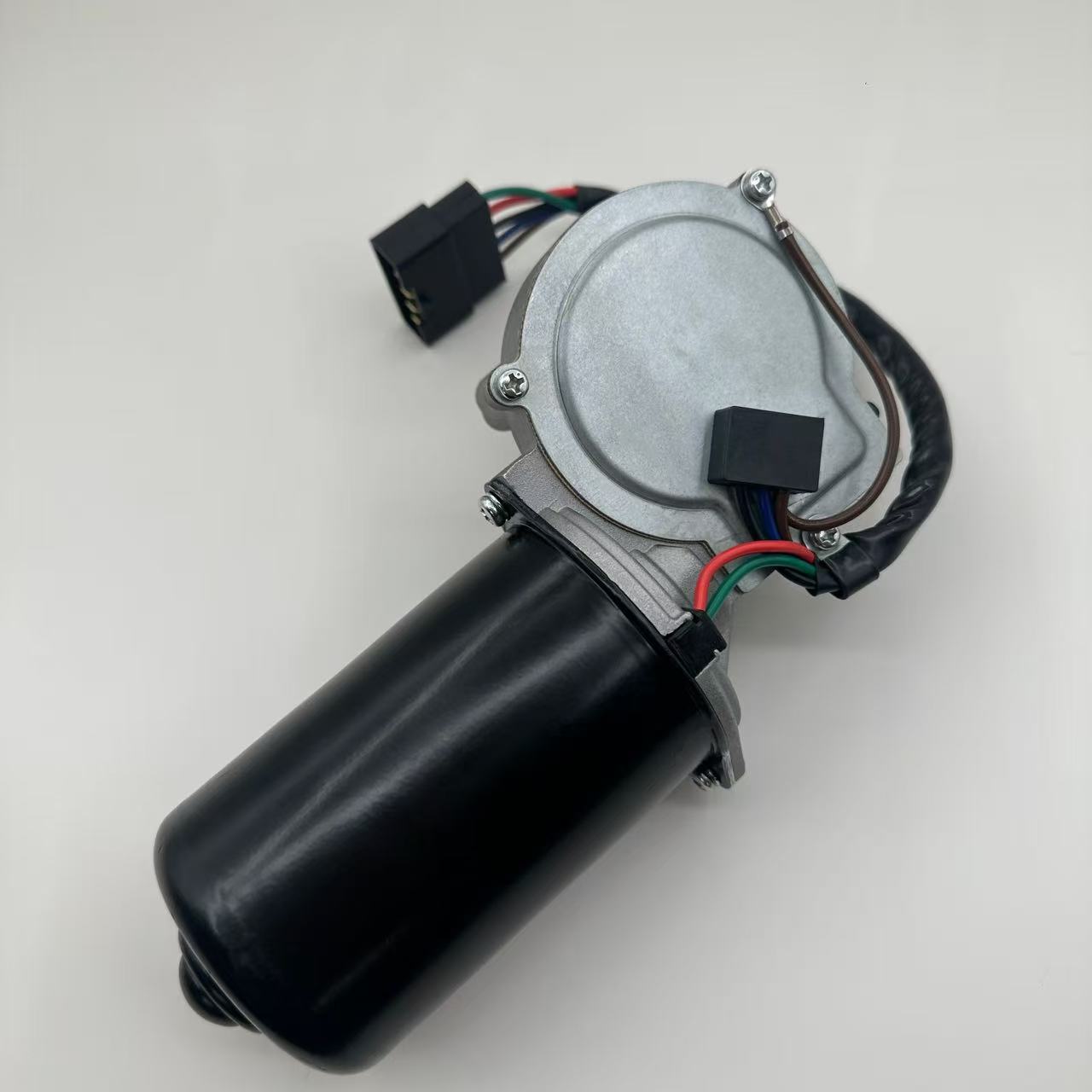
Inspecting a Reduction Gear Motor is a vital step in maintaining its performance. Here's a checklist of tasks to help you keep your motor in peak condition:
Visual Inspection: Check for any external damage to the motor housing, gearbox, and wires. Look for cracks, leaks, or signs of wear. Inspect the cooling fins (if applicable) for dust and debris that could restrict airflow.
Lubrication Check: Verify that the lubricant is at the correct level and free from contamination. Check for oil leaks around seals and gaskets.
Functionality Test: Turn on the motor and listen for any unusual noises. Excessive noise may indicate a problem with the bearings or gears. Measure the motor’s temperature and ensure it remains within the optimal range. Use vibration analysis tools to identify any abnormal vibrations that could indicate misalignment or imbalance.
Bearing and Shaft Inspection: Rotate the shaft manually to check for smoothness. Any stiffness or resistance may signal bearing issues. Check for excessive movement in the shaft or any visible damage to the bearings.
By performing regular inspections, you’ll be able to detect early signs of wear and address issues before they lead to motor failure.
Maintaining a Reduction Gear Motor involves several critical tasks to ensure it functions efficiently. Here's a breakdown of best practices that you should follow to keep your motor in optimal condition:
Regular Cleaning: Dirt and debris can accumulate in the motor and gearbox over time, reducing efficiency and causing wear. Regularly clean the motor’s exterior using a soft cloth. For internal components, make sure to clean the vents and cooling fins to prevent overheating.
Lubrication: The gearbox requires proper lubrication to minimize friction between the gears. Use high-quality lubricants recommended by the manufacturer. Check the lubricant levels regularly and top off if necessary. If the lubricant is dirty or contaminated, replace it promptly. Proper lubrication is key to preventing overheating and reducing wear on the gears.
Alignment: Misalignment of the motor or gearbox can lead to excessive vibrations, which can damage internal components. Ensure the motor and its connected parts are aligned correctly. You can use alignment tools to check for any discrepancies and correct them before they cause further damage.
Bearing Maintenance: Bearings are essential for smooth operation. Listen for any unusual sounds such as grinding or squealing, as they can indicate bearing wear. If you notice any issues, replace the bearings immediately. Also, check for any play in the bearings to ensure they are functioning properly.
Inspection Intervals: Set a regular maintenance schedule. For instance, inspect the motor every 3-6 months, depending on the usage. Regular inspections help detect early signs of wear and reduce the risk of unexpected failures.
By following these best practices, you can ensure the long-term functionality of your Reduction Gear Motor.
Lubrication plays a crucial role in maintaining the longevity and efficiency of a Reduction Gear Motor. Proper lubrication reduces friction, prevents overheating, and extends the lifespan of the motor. Here's what you need to know:
Importance of Lubrication: Without adequate lubrication, the gears inside the gearbox can wear down quickly, leading to overheating and even motor failure. Lubricants also help keep contaminants out of the system, reducing the risk of damage.
Types of Lubricants: Different motors require different types of lubricants. Always use the recommended lubricant for your specific motor. For example, synthetic oils may be needed for high-performance motors, while conventional oils may suffice for standard applications.
How to Check and Change Lubricant: Check the lubricant level and its condition regularly. If it’s too low, top it off. If it’s dark or contaminated, drain the old oil and replace it with fresh lubricant. Make sure to use the correct type and amount, as per the manufacturer’s specifications.
Lubrication Frequency: The frequency of lubrication depends on the type of motor and the operating conditions. For motors running continuously, you may need to lubricate them every few months, while motors in less demanding environments may require less frequent maintenance.
By maintaining proper lubrication, you reduce the risk of friction-related damage and keep the motor running smoothly.
Even with regular maintenance, Reduction Gear Motors may occasionally encounter issues. Here's a step-by-step troubleshooting guide to help you address common problems:
Overheating:
Possible Causes: Insufficient lubrication, high load, poor ventilation.
Solution: Check for proper lubrication levels and ensure the motor is not overloaded. Also, verify that the cooling system (fans or vents) is not blocked by dust or debris.
Excessive Noise:
Possible Causes: Worn bearings, insufficient lubrication, or damaged gears.
Solution: Lubricate the motor thoroughly. If the noise persists, inspect the bearings and gears for wear and replace them if necessary.
Motor Not Starting:
Possible Causes: Electrical issues or faulty connections.
Solution: Check the motor's electrical connections, and ensure the power supply is functional. Inspect the motor’s components for any signs of electrical wear, such as damaged wires or connectors.
Vibrations:
Possible Causes: Misalignment, unbalanced components, or worn bearings.
Solution: Ensure the motor is aligned correctly. Use balancing equipment if necessary to ensure all parts are in sync. Replace worn bearings to eliminate excess vibration.
To get the most out of your Reduction Gear Motor, you should implement strategies to prolong its lifespan. Here’s how:
Perform Regular Inspections: Regularly inspect all parts of the motor, especially the bearings, gearbox, and lubrication system. Early detection of problems allows you to address issues before they cause major damage.
Avoid Overloading: Overloading your motor can lead to overheating and premature wear. Ensure the motor is used within its rated capacity. If the workload changes, adjust the motor’s settings or replace it with one that’s more suitable.
Monitor Operating Conditions: Environmental factors such as temperature, humidity, and dust can affect the motor’s performance. Operate the motor in a clean, well-ventilated area. If necessary, use protective covers to prevent dust and moisture from entering the motor.
Implement a Preventive Maintenance Program: Establish a routine maintenance schedule to keep the motor in top condition. Following a preventive maintenance program ensures that issues are caught early and the motor continues to perform optimally.
By following these steps, you can significantly extend the lifespan of your Reduction Gear Motor and keep it running smoothly for longer.
While routine maintenance is essential, some issues may require professional intervention. Here are signs that indicate it’s time to call an expert:
Persistent Overheating: If your motor continues to overheat despite regular maintenance, it could indicate a more serious problem that requires professional inspection.
Unusual Noises or Vibrations: Persistent grinding noises or excessive vibrations that can't be resolved by basic troubleshooting may require a specialist to diagnose and fix the problem.
Electrical Failures: If there are electrical issues, such as the motor not starting or irregular performance, it’s best to seek professional help to check the wiring and electrical components.
Excessive Wear: If the motor shows signs of significant wear or damage, a professional can help assess the situation and determine if repairs or replacements are needed.
By recognizing when to seek professional assistance, you can prevent further damage and ensure the longevity of your motor.
How often should I check the lubricant level?
Ideally, check the lubricant level every month, or more frequently if the motor operates in harsh conditions.
How can I tell if my motor is overheating?
If the motor is too hot to touch or exhibits performance issues like stalling or loss of power, it may be overheating.
What are the signs of excessive wear in a Reduction Gear Motor?
Unusual noises, vibrations, or loss of torque are indicators of excessive wear.
How can I improve the efficiency of my Reduction Gear Motor?
Regular lubrication, alignment, and cleaning, along with operating the motor within its specified limits, can improve efficiency.
Can I perform maintenance myself or should I hire an expert?
Simple maintenance tasks like lubrication and inspections can be done yourself, but for more complex issues, it's recommended to call an expert.
Proper maintenance of your Reduction Gear Motor is key to ensuring it runs efficiently and lasts longer. Regular inspections, lubrication, and alignment checks are essential tasks that should be performed to keep your motor in top shape. By following the best practices outlined above and seeking professional help when needed, you can prolong the lifespan of your motor and avoid costly repairs.


