
Views: 0 Author: Site Editor Publish Time: 2026-03-31 Origin: Site


Have you ever wondered how side step motors work and how much weight they can safely handle? With the rise in popularity of electric side steps in larger vehicles like trucks and SUVs, understanding the functionality of these motors is essential.
In this article, we will explore how side step motors operate, what determines their weight capacity, and how to maintain them for optimal performance. You’ll also learn how these motors function under various conditions and what you can do to ensure they last.
At the heart of the electric side step system lies the side step motor. This motor is typically mounted under the vehicle, attached to a set of linkages connected to the side steps. When the door of the vehicle is opened, the side step motor is activated, and it drives the mechanism to extend the side steps. When the door closes, the motor retracts the side steps. The automation of this process makes it incredibly convenient for vehicle owners, particularly in larger vehicles where manually stepping into the vehicle could be difficult.
The side step motor works by using either gears or belts to convert the rotational motion produced by the motor into linear motion that either extends or retracts the side step. The motor’s operation is triggered by the vehicle's central control system, which sends a signal when the door opens, activating the motor. This mechanism is simple but effective, providing easy access to the vehicle while also enhancing its aesthetic appeal.
Torque is a fundamental concept that plays a significant role in how the side step motor operates. It refers to the rotational force produced by the motor to move the side step mechanism. The higher the torque, the more load the motor can handle without straining or becoming inefficient.
LICN’s Side Step Motor, for example, is designed with a high torque capacity, which allows it to handle the weight of the side steps and additional weight from users stepping onto them. The higher torque ensures that the motor performs efficiently without overloading, even when the vehicle’s side steps are exposed to varying loads throughout the day. This enhanced torque is essential for ensuring smooth, consistent operation.
Side step motors typically operate on the vehicle’s 12V electrical system, which powers various components within the vehicle. The motor is wired to the vehicle’s central control system, which sends signals to the motor based on inputs such as the opening or closing of the vehicle’s doors. In more advanced systems, sensors detect the proximity of the door, automatically triggering the extension and retraction of the side steps.
The integration of the side step motor with the vehicle’s electrical system is a key factor in ensuring smooth and reliable operation. When the motor receives the correct signals, it operates without issue, extending and retracting the side steps as required. Understanding the interaction between the side step motor and the vehicle’s electrical control system helps to ensure smooth and efficient operation, preventing issues like delayed retraction or overloading.
One of the most critical factors influencing the weight capacity of electric side steps is the materials used in their construction. The side steps themselves must be made of durable yet lightweight materials that can handle the weight of passengers while still remaining functional. Materials like high-grade aluminum, stainless steel, or reinforced plastic are commonly used for side steps because they offer the ideal balance of strength and weight.
The side step motor must also be built to support the weight of both the side steps and the load that the motor has to move. LICN’s Side Step Motor is built for heavy-duty use, with durable materials that ensure reliable performance even when the motor is exposed to higher stresses. The robust construction of LICN’s Side Step Motor ensures that it can safely and efficiently support varying weights, whether the motor is simply extending the steps or bearing the load of passengers stepping on them.
The design of the side step motor itself plays a significant role in how much weight it can handle. Motors designed with reinforced brackets and an even weight distribution across the side step can support heavier loads without causing undue strain on the motor or the system. When the weight is distributed evenly, the motor experiences less stress and has a better chance of performing reliably for longer periods.
The design of the side step’s bracket and linkage system should ensure that the load is spread across the motor rather than concentrated in a single point. LICN’s Side Step Motor is designed to handle such weight distribution efficiently, ensuring smoother movement and minimizing stress on both the motor and the side steps.
Shock absorbers or reinforced supports are often included in side step motors to help reduce the impact of sudden weight changes, such as when a passenger steps onto the side step. This feature helps to distribute the load evenly and ensures that the motor can handle additional weight without experiencing mechanical failure. Shock absorbers help absorb the impact, which prevents sudden jerks and reduces strain on the motor during operation.
LICN’s Side Step Motor integrates shock absorption technology that allows it to handle a variety of loads, even when the weight is not evenly distributed across the step. This not only increases the overall load capacity but also ensures a smoother, more reliable extension and retraction process.
The weight capacity of electric side steps depends on various factors, such as the design and materials used. On average, high-quality side step motors can support weights ranging from 300 to 400 pounds (136 to 181 kg). This range accommodates most users, though it is important to avoid exceeding these limits to prevent motor failure or damage to the side steps.
For example, LICN’s Side Step Motor is designed to support up to 350 pounds (159 kg), making it a versatile choice for most users. However, it is essential to adhere to the specified weight limits to avoid overloading the motor and to ensure optimal performance and safety.
To ensure that the side step motor is performing optimally and handling weight properly, regular testing is essential. It is important to check for smooth operation, even extension, and proper retraction. The motor should operate quietly and efficiently, without any unusual noises or resistance.
If the side step motor is straining to retract or extend the side step, it may indicate that the weight being applied is too much for the motor to handle. In such cases, it is essential to assess the weight capacity and ensure that the motor is not being overloaded.
Cleaning and lubricating the side step motor regularly is crucial for ensuring its smooth operation. Dirt, debris, and moisture can build up over time and affect the motor’s ability to extend and retract the side steps. Regular maintenance, including cleaning the motor and applying lubricant to moving parts, reduces friction and prevents premature wear.
Lubrication also helps to protect the motor from rust and corrosion, especially if it is exposed to wet or icy conditions. This simple step can significantly extend the motor’s lifespan and improve its reliability.
Since side step motors rely on the vehicle’s electrical system, inspecting the wiring and connectors is essential. Over time, wires can become frayed, corroded, or disconnected, causing power issues or malfunctioning. Regularly checking the electrical connections helps maintain the power supply to the motor, ensuring that it operates efficiently.
Additionally, ensuring the motor is connected to the vehicle’s control system properly will prevent delays or failures in operation. If the motor isn’t receiving the right signal from the control system, it could lead to issues like delayed extension or retraction.
Regularly monitoring the load applied to the side step motor is crucial for its long-term health. Overloading the motor can cause excessive strain and lead to failure. The motor is designed to handle specific weight limits, and regularly checking that the motor is not under too much load helps prevent potential damage. If the motor begins to strain or struggle with normal operation, it may be a sign that the weight limit has been exceeded or that the motor is experiencing internal issues.
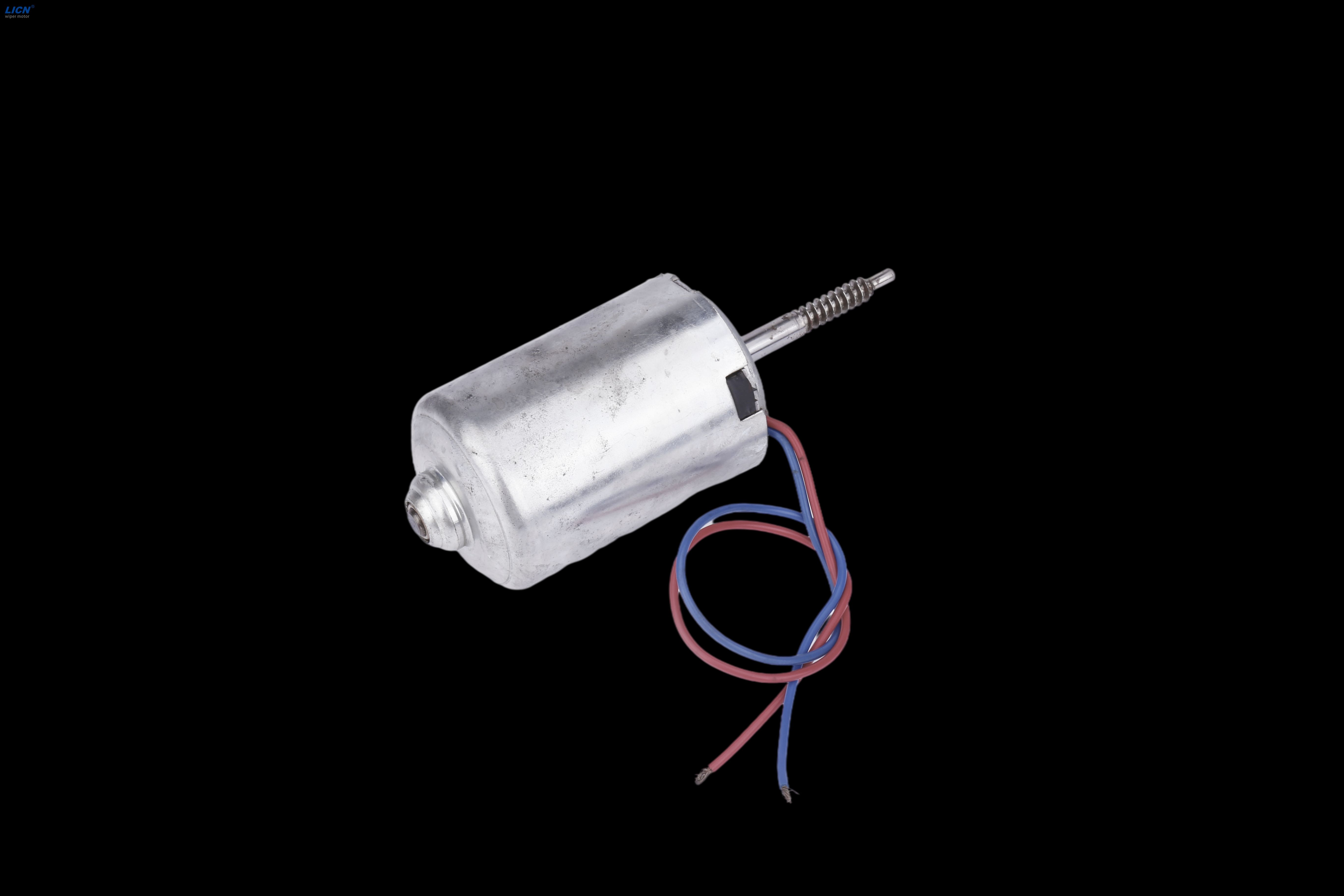
The side step motor is essential for automatic side steps, providing accessibility and reliability. When designed and maintained correctly, it can support heavy loads and work smoothly in tough conditions.
For a durable, high-performance solution, Ruian Liancheng Auto Power CO., Ltd. offers the ideal Side Step Motor. With its strong construction and high torque capacity, it ensures smooth operation and longevity.
A: A side step motor is an electric motor that powers the automatic extension and retraction of side steps in vehicles, improving accessibility for passengers.
A: The side step motor activates when the vehicle door is opened, extending the side steps. When the door closes, the motor retracts the steps. It operates using a simple gear mechanism.
A: Electric side steps typically support between 300 to 400 pounds. However, the side step motor must be rated to handle the weight safely without overloading.
A: Yes, side step motors are designed for easy installation, with many offering a direct-fit design. However, professional installation is recommended for optimal performance and safety.
A: Regular cleaning, lubrication of moving parts, and checking for any electrical issues are crucial for maintaining the longevity and performance of your side step motor.


