
Views: 0 Author: Site Editor Publish Time: 2025-10-28 Origin: Site


What powers your car's electric steering or the automated curtains in your smart home? It's the reduction gear motor. This ingenious device combines an electric motor with a gear system to optimize efficiency. In this post, you'll learn what a reduction gear motor is, its vital role in various industries, and how it enhances performance across applications.
A reduction gear motor combines an electric motor and a gear system to reduce speed and increase torque. It typically consists of:
Electric motor: Provides power and rotational motion.
Gearbox: Contains gears arranged to decrease speed and boost torque.
Output shaft: Delivers the adjusted speed and torque to the machinery.
This integration allows small motors to perform tasks requiring high torque without needing to increase motor size.
The motor spins at a high speed but low torque. The gearbox uses gears of different sizes to alter these parameters. A smaller gear on the motor shaft drives a larger gear on the output shaft. This setup reduces the output speed and increases torque proportionally.
The reduction ratio is the key factor here, calculated by dividing the number of teeth on the output gear by the number on the input gear. For example, if the output gear has 60 teeth and the input gear has 20, the reduction ratio is 3:1. This means the output shaft spins one-third as fast as the motor shaft but produces three times the torque.
More complex gearboxes, like planetary gear systems, use multiple stages to achieve higher reduction ratios. Each stage multiplies the overall reduction, allowing precise control over speed and torque.
Reduction gear motors offer several important features:
Speed control: They reduce motor speed to match application needs.
High torque output: Increase torque without increasing motor size.
Energy efficiency: Operate motors within optimal speed ranges, reducing energy waste.
Compact design: Save space by combining motor and gearbox.
Durability: Built to withstand high loads and continuous operation.
Low noise and vibration: Precision gears and treatments minimize operational noise.
Their modular design allows customization for various voltages, gear ratios, and motor types, making them versatile for many applications.
Gear reduction involves multiple gear pairs arranged in stages to achieve the desired speed and torque changes. Each stage consists of an input gear driving an output gear. When more reduction is needed, several stages are combined, with the output of one stage acting as the input for the next. This multi-stage setup allows for greater flexibility in achieving high reduction ratios without requiring extremely large gears.
For example, a two-stage gearbox might have gear ratios of 4:1 and 5:1 in each stage, resulting in an overall reduction ratio of 20:1 (4 multiplied by 5). This means the output shaft spins 20 times slower than the motor shaft but delivers 20 times the torque (minus some losses).
The reduction ratio is the core concept in gear reduction. It is the ratio between the number of teeth on the output gear and the input gear. This ratio determines how much the speed decreases and torque increases.
Formula: Reduction Ratio = (Number of teeth on output gear) ÷ (Number of teeth on input gear)
For instance, if the input gear has 15 teeth and the output gear has 60 teeth, the ratio is 4:1. The output shaft will rotate one-quarter as fast as the input shaft but produce four times the torque.
In multi-stage gearboxes, the overall reduction ratio is the product of the individual stage ratios. This enables very high reductions without massive gear sizes.
Gear reduction motors trade speed for torque. The motor runs at high speed with low torque. The gearbox slows down the speed but boosts torque proportionally. This allows small motors to drive heavy loads efficiently.
Torque increase: Torque output equals motor torque multiplied by the reduction ratio and gearbox efficiency.
Speed decrease: Output speed equals motor speed divided by the reduction ratio.
While torque increases, the power remains roughly constant, minus mechanical losses due to friction and heat.
This modulation is essential in applications requiring precise control at low speeds or heavy lifting. Without gear reduction, motors would need to be larger, consume more energy, and generate excessive heat.
Tip: When designing systems using reduction gear motors, carefully calculate the total reduction ratio needed to balance speed and torque, ensuring the motor operates within its optimal efficiency range.
Reduction gear motors come in various types, each designed to meet specific needs in speed reduction and torque increase. Understanding these types helps in selecting the right motor for your application. Here are the main types:
These use spur or helical gears arranged on parallel shafts. The input and output shafts run side by side, making the design compact and efficient. Multiple gear stages combine to provide a wide range of reduction ratios. They operate quietly and handle moderate to high torque well. This type suits applications requiring reliable power transmission with minimal noise, like conveyor systems or packaging machines.
Worm gears consist of a screw-like worm and a worm wheel, with axes positioned perpendicular. They can achieve high reduction ratios in a single stage, making them ideal for significant speed drops. The sliding contact between worm and wheel generates heat, so these gears usually have lower duty cycles. However, they run quietly and provide self-locking ability, preventing back-driving. Applications include lifts, gates, and hoists where holding loads safely is critical.
Bevel gears change the axis of rotation by 90 degrees and use conical-shaped gears. Hypoid bevel gears, a subtype, offer strong teeth and high durability. These gears handle heavy loads, transmit power smoothly, and maintain high efficiency. They are common in automotive differentials and heavy machinery where torque direction needs changing without sacrificing strength.
Planetary gears consist of a central sun gear, several planet gears, and an outer ring gear. The planet gears rotate around the sun gear inside the ring gear, distributing load evenly. This design allows high torque transmission in a compact size and achieves high reduction ratios through multiple stages. These gears are highly efficient and durable, widely used in robotics, electric vehicles, and aerospace.
Also called harmonic drives, strain wave gears use a flexible, cup-shaped metal wave generator that deforms to engage an outer circular gear. This unique mechanism provides nearly zero backlash, high torque, and compact size. They offer smooth, quiet operation and precise positioning. These gears excel in robotics, medical equipment, and aerospace, where accuracy and low vibration are vital.
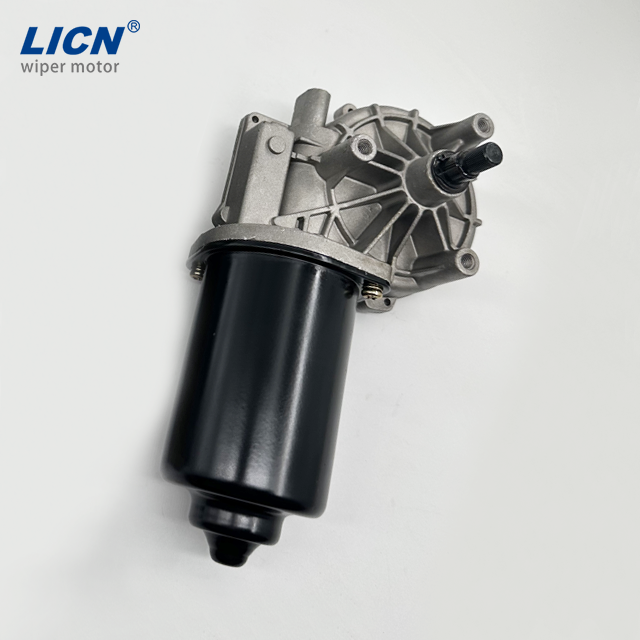
Reduction gear motors play a vital role across many industries. Their ability to provide high torque at low speeds makes them indispensable in various applications. Here’s a closer look at some key sectors where these motors are widely used:
Reduction gear motors are crucial in modern vehicles. They power systems like electric power steering (EPS), which makes steering easier and safer. They also operate electric park brakes (EPB) and auto power tailgates, providing smooth, reliable motion. In electric vehicles (EVs), these motors help control microdrive systems for charging pile locks. Their compact size and high torque output make them ideal for automotive systems needing precise control and efficiency.
Smart homes rely on reduction gear motors for quiet, efficient operation of automated features. Examples include electric curtains that open and close smoothly and smart lifting tables that adjust height with ease. These motors help maintain silent operation while delivering the necessary torque for moving heavier loads in tight spaces.
Robots demand precise control and high torque in compact packages. Reduction gear motors are often found in robot joints, intelligent escort robots, and robot eye systems. They enable smooth, accurate movements and help robots perform complex tasks. Automation equipment like automatic feeders and building block drive systems also benefit from these motors, ensuring reliable performance and long service life.
Many consumer electronics incorporate reduction gear motors for enhanced functionality. Cameras in smartphones use them for electric rotating lenses, enabling smooth zoom and focus. Other devices like smart bike locks, automatic hair curlers, e-cigarette cleaning parts, and vending machines rely on these motors for compact power and precise motion control.
In medical equipment, reduction gear motors provide controlled, precise motion essential for patient safety and treatment accuracy. They are used in surgical stapling devices, which require smooth, reliable operation. Their low noise and vibration levels also make them suitable for sensitive medical environments.
Reduction gear motors offer several advantages that make them essential in many mechanical and electronic applications. Their unique ability to increase torque while maintaining a compact size allows for efficient and reliable operation in tight spaces and demanding environments.
One of the most significant benefits is the ability to generate high torque from a small motor. Instead of using a larger, more expensive motor, a reduction gear motor uses gears to multiply torque. This means you get powerful output without increasing the motor's physical size. This compactness suits applications where space is limited, such as robotics, smart home devices, and automotive systems.
Reduction gear motors improve energy efficiency by allowing the motor to run at its optimal speed while the gearbox adjusts output speed and torque. This prevents the motor from working too hard or overheating, which saves energy and extends the motor's life. Efficient torque multiplication also means less electrical power is needed to perform the same work, reducing overall energy consumption.
Combining a motor and gearbox into one unit creates a space-saving design. This integration eliminates the need for separate mounting and alignment of gears and motors, simplifying installation. The compact design is ideal for modern equipment where minimizing size and weight is crucial, such as drones, portable medical devices, and electric vehicles.
High-quality reduction gear motors are built to withstand heavy loads and continuous operation. Precision-machined gears and advanced heat treatment processes improve durability and reduce wear. Many designs also minimize noise and vibration, enhancing reliability and user comfort. This robustness makes them suitable for industrial automation, medical devices, and consumer electronics, where consistent performance is critical.
Choosing the right reduction gear motor requires careful attention to several key factors:
Torque requirements: Understand the load your motor must drive. Calculate the torque needed at the output shaft, considering any starting loads or peak demands.
Speed specifications: Determine the desired output speed. This helps define the reduction ratio needed to bring motor speed down to the required level.
Reduction ratio: Select a ratio that balances speed and torque, ensuring the motor operates efficiently within its power range.
Motor type and voltage: Choose a motor type (AC, DC, brushless, etc.) compatible with your power source and application needs.
Space constraints: Evaluate the physical size and mounting options. Compact designs may be necessary for tight spaces.
Environmental conditions: Consider operating temperature, humidity, dust, and exposure to chemicals or water. Choose motors with appropriate protection ratings.
Duty cycle: Assess how often and how long the motor will run. Continuous or intermittent operation affects motor and gearbox selection.
Noise level: Some applications require quiet operation, so select gear types and motors designed for low noise.
Efficiency and energy consumption: Opt for motors and gearboxes that maximize energy efficiency to reduce operating costs.
Maintenance needs: Consider ease of maintenance and availability of replacement parts.
Many manufacturers offer customization to tailor reduction gear motors to specific applications:
Gear ratio adjustments: Custom ratios to precisely match speed and torque requirements.
Shaft configurations: Various shaft types and orientations to fit installation needs.
Mounting styles: Flange, foot, or face mounting to simplify integration.
Motor winding and voltage: Customized windings for different voltages or frequency requirements.
Material choices: Special materials for gears or housing to enhance durability or reduce weight.
Seals and coatings: To protect against harsh environments or corrosive elements.
Integrated sensors: Encoders or tachometers for feedback and precise control.
Noise reduction treatments: Special gear tooth profiles or lubricants to minimize noise.
Customization ensures the motor performs optimally and lasts longer in its intended environment.
Avoid these pitfalls when selecting reduction gear motors:
Ignoring torque spikes: Not accounting for peak or starting torque can cause motor overload or failure.
Choosing incorrect reduction ratio: Too high or too low ratios lead to inefficient operation or insufficient performance.
Overlooking environmental factors: Using motors not rated for harsh conditions causes premature wear.
Neglecting duty cycle: Selecting motors designed only for intermittent use in continuous applications shortens lifespan.
Underestimating size constraints: Failing to verify physical dimensions can cause installation problems.
Skipping efficiency considerations: Low-efficiency motors increase energy costs and heat generation.
Not planning for maintenance: Difficult-to-service motors increase downtime and costs.
Ignoring noise requirements: Overlooking noise limits can lead to user dissatisfaction or regulatory issues.
Careful planning and consultation with manufacturers can help avoid these errors.
Reduction gear motors efficiently increase torque while reducing speed, making them essential for various applications. Future trends may see advancements in energy efficiency and compact designs. Selecting the right motor involves considering torque, speed, and environmental factors. Licn offers innovative reduction gear motors that provide high torque and energy efficiency, catering to diverse industry needs. Their products are designed to deliver reliable performance and durability, ensuring value for customers seeking optimal solutions.
A: A Reduction Gear Motor is a device that combines an electric motor with a gear system to decrease speed and increase torque, making it ideal for applications requiring high torque without increasing motor size.
A: A Reduction Gear Motor works by using gears to alter speed and torque. The motor spins at high speed, and the gearbox reduces this speed while boosting torque through a reduction ratio.
A: Reduction Gear Motors are used for their ability to provide high torque in a compact size, improve energy efficiency, and offer precise speed control, making them suitable for various applications.
A: Benefits include high torque output, energy efficiency, space-saving design, durability, and low noise, making them ideal for applications in tight spaces and demanding environments.
A: To select the right Reduction Gear Motor, consider factors like torque requirements, speed specifications, reduction ratio, motor type, space constraints, environmental conditions, and noise level.


