
Views: 0 Author: Site Editor Publish Time: 2025-10-27 Origin: Site


Have you ever wondered how your windshield wipers work during a rainstorm? The answer lies in the wiper motor. This small yet vital component ensures clear visibility in adverse weather conditions. In this article, we'll explore what a wiper motor is and its crucial role in vehicle safety. You'll learn about its types, function, and maintenance tips to keep your wipers running smoothly.
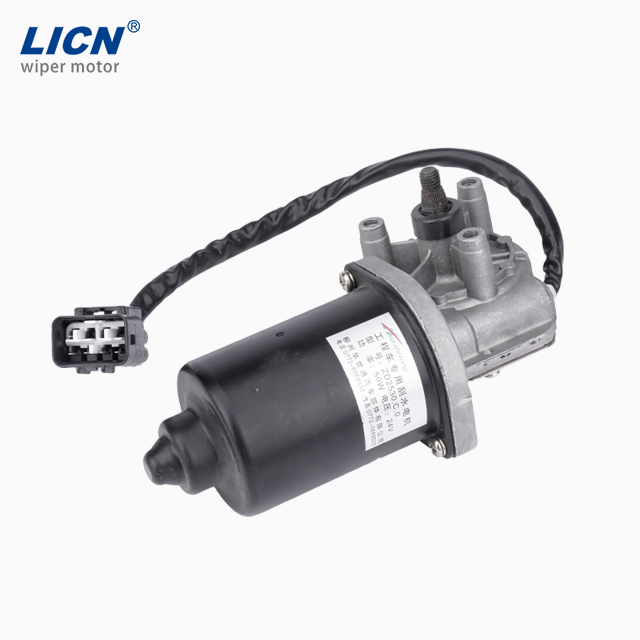
A wiper motor is a small electric motor that powers the windshield wipers on a vehicle. It converts electrical energy into mechanical rotation, enabling the wipers to sweep across the windshield. This action clears rain, snow, dirt, and debris, ensuring the driver has a clear view of the road. Typically, the motor is a direct current (DC) motor located under the hood, often mounted on the firewall or near the windshield base.
The wiper motor works as part of a system that includes the wiper arms, blades, linkages, and sometimes an electronic control module. When you turn on the wipers, the motor spins, moving the wiper arms back and forth across the glass. Without this motor, the wipers would not function, making it a crucial safety component.
Wiper motors come mainly in two types based on their internal magnetic components: permanent magnet motors and electromagnet motors.
Permanent Magnet Wiper Motors: These use magnets that have a constant magnetic field. They are often cylindrical and compact. Because the magnets don’t require electrical power to maintain their magnetic field, these motors are energy-efficient and reliable. Most modern vehicles use permanent magnet motors due to their simplicity and durability.
Electromagnet Wiper Motors: These motors generate magnetic fields by passing electrical current through coils. They tend to have a square or rectangular shape. Electromagnet motors can provide stronger magnetic fields but are more complex and may consume more power. They are less common in modern cars but can still be found in older or specialized vehicles.
Another way to classify wiper motors is by their speed control capability:
Single-Speed Wiper Motors: These motors operate at one constant speed. They have two brushes inside that conduct electricity to the armature. Single-speed motors are simpler and less expensive but offer limited functionality. They are usually found in basic or older vehicle models.
Variable-Speed Wiper Motors: These provide multiple speeds, allowing the wipers to operate slower or faster depending on conditions. They typically have three brushes, enabling different electrical connections to control speed. Variable-speed motors offer better adaptability, improving visibility in varying weather conditions. Many modern cars feature this type to enhance driver comfort and safety.
The wiper motor is the heart of your vehicle’s windshield wiper system. When you turn on your wipers, the motor receives electric power and starts spinning. This spinning motion drives a shaft connected to a series of gears called the transmission assembly. These gears reduce the motor’s speed but increase torque, allowing the wiper arms to sweep across your windshield with enough force to clear rain, snow, or dirt.
The motor’s shaft usually has a worm gear that meshes with a larger toothed wheel, creating a back-and-forth motion. This movement is transferred through linkages to the wiper arms, which then move the blades across the glass in a smooth, controlled manner. This gear reduction is crucial because it transforms the fast rotation of the motor into the slower, sweeping motion needed for the wipers.
Modern wiper motors often include an electronic control module. This module acts as the brain of the wiper system. It receives signals from the wiper switch inside the car and controls power delivery to the motor. The module manages different speeds, turning the motor on and off, and ensures the wipers stop in the correct resting position, known as the “park” position.
This park feature is important because it ensures the wiper blades rest neatly at the bottom of the windshield when not in use, preventing them from obstructing the driver's view or getting damaged. The control module also handles safety functions, such as preventing the wipers from operating if they are frozen to the glass, protecting the motor from damage.
Some vehicles come equipped with rain sensors that automate the wiper operation. These sensors detect moisture on the windshield and send signals to the electronic control module. When rain is detected, the module activates the wiper motor automatically, adjusting the wiper speed based on the intensity of the rain.
This integration improves driving safety and convenience by allowing the wipers to respond instantly to weather changes without driver input. The rain sensor usually works by measuring the reflection of infrared light on the windshield surface. When water disrupts this reflection, the sensor triggers the wipers.
Tip: For fleet vehicles, consider installing wiper motors with integrated electronic control modules and rain sensor compatibility to enhance driver safety and reduce manual adjustments during adverse weather.
The wiper motor mainly consists of a direct current (DC) motor housed in a steel casing. Inside, you’ll find several key parts working together to produce rotation. The permanent magnet or electromagnetic coils create a magnetic field that causes the motor to spin. The armature, a rotating part wrapped with copper wire, turns inside this field. Brushes conduct electricity to the armature, allowing current to flow and keep the motor running.
Typically, the motor uses three brushes. Two brushes power the motor, while the third controls different speeds by changing the electrical connection. The motor shaft runs through the center, supported by bearings to spin smoothly. Attached to the shaft is a worm gear, which plays a crucial role in the transmission assembly.
The transmission assembly connects directly to the motor shaft and converts the motor’s fast rotation into the slow, sweeping motion of the wiper arms. The worm gear on the motor shaft meshes with a larger plastic toothed wheel. This gear reduction multiplies torque while reducing speed, giving the wipers enough force to clear the windshield effectively.
Attached to the toothed wheel is another plastic gear with a conductive ring on its surface. This ring helps the electronic control module detect the wiper blades’ position, ensuring they stop correctly in the park position at the bottom of the windshield. The transmission assembly also includes pinion gears and linkages that transfer movement to the wiper arms.
The electronic control module is the brain of the wiper motor system. It contains circuits that manage power flow to the motor and control the wiper operation. This module receives signals from the wiper switch and rain sensors, if equipped, to adjust speed and timing.
One important function is controlling the "park" position. When the wipers turn off, the module ensures the blades return to their resting spot. It does this by monitoring the conductive ring on the transmission gear and cutting power at the right moment.
The module also protects the motor by preventing operation if the wipers are frozen or obstructed, reducing the risk of damage. If the electronic control module fails, the entire wiper system may malfunction, causing issues like erratic movement or failure to stop properly.
Wiper motors face both mechanical and electrical problems. Mechanical issues often involve worn or broken parts such as gears, linkages, or the wiper arm shafts. These parts can seize up, wear down, or break, causing the wipers to move slowly, erratically, or stop entirely. For example, a seized wiper arm shaft inside the linkage can cause the motor to overheat because it struggles to move the stuck parts.
Electrical problems include bad or loose connectors, blown fuses or relays, worn brushes inside the motor, or a faulty electronic control module. Loose connectors reduce power flow, causing the motor to stop randomly or not work at all. A blown fuse or relay cuts power completely, while worn brushes inside the motor reduce electrical contact, leading to slow or no movement.
Several signs indicate a failing wiper motor:
Wipers don't move when switched on, or they move intermittently.
Wipers move slower than usual.
Wipers fail to park correctly, stopping in the middle of the windshield instead of the bottom.
Grinding or clunking noises coming from the motor area.
Wipers only work on some speed settings or fail to change speeds.
Wipers stop working suddenly or behave erratically.
These symptoms may result from worn brushes, damaged gears, faulty wiring, or a failing control module. Mechanical wear often causes noise and irregular movement, while electrical faults lead to total or partial motor failure.
Diagnosing wiper motor problems starts by checking if the motor runs or makes noise when the wiper switch is on. If the motor runs but wipers don't move, the problem is likely mechanical, such as a broken linkage or seized shaft.
If the motor doesn't respond, check electrical components: fuses, relays, and connectors. Use a multimeter to test for voltage at the motor terminals. If voltage is present but the motor does not run, the motor or control module may be faulty.
Inspect the motor brushes for wear and replace them if needed. Check for debris or clogging inside the motor housing or transmission assembly, which can slow or stop movement. Lubricate moving parts to prevent seizing.
If unsure, consult a professional mechanic for detailed diagnosis. Regular maintenance can prevent many common issues.
When your wiper motor acts up, deciding between a DIY fix or professional help depends on your comfort level and tools. Simple issues like replacing blown fuses, tightening loose connectors, or cleaning debris around the motor can often be done at home. If you have basic mechanical skills and a multimeter, testing electrical components is possible too.
However, wiper motor repairs can get tricky. Problems inside the motor, such as worn brushes, damaged gears, or a faulty electronic control module, usually require disassembly and specialized tools. Also, the motor’s location under the hood can be hard to access, involving removal of covers or other parts.
For these reasons, many vehicle owners prefer professional service. Mechanics have the experience and equipment to diagnose and fix complex issues quickly. They can also ensure the motor is properly calibrated, especially the park function. Professional repairs may cost more but reduce the risk of further damage or improper installation.
Repair costs vary depending on the issue and vehicle type. Basic repairs like fuse replacement or cleaning connectors might cost under $50 if done professionally. Replacing worn brushes or small gears typically ranges from $60 to $150, including labor.
If the motor itself or the control module needs replacement, expect higher costs. New wiper motors generally cost between $60 and $300, depending on brand and vehicle compatibility. Labor charges for motor replacement often range from $50 to $100, bringing total costs to $110–$400.
Keep in mind that aftermarket motors can be less expensive than OEM parts but may differ in durability. Some repair shops offer warranties on parts and labor, which adds value.
Proper maintenance extends your wiper motor’s life and keeps your windshield clear. Here are some key tips:
Regular Inspection: Check wiper blades, arms, and linkage for wear or damage. Replace worn blades promptly to reduce motor strain.
Clean and Lubricate: Remove debris from motor housing and transmission gears. Apply suitable grease to moving parts to prevent seizing.
Avoid Overuse: Don’t run wipers on a dry windshield; this causes unnecessary wear. Also, avoid operating wipers when frozen to the glass to prevent motor overload.
Check Electrical Connections: Inspect wiring and connectors for corrosion or looseness. Clean and secure them to maintain proper power flow.
Park Wipers Correctly: Always switch off wipers before turning off the engine to ensure blades return to the park position.
Address Issues Early: If you notice slow movement, strange noises, or erratic operation, have the system checked promptly.
Following these steps helps prevent costly repairs and ensures safe driving visibility in all weather.
Wiper motors are designed to last many years, often matching the vehicle’s lifetime. However, actual lifespan depends on usage, weather, and maintenance. If you use your wipers daily or in harsh conditions, the motor may wear out in just a few years. Electrical issues like short circuits or worn brushes can shorten life too. Proper care, such as lubricating moving parts and avoiding running wipers on a dry or frozen windshield, helps extend motor life. Regular inspections catch problems early, preventing unexpected failures.
Yes, many wiper motor problems can be repaired, depending on damage type. Common repairs include replacing worn brushes, cleaning clogged parts, or fixing damaged gears. Sometimes, the armature can be rewound by a skilled technician. However, some issues, such as a faulty electronic control module or severe mechanical wear, may require full motor replacement. Repairing can save money but needs proper tools and knowledge. Many people opt to replace the motor for reliability and convenience.
Signs of a failing wiper motor include:
Wipers don’t move when switched on or stop randomly.
Wipers move slower than usual.
Wipers fail to park properly, stopping mid-windshield.
Grinding or clunking noises from the motor area.
Wipers only work on some speed settings or don’t change speeds.
Erratic or jerky wiper movement.
These symptoms often stem from worn brushes, damaged gears, electrical faults, or a failing control module. Early detection helps avoid safety risks and costly repairs.
Wiper motors are essential for vehicle safety, enabling windshield wipers to clear rain and debris. They come in permanent magnet and electromagnet types, with single or variable speed options. Proper maintenance, such as inspecting connectors and lubricating parts, extends their lifespan. Regular checks prevent costly repairs and ensure optimal performance. Licn offers reliable wiper motors with advanced features, enhancing driver safety and comfort in diverse weather conditions. Their products are designed for durability and efficiency, providing excellent value for fleet vehicles.
A: A wiper motor powers the windshield wipers, converting electrical energy into mechanical rotation to clear rain, snow, and debris from the windshield, ensuring driver visibility.
A: Signs of a failing wiper motor include slow movement, erratic operation, noise, or failure to park properly. These issues may be due to worn brushes, damaged gears, or electrical faults.
A: Yes, simple repairs like replacing fuses or cleaning connectors can be DIY. However, complex issues may require professional service for proper diagnosis and repair.


