
Views: 0 Author: Site Editor Publish Time: 2025-10-31 Origin: Site


Have you ever wondered what keeps your windshield wipers moving smoothly? The answer lies in the wiper linkage. This crucial component connects the wiper motor to the wiper arms, ensuring efficient operation. A malfunctioning wiper linkage can lead to visibility issues, compromising safety. In this post, you'll learn about the importance of maintaining your wiper linkage and how to replace it effectively.
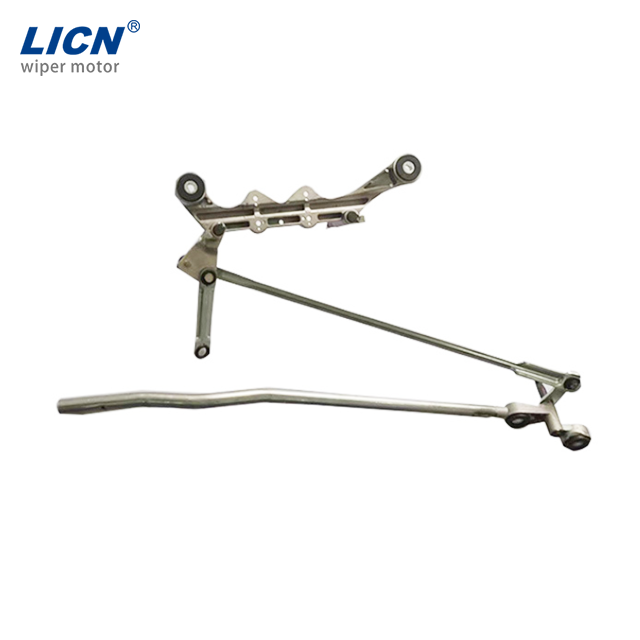
The wiper linkage is a mechanical system connecting the wiper motor to the wiper arms. It transfers the motor’s rotational force into the back-and-forth motion of the wiper blades. Key components include:
Linkage arms: Metal rods that connect the motor to each wiper arm.
Ball joints or bushings: Pivot points allowing smooth movement and flexibility.
Mounting brackets: Secure the linkage assembly to the vehicle body.
Connecting pins and clips: Hold the linkage parts together and allow articulation.
Each component works together to ensure synchronized, smooth wiping across the windshield.
Over time, the wiper linkage can develop problems due to wear and tear, exposure to weather, or mechanical stress. Common issues include:
Worn bushings or ball joints: These can cause looseness or play in the linkage, leading to erratic or incomplete wiper movement.
Corrosion or rust: Moisture can corrode metal parts, making movement stiff or causing parts to seize.
Broken or bent linkage arms: Physical damage can disrupt the motion or stop the wipers from moving.
Loose mounting bolts: This can cause misalignment or rattling noises during operation.
Such problems reduce wiping efficiency and may put extra strain on the wiper motor.
Knowing the signs helps you catch issues early. Watch for:
Wipers moving unevenly or out of sync: One blade may lag or stop while the other moves.
Unusual noises: Clunking, grinding, or squeaking sounds during wiper operation.
Wipers not moving despite motor running: The motor hums but blades stay still, indicating linkage disconnection.
Wipers stopping mid-sweep or not returning to the park position: This suggests worn or damaged linkage parts.
Visible play or looseness in wiper arms: When manually moved, the arms feel loose or wobbly.
If you notice any of these, inspect the linkage for wear or damage and consider replacement.
Tip: Regularly lubricate the wiper linkage joints and check mounting bolts to prevent common wear issues and prolong the linkage's lifespan.
Replacing a wiper linkage usually requires just a few basic tools. Here’s what you’ll need:
Socket set: Typically includes sockets of various sizes; 10mm and 12mm sockets are often needed.
Socket wrench or ratchet: For loosening and tightening bolts.
Flathead screwdriver: Useful for removing caps or clips covering nuts.
Needle-nose pliers: To handle small clips or pins.
Wiper arm puller (optional): Helps remove wiper arms without damage but isn’t always necessary.
Lubricant or grease: To lubricate moving parts during reassembly.
Having these tools ready makes the process smoother and faster.
For a successful replacement, gather the following materials:
New wiper linkage assembly: Make sure it matches your vehicle’s make and model.
Replacement clips and fasteners: Old clips often break during removal, so having extras is helpful.
Grease: Use waterproof grease designed for automotive use to lubricate joints and bushings.
Cleaning cloths: To wipe away dirt or rust before installing new parts.
Using quality parts and materials ensures longevity and reliable performance.
Safety is key during any vehicle repair. Keep these precautions in mind:
Disconnect the battery: Prevents accidental activation of the wiper motor while working.
Wear safety gloves: Protects your hands from sharp edges or debris.
Work in a well-lit area: Helps you see small parts clearly and avoid mistakes.
Secure the vehicle: Make sure the car is parked on a flat surface with the parking brake engaged.
Handle tools properly: Use the right tool for each task to avoid slips or damage.
Following these precautions reduces risks and helps you complete the job efficiently.
Start by opening the car’s bonnet. You’ll see the wiper arms attached to the vehicle’s body. Each arm is usually held by two nuts covered by small caps. Remove these caps, then unscrew the nuts to free the wiper arms from the linkage. Next, remove any trim or panels covering the linkage assembly—these are often called scuttle panels. Once exposed, you can see the wiper linkage clearly connected between the wiper motor and the arms.
Using a socket wrench with the appropriate socket size (often 10mm or 12mm), remove the bolts securing the wiper linkage to the vehicle’s body. After loosening these bolts, gently pull the linkage away. Take a moment to compare the old linkage to the new one to confirm they match in size and shape. This step helps prevent installing a wrong or incompatible part.
Place the new linkage where the old one was removed. Use the bolts from step 2 to secure it firmly to the vehicle’s body. Reattach any trims or panels you removed earlier to cover the linkage. Then, carefully reattach the wiper arms using the nuts removed in step 1. When refitting the arms, ensure they align correctly and lock into similar positions. Proper alignment prevents the wipers from colliding or moving unevenly. Tighten all nuts and bolts firmly but avoid over-tightening, which could damage the parts.
Turn on the car’s electrical system and activate the wipers. Watch the full range of motion to ensure smooth operation. Check that the wiper blades clear the windshield properly without skipping or stalling. Also, confirm the wiper arms do not hit each other during movement. If you hear unusual noises or see irregular motion, recheck the alignment and fasteners. Proper testing ensures your replacement was successful and your windshield stays clear in bad weather.
One of the most common hurdles when replacing wiper linkage is stubborn bolts. These bolts may be rusted or tightly fastened due to years of exposure to weather and vibration. To loosen them:
Apply penetrating oil and let it sit for 10-15 minutes.
Use a socket wrench with the correct size socket to avoid stripping.
Apply steady, even pressure rather than sudden force.
If bolts remain stuck, try gently tapping the wrench handle with a rubber mallet to break corrosion.
Avoid using excessive force that could damage the bolt head or surrounding parts.
Taking time to properly loosen bolts prevents damage and makes reinstallation easier.
Proper alignment of the new wiper linkage is crucial for smooth operation and avoiding damage. Misalignment can cause wipers to collide or move unevenly. Keep these tips in mind:
When reinstalling, position the wiper arms in their "parked" position before tightening nuts.
Confirm that the linkage arms move symmetrically and do not bind.
Double-check that mounting bolts are tightened evenly to hold the linkage flat and secure.
After installation, run the wipers through a full cycle and observe their motion.
If the wipers skip, stall, or collide, loosen bolts slightly and adjust the linkage position.
Taking time to align linkage correctly improves wiping performance and extends part life.
After replacing the wiper linkage, you might hear new noises such as clunking, squeaking, or grinding. These often indicate issues that need quick attention:
Clunking: Could mean loose bolts or misaligned linkage parts. Check all fasteners and adjust alignment.
Squeaking: Usually caused by dry or insufficient lubrication at pivot points. Apply waterproof grease to joints.
Grinding: May signal damaged bushings or metal-on-metal contact. Inspect linkage for worn parts and replace if needed.
Regular lubrication and careful assembly prevent most noise problems. If noises persist, re-inspect installation and consider consulting a professional.
When planning to replace a wiper linkage, knowing the costs involved helps you budget properly. The price of a new wiper linkage assembly varies widely depending on your vehicle’s make, model, and part quality. On average:
OEM (Original Equipment Manufacturer) parts: These usually cost between $100 and $300. They guarantee perfect fit and durability but come at a premium.
Aftermarket parts: These can be found for $50 to $150. Quality varies, so research is key to avoid frequent replacements.
Tools: If you already own common tools like socket sets and screwdrivers, no extra cost applies. Otherwise, expect to spend around $20 to $50 on basic tools needed for the job.
Additional small parts such as clips, fasteners, or grease may add $10 to $20 to the total cost.
Choosing between DIY replacement and professional service impacts your total expense and time investment:
DIY Replacement: Doing it yourself primarily costs the parts and any tools you need. Labor is your time, which may take 1 to 3 hours depending on your experience. This option saves money but requires confidence and mechanical skill.
Professional Replacement: Mechanics typically charge $75 to $150 per hour for labor. Including parts, a professional job can cost $200 to $400 or more. The benefit is a guaranteed, hassle-free installation and warranty coverage.
If you lack tools or experience, professional help reduces risks of improper installation that could lead to further damage or safety issues.
Investing in a quality wiper linkage replacement offers several lasting advantages:
Improved safety: Reliable wipers ensure clear visibility during rain or snow, reducing accident risk.
Prevent motor damage: A worn linkage strains the wiper motor, potentially causing costly motor failure.
Enhanced comfort: Smooth, quiet wiper operation improves driving experience.
Cost savings: Timely replacement avoids more expensive repairs later and extends the life of wiper components.
Choosing durable parts and performing regular maintenance maximizes these benefits, making the initial cost worthwhile.
Keep your wiper linkage in good shape by inspecting it regularly. Look for signs of rust, dirt buildup, or loose bolts. Dirt and debris can clog the pivot points, making the linkage stiff or noisy. Use a clean cloth to wipe away grime and dust from the linkage arms and joints. Check that all bolts and clips hold tight. Catching small problems early prevents bigger damage later.
When replacing or servicing the linkage, always use high-quality parts. Cheap components wear out faster and can cause more frequent repairs. Apply waterproof grease to all pivot points, ball joints, and bushings. This reduces friction and prevents corrosion. Avoid using general-purpose oils, which may wash away or attract dirt. Proper lubrication keeps the linkage moving smoothly and quietly.
Seasonal changes affect your wiper linkage. In winter, ice and snow can freeze joints or cause extra strain. In summer, heat and UV rays may dry out lubricants and crack plastic parts. Before each season, perform a quick check:
Remove any ice or snow buildup in cold months.
Clean and re-grease joints before winter and summer.
Tighten any loose bolts or fasteners.
Replace worn or damaged clips and bushings.
This routine helps the linkage handle weather challenges and extends its service life.
Replacing a wiper linkage involves locating, disconnecting, and installing new components using basic tools. DIY replacement saves costs but requires mechanical skill. Regular maintenance ensures optimal performance and longevity. Licn offers high-quality wiper linkage parts that enhance safety, comfort, and reliability. Regular vehicle maintenance, including seasonal checks, prolongs wiper linkage life and prevents costly repairs. Embrace DIY repairs for cost savings and improved vehicle performance.
A: A Wiper Linkage is a mechanical system that connects the wiper motor to the wiper arms, facilitating the motion of wiper blades across the windshield.
A: Signs of a failing Wiper Linkage include uneven wiper movement, unusual noises, or wipers not moving despite the motor running.
A: Replacing a Wiper Linkage can cost between $50 and $300 for parts, with additional costs if professional labor is required.
A: Replacing a worn Wiper Linkage ensures better visibility, prevents motor damage, and enhances driving comfort.
A: Yes, with basic tools and mechanical skills, you can replace the Wiper Linkage yourself, saving on labor costs.


