
Views: 0 Author: Site Editor Publish Time: 2025-12-11 Origin: Site


Is your wiper motor failing you on a rainy day? A faulty wiper motor can reduce your visibility and compromise safety. If you’re experiencing inconsistent wiping or strange noises, your motor might be the culprit.
In this post, we’ll discuss how to diagnose a faulty wiper motor and guide you through the replacement process. You’ll also learn common mistakes to avoid and tips for maintaining your new motor for long-lasting performance.
When your wiper motor starts to malfunction, it can be more than just an inconvenience. A faulty wiper motor can reduce your visibility, making it dangerous to drive in rainy or snowy conditions. So, how do you know if your wiper motor is the problem? Let’s look at some common signs and methods to test the motor.
There are a few key symptoms to watch for that can indicate a wiper motor is failing:
● Unresponsive Wipers: If the wipers fail to start or stop in the middle of their sweep, it's a clear sign that something's wrong.
● Inconsistent Speed: If the wipers are moving too slowly or erratically, the motor may not be operating properly.
● Strange Noises: Grinding, buzzing, or squeaking noises can suggest mechanical failure in the motor or its linkage.
● Failure to Park Properly: When you turn off the wipers, they should return to a parked position. If they don’t, the motor may be failing to properly control the wiper arms.
Before replacing the motor, you’ll need to confirm that it’s the source of the problem. Here are a few steps you can follow to test it:
Using a multimeter is one of the easiest ways to check if the motor itself is faulty. Here’s how:
1. Disconnect the motor’s power supply to avoid any risk of shock.
2. Set your multimeter to DC voltage.
3. Test the voltage at the motor’s electrical connector.
4. If the multimeter shows voltage but the motor doesn't work, the motor is likely the issue.
5. If there’s no voltage reading, the problem might lie elsewhere in the wiring or fuse.
A blown fuse or damaged wiring is another common issue. If your multimeter test shows no voltage, you’ll want to:
1. Check the fuse associated with the wiper motor. If it’s blown, replace it and test the motor again.
2. Inspect the wiring for any visible damage or loose connections.
3. If the wiring seems fine, you may need to check the relay or switch that controls the motor.
Symptom | Possible Cause |
Wipers are unresponsive | Faulty motor, blown fuse, wiring issues |
Wipers run too slowly | Worn-out motor, bad connections |
Strange noises during use | Motor failure, debris in mechanism |
Wipers don’t park correctly | Faulty motor, linkage issue |
Tip: By checking these signs and testing the motor, you’ll have a better idea of whether the motor needs replacing or if there’s another issue that needs attention.
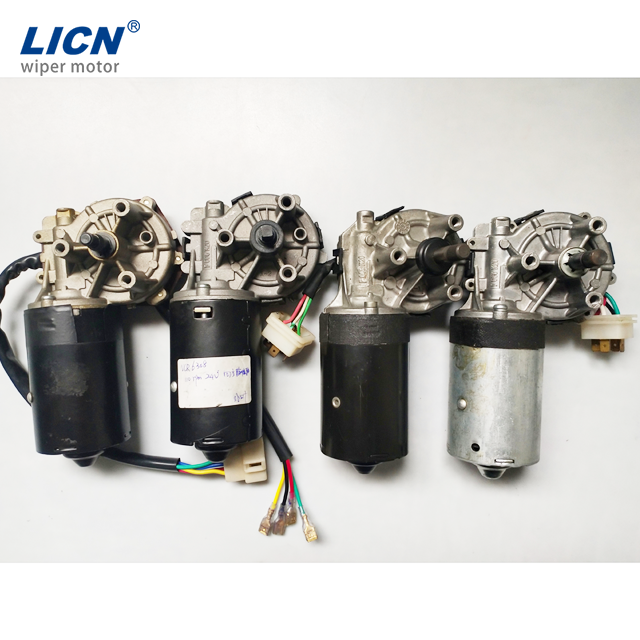
When it's time to replace your faulty wiper motor, picking the right replacement can make all the difference. A properly selected motor will fit seamlessly into your vehicle and ensure long-lasting performance. There are a few key factors to consider when choosing the correct motor, as well as the debate between original equipment manufacturer (OEM) and aftermarket options.
Choosing the right wiper motor starts with matching the motor's specifications to your vehicle’s requirements. Here's what to keep in mind:
● Voltage: Most vehicles use either 12V or 24V motors, depending on the model. Passenger cars typically use 12V motors, while trucks or heavy equipment may use 24V motors. Be sure to check the voltage of your vehicle’s existing motor to avoid mismatches.
● Mounting Dimensions: Wiper motors come in different sizes, and it's crucial to match the mounting dimensions. Check the distance between bolt holes and the size of the motor mount. For example, a 70mm mount may be standard for many models, but your vehicle may require a different size.
● Shaft Size: The shaft size must also match. If the motor shaft is too large or too small for the wiper arm, it won't connect properly. Common sizes are typically 12.8mm or 13.2mm, but verify this against your vehicle’s specifications.
When it comes to replacing your wiper motor, you’ll have two main choices: OEM or aftermarket. Both options come with their pros and cons, so let's take a closer look at each.
OEM motors are made by the original manufacturer of your vehicle. These are often the exact same motors used in the factory installation, ensuring perfect fit and performance.
● Quality: OEM parts are generally the highest quality, made to meet the vehicle manufacturer’s standards. They are designed specifically for your vehicle, ensuring seamless integration.
● Durability: Since OEM motors are tested for long-term use in your specific make and model, they tend to last longer than aftermarket options.
● Cost: OEM parts are typically more expensive, due to the brand and quality assurance. However, they come with a warranty that guarantees their reliability.
Aftermarket motors are made by third-party manufacturers. While they are not original parts, they are often designed to meet the vehicle’s specifications.
● Quality: Aftermarket motors can vary in quality, depending on the manufacturer. Some can be just as good as OEM parts, while others may be made from cheaper materials.
● Durability: The lifespan of an aftermarket motor can vary. While some are reliable, others may wear out faster, especially if the quality is lower than OEM parts.
● Cost: Aftermarket motors are usually more affordable, making them a popular choice for budget-conscious consumers. They can offer a significant cost saving compared to OEM options.
Factor | OEM Wiper Motor | Aftermarket Wiper Motor |
Quality | High, manufacturer-approved | Can vary, depends on brand |
Durability | Longer lifespan | Varies, may wear out faster |
Cost | Higher | More affordable |
Fit and Compatibility | Perfect fit for your vehicle | May require additional adjustments |
Warranty | Typically comes with warranty | Varies by manufacturer |
Before diving into the replacement of your faulty wiper motor, proper preparation is key. Gathering the right tools, ensuring you have the proper safety gear, and setting up your workspace can make the job easier and safer. Here’s what you need to get started.
Having the right tools on hand is essential for completing the job efficiently. Here’s a list of tools you’ll need:
● Screwdrivers: A set of flathead and Phillips screwdrivers will be necessary for removing screws and panels.
● Socket Wrenches: These are crucial for loosening bolts that secure the wiper motor in place.
● Pliers: Use pliers for removing clips or pins that may be holding parts together.
● Multimeter: This tool is essential for testing the motor’s electrical connections to confirm if the motor is faulty.
● Wrench Set: A range of wrenches is helpful to adjust bolts of various sizes.
Safety should always come first. Make sure you have these items to protect yourself while working:
● Gloves: Work gloves will protect your hands from sharp edges and debris, making the process safer and more comfortable.
● Safety Glasses: To prevent any debris or parts from injuring your eyes, wear safety glasses throughout the process.
● Towel: Having a towel on hand is useful for covering the windshield to prevent scratches while you work on the motor.
A well-organized workspace is essential for a smooth replacement process. Here's how to set up your area:
● Clear the Area: Ensure you have enough space around the vehicle to move freely. Clear away any clutter that might get in the way or cause accidents.
● Position the Vehicle: Place the car on a flat surface, ideally in a well-lit area. Make sure the vehicle is parked securely, and the handbrake is engaged.
● Gather All Tools: Lay out your tools within easy reach. This way, you won’t waste time looking for something while in the middle of the replacement process.
● Cover the Windshield: Use a towel or cloth to protect the windshield from any tools or parts that might fall during the process.
Tool/Equipment | Purpose |
Screwdrivers | Removing screws and panels |
Socket Wrenches | Loosening bolts securing the motor |
Pliers | Removing clips and pins |
Multimeter | Testing electrical connections |
Wrench Set | Adjusting bolts of various sizes |
Work Gloves | Protecting hands from sharp edges |
Safety Glasses | Shielding eyes from debris |
Towel | Protecting the windshield from damage |
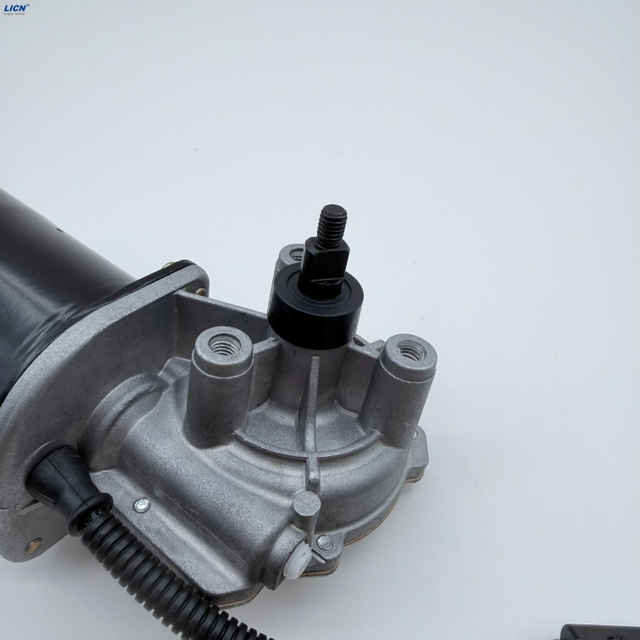
Replacing a faulty wiper motor can seem daunting, but with the right approach, you can handle it. Follow these simple steps to get your wipers working like new again.
The first step is to make sure the vehicle is powered off and there’s no risk of an electrical shock.
● Disconnect the Battery: Start by turning off the vehicle and disconnecting the negative terminal of the battery. This prevents any electrical issues while you’re working on the motor.
● Remove the Wiper Blades: Lift the wiper arms away from the windshield. Use a flathead screwdriver to press the release tab on the wiper blade and carefully slide it off the arm. Set the blades aside for later reinstallation.
Now, you need to expose the faulty wiper motor. This typically requires removing some panels.
● Remove the Cowl Panel: The cowl panel is the plastic cover beneath the windshield. Use a screwdriver or socket wrench to unscrew the clips or bolts securing it. Once removed, set the panel aside.
● Locate the Wiper Motor: With the cowl panel off, you should now be able to see the motor. It’s usually located near the center of the windshield under the cowl.
Now that you have access to the motor, it’s time to remove the old one.
● Unscrew the Bolts: Use a socket wrench to unscrew the bolts securing the motor to the vehicle. Most models will have three or four bolts holding it in place.
● Disconnect the Motor from the Linkage: The motor is connected to the wiper linkage. You’ll likely need to remove a clip or pin that holds the motor to the linkage. It’s helpful to take a photo of the linkage position to ensure proper reinstallation later.
It’s time to install your new motor. Follow these steps carefully for a smooth installation.
● Align the New Motor: Carefully align the new motor with the wiper linkage. Make sure the motor’s mounting holes line up with the vehicle’s frame.
● Connect the Electrical Components: Plug in the electrical connector to the new motor. Ensure it’s securely connected, so there are no issues when you test the motor.
Once the new motor is installed, you’ll need to reassemble everything and test the motor to make sure it works correctly.
● Reinstall the Cowl Panel and Wiper Blades: Reverse the steps to reinstall the cowl panel. Make sure it’s tightly secured, and then attach the wiper arms and blades.
● Test the Wiper Motor: Reconnect the battery and turn on the vehicle. Test the wipers at all speed settings to ensure they work properly and that the motor parks the blades correctly.
After you’ve installed your new wiper motor, it’s time to test it. If the wipers aren’t functioning as they should, don’t panic! There are a few common issues that could be the cause, and troubleshooting them is often simple. Let’s dive into what to do if the wipers aren’t working properly and how to ensure your new motor lasts as long as possible.
If your new wiper motor is installed but the wipers aren’t working right, there are a few things to check. Here are some troubleshooting tips to guide you:
● Check Wiring Connections: Loose or faulty wiring is one of the most common causes of wiper motor issues. Double-check the electrical connections to ensure they’re secure. If any wires are loose, reconnect them carefully.
● Inspect the Linkage Alignment: If the wipers are not moving smoothly or are only moving in part of their range, the linkage may not be aligned correctly. Check the wiper linkage to make sure it’s attached properly and moving freely. Misalignment can cause the motor to work harder than necessary, leading to premature wear.
● Verify Motor Positioning: Sometimes the motor may be mounted incorrectly or too loosely. This can affect the way it drives the wipers. Check the motor’s position and mounting bolts to ensure it’s securely fixed in place. If the motor is loose, tighten the bolts and test again.
To get the most out of your new wiper motor, it's important to take good care of it. Here are a few tips to help extend its lifespan:
● Lubricate Moving Parts: Just like any mechanical system, your wiper motor benefits from regular lubrication. Apply silicone grease to the moving parts, including the wiper linkage, to reduce friction and prevent wear. This keeps everything running smoothly and prevents the motor from straining.
● Keep the Windshield Clean: Dirt, debris, and road grime can put extra stress on your wiper motor. Make sure to regularly clean your windshield to avoid unnecessary buildup that could interfere with the motor’s performance.
● Monitor for Unusual Sounds: Listen for any grinding, squeaking, or buzzing noises when using the wipers. These noises could indicate that the motor is under stress or there is a mechanical issue. If you hear anything unusual, stop using the wipers and check the motor.
Replacing a faulty wiper motor is crucial for ensuring safety and smooth operation. Prompt replacement and following the steps carefully can restore proper functionality. Regular maintenance of the motor will help avoid future issues. For high-quality, reliable wiper motors, products from LICN offer long-lasting performance, providing value with their durability and precision.
A: A wiper motor is an electric motor responsible for powering the windshield wipers, allowing them to move and clear rain or debris from the windshield.
A: If your wipers are unresponsive, moving erratically, or making strange noises, your wiper motor may be faulty. Check the wiring and connections for issues.
A: Yes, replacing a wiper motor is manageable with the right tools and instructions. Follow the step-by-step process to ensure proper installation.
A: A reliable wiper motor ensures smooth operation and longevity. Choosing high-quality brands, like LICN, guarantees better performance and durability.


